
Ford Probe Airbag Control Unit Repair(1)
1 product
What should I consider with Ford Probe airbag control units?
The airbag technology used in the Ford Probe varied depending on the model year. Airbag control units for all Ford Probe generations can be professionally repaired and tested with original functionality.
The Ford Probe, a sporty coupe, was produced in two main generations from 1988 to 1997. Originally designed as the successor to the Ford EXP and as a front-wheel drive sports coupe, it occupied a niche in the sporty compact segment.
The later second generation (MK2) of the Ford Probe, produced from 1992 to 1997, was often equipped with airbags. The airbag control units (SRS RCM) are safety-relevant components that are essential for the proper functioning of the airbag system.
As vehicles age, these control units can develop defects, such as storing crash data even after minor incidents, which triggers the airbag warning light. Repairing such defective control units is a cost-effective alternative to replacement and restores vehicle safety.
Which Ford Probe generations are there?
The Ford Probe was produced in two generations, each using different airbag control units. The development of the safety system reflects technological advances from 1988 to 1997.
The first generation of the Ford Probe (MK1) was built from summer 1988 to fall 1992. It was based on the Mazda GD platform and was produced in Michigan, USA. Although it was not officially sold in Germany, it was imported and converted for the German market starting in 1990.
A comprehensive redesign followed in the fall of 1992, resulting in the second generation (MK2), which was produced until the fall of 1997. This MK2 version was based on the Mazda GE platform and was also produced in the USA. Airbags became significantly more common in this generation, especially from around 1994 onwards.
Each of these generations, MK1 and MK2, may have different specifications and therefore different airbag control unit models. This is an important factor when repairing or replacing a vehicle to ensure compatibility and correct operation.
How do I identify my Ford Probe airbag control unit?
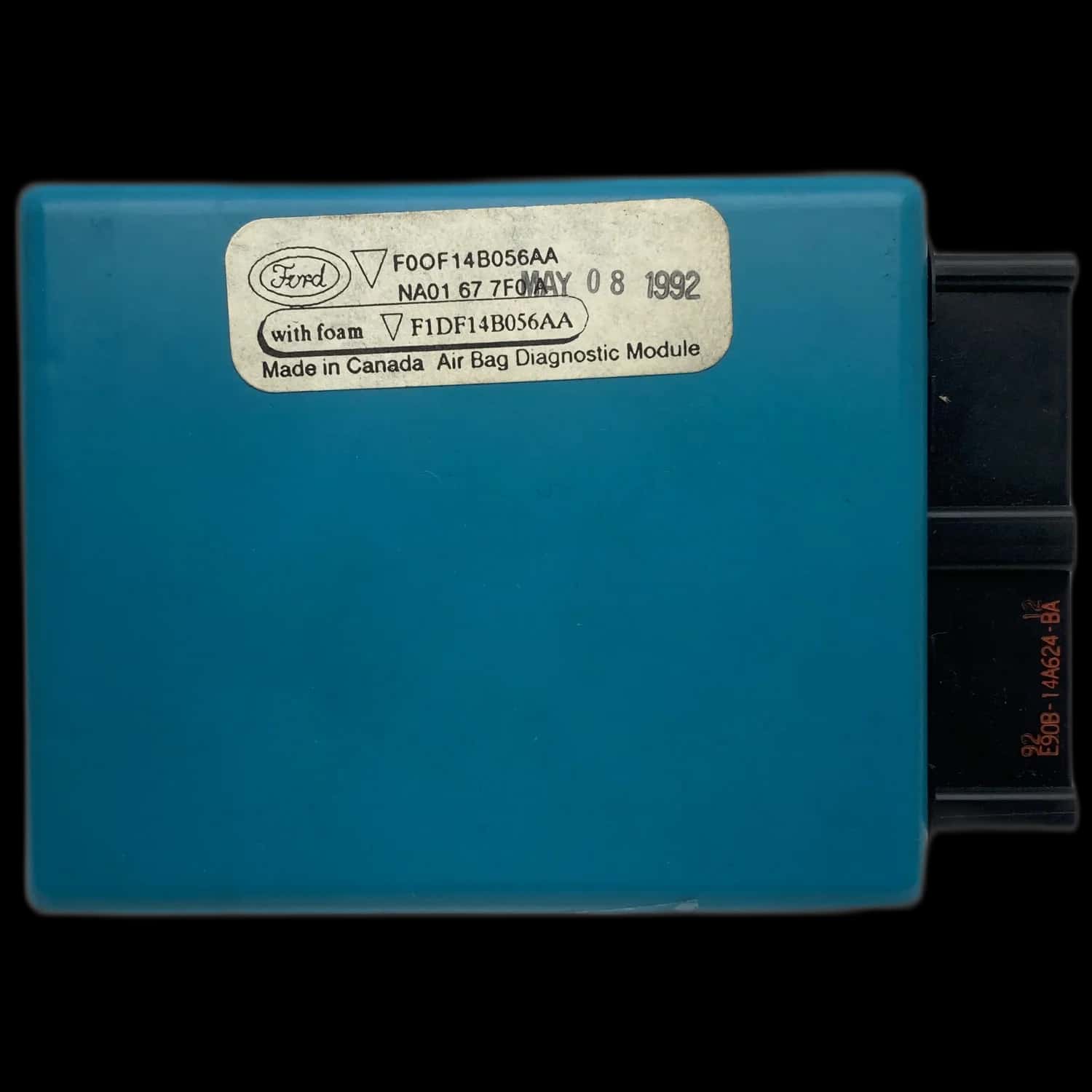
Ford Probe airbag control units can be uniquely identified by part number, year of manufacture, and vehicle identification number. Each generation uses specific control unit variants for optimal compatibility with the respective airbag system.
Accurately identifying the airbag control unit is crucial for a successful repair or replacement. The control unit's part number is the most important piece of information and is usually found directly on the module's housing. An example OE number for Ford Probe airbag control units is F2AF-14B056-AD, but other variations exist.
In addition to the part number, the year of manufacture of your Ford Probe and the exact generation (MK1 or MK2) play a role in determining the correct module. The Vehicle Identification Number (VIN) can also be used to verify the correct airbag control unit specification.
The control unit is usually installed inside the vehicle, often under the center console or the carpet near the driver's or passenger seat. Extreme caution is required when working on this safety-critical component, and the vehicle's battery should always be disconnected.
What airbag equipment does the Ford Probe have?
The airbag equipment of the Ford Probe varied depending on the model year and trim level. While early models used basic airbag systems, newer generations featured enhanced safety packages with additional airbag modules.
In the Ford Probe MK1, airbags were a rare option, if any at all. With the transition to the second generation (MK2), and especially from the 1994 model year onward, airbag availability became significantly more widespread. Driver and passenger airbags were typically the most common features, often coupled with crash sensors in the front of the vehicle.
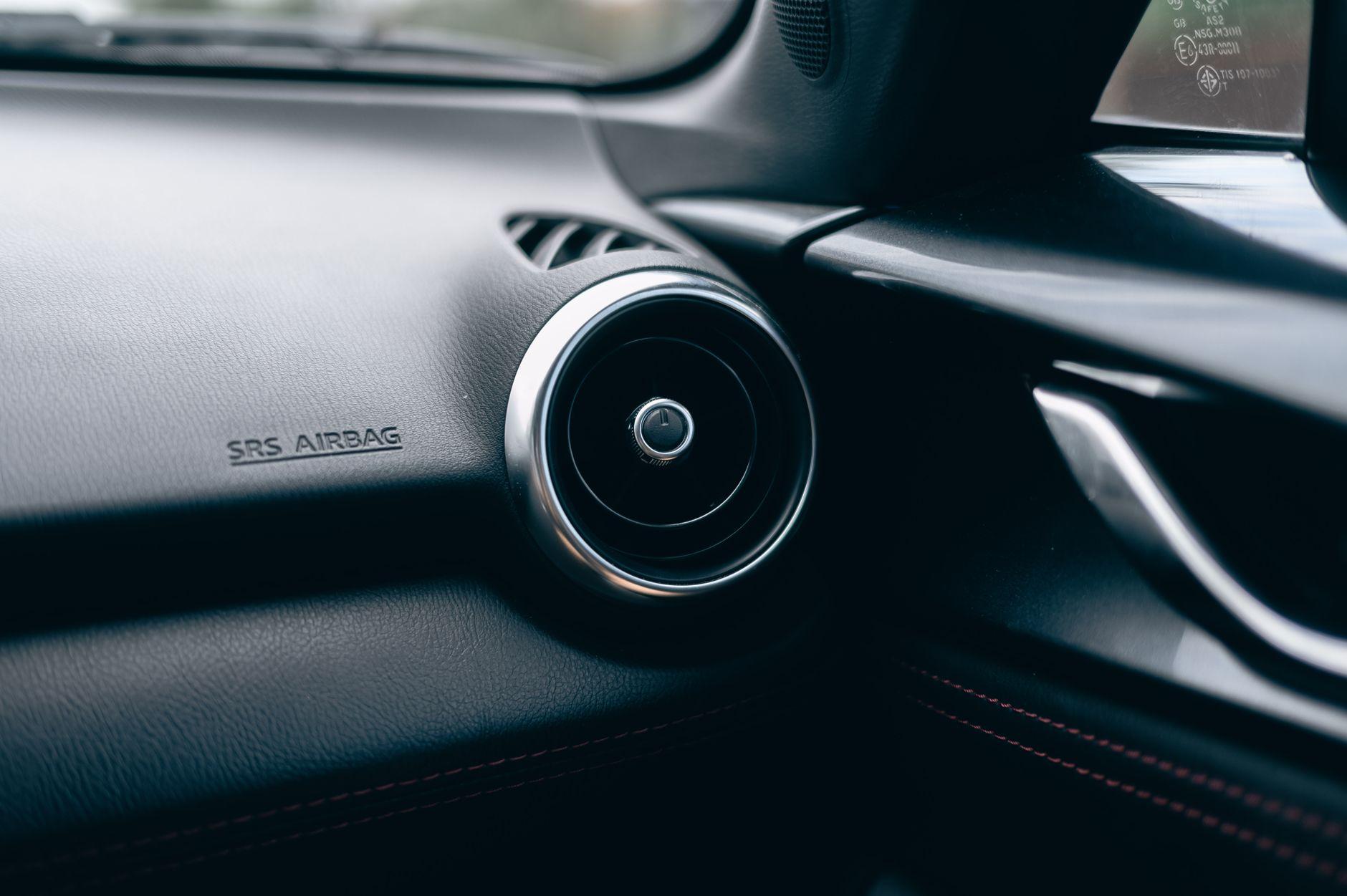
These airbag systems, controlled by the airbag control module (SRS RCM), are designed to ensure occupant safety in the event of a collision. Malfunctions such as a constantly illuminated airbag warning light often indicate stored crash data or other defects in the control module that require inspection and repair.
Ford Probe airbag control unit repair services can reset these modules and restore them to factory settings, allowing them to function as a plug-and-play solution after installation. This fixes common issues like blocked error logs and restores full airbag system functionality, which is essential for vehicle inspections and general road safety.
Shipping & repair from Germany
Airbag24 repairs your component in Berlin — usually within 3–4 working days.
Standard shipping within Germany is free; we normally return your part by UPS.
You pay for and insure the inbound shipment to us. On explicit request we ship by express — the extra cost is borne by the customer.
If you withdraw from the contract, you bear the cost of returning the item.