
German specialistFree standard shippingFast delivery20,000+ repairs · 10,000+ reviews
 Quality since 2002
How can we help?+49 30 75 65 56 71
Quality since 2002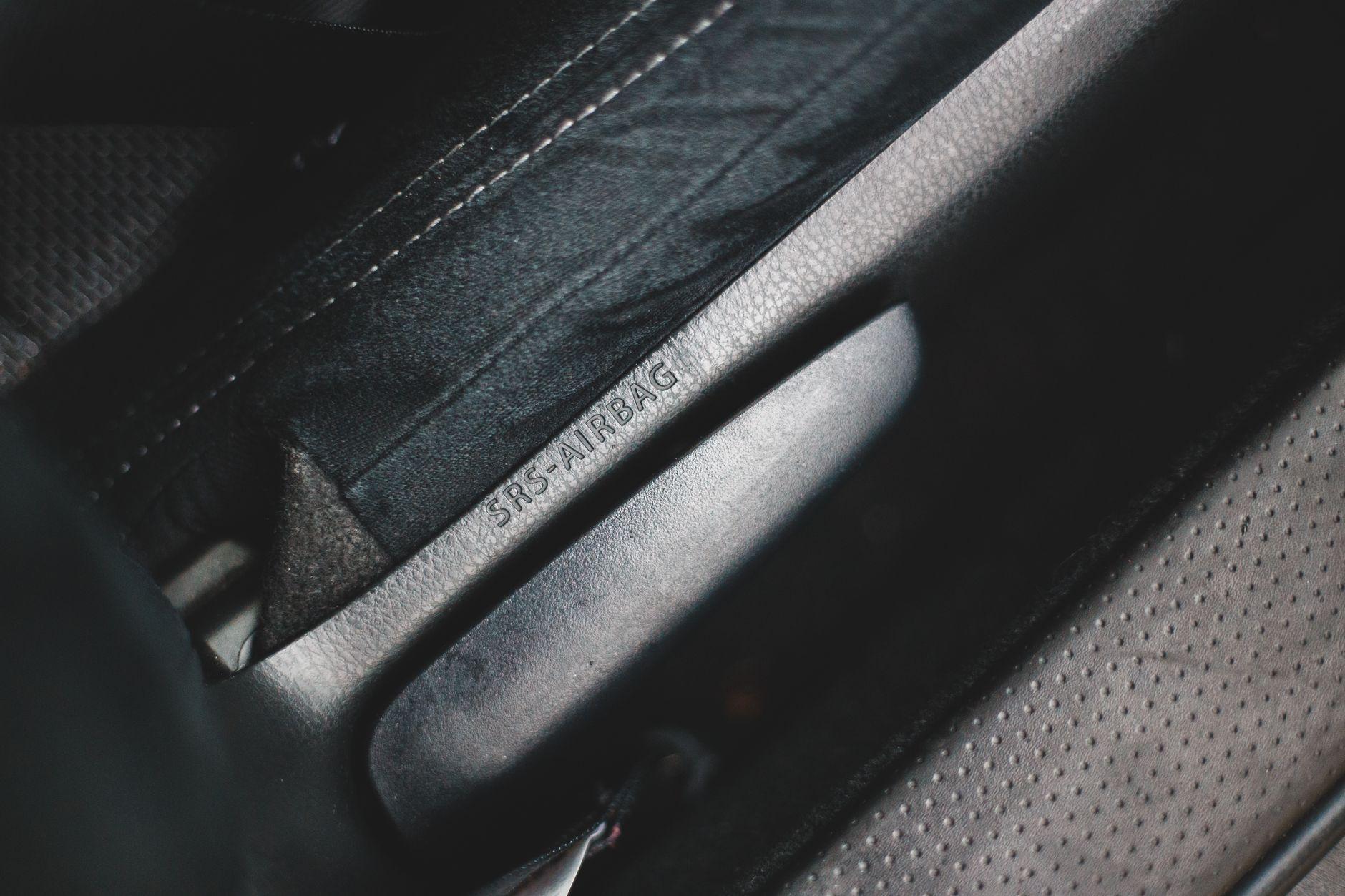
The airbag technology used in the Hyundai Creta varies depending on the model year and generation. Professional repair of airbag control units in all Hyundai Creta generations always ensures true-to-original functionality and maximum safety.
The Hyundai Creta is a hugely popular subcompact crossover SUV primarily aimed at young families and urban-mobile buyers. Since its market launch in 2015, it has established itself as an affordable and reliable vehicle, particularly in emerging markets such as India, Brazil, and Russia.
Over the course of its production history, the Creta has been manufactured in two distinct main generations: the first generation GS (2015-2020) and the second generation SU2 (from 2020). With each of these model series, the passive safety systems, and thus the airbag control units, were further developed and adapted to the specific requirements of the respective vehicle architecture.
A faulty airbag control unit can cause a range of problems, from persistent warning lights to the deactivation of the entire airbag system. This not only significantly impairs road safety but can also cause the vehicle to fail a vehicle inspection.
Given the importance of the airbag system for occupant safety, a professional and precise repair is essential. This restores the system's full functionality and is often a sustainable and cost-effective alternative to the expensive purchase of a new control unit. Our repair expertise covers the specific requirements of the Creta GS series as well as those of the newer Creta SU2 series.
The Hyundai Creta has been produced in two distinct main generations, each using specific airbag control unit variants. The evolution of its safety systems reflects the significant technological advances from 2015 to the current model range.
The first generation of the Hyundai Creta, internally known as the GS or GC, was introduced in 2014 and sold in major markets such as India from 2015. This series was in production until around 2020 and received a facelift in 2018, which primarily brought exterior changes and some minor improvements.
The second generation, known as the Hyundai Creta SU2, was introduced in 2020. This model series marks a significant technological leap forward, as it is based on a completely new platform. It features a completely redesigned, modern design and an innovative and more spacious interior.
Each of these generations of the Hyundai Creta is equipped with specific electronic architectures and, therefore, with different airbag control units. These are precisely tailored to the respective vehicle equipment, the number of installed airbags, and the integrated active safety systems.
The continuous development of the Creta models has not only improved the driving experience but also the passive and active safety systems. This means that when repairing the airbag control unit, the exact year and specific generation of the Hyundai Creta are essential to ensure correct functionality and avoid future compatibility issues.
These generation-specific differences require a deep understanding of the respective systems in order to be able to carry out an effective and permanent repair of the defective airbag control unit on the Hyundai Creta.
Hyundai Creta airbag control units can be precisely identified by their unique part number, the exact vehicle model year, and the vehicle identification number (VIN). Each generation of the Creta uses specific control unit variants to ensure optimal integration and functionality.
The airbag control unit part number is the most important indicator of the exact model and its compatibility with the Hyundai Creta. This alphanumeric identifier is usually found directly on the control unit housing itself or on a sticker affixed there.
In addition to the part number, the specific model year of your Hyundai Creta and the complete vehicle identification number (VIN) are crucial. This data allows for precise identification of the specific model series and trim level, as Hyundai may have used different suppliers and software versions for the airbag control units during production.
Since the internal components, software architecture, and communication protocols of the control units differ significantly between the first generation (GS) and the second generation (SU2) of the Creta, precise identification is essential. This is the only way to ensure that the control unit repair or replacement optimally matches the vehicle's electronics and prevents future malfunctions.
In some cases, the exact number of airbags installed and the presence of advanced active safety systems (such as Hyundai SmartSense in the SU2 generation) can provide additional clues to the specific control unit variant, although the part number always remains the most reliable way to identify it.
Before any repair, it is therefore advisable to carefully note down this information to speed up the process and increase the accuracy of the diagnosis.
The airbag configuration of the Hyundai Creta varies slightly depending on the model year and specific trim level, but offers a high level of passive safety across all generations. While early models use solid base airbag systems, newer generations feature enhanced safety packages with additional airbag modules and active assistance systems.
The Hyundai Creta is factory-equipped with a comprehensive range of airbags, which contribute significantly to the safety of all occupants. Even the first generation (GS) set high safety standards, which have been continuously improved.
Most Hyundai Creta models come standard with six airbags. These include the essential driver and front passenger airbags for protection in frontal collisions. These are complemented by side airbags that protect the upper body in the event of a side impact, as well as full-length curtain airbags that provide comprehensive head and neck protection in the event of a side impact or rollover.
This comprehensive six-airbag system has become standard, particularly in the second-generation Hyundai Creta (SU2, from 2020), to meet increasing vehicle safety requirements. The SU2 models also benefit from advanced active safety systems collectively known as "Hyundai SmartSense."
This "SmartSense" suite includes a range of driver assistance systems, such as forward collision warning, lane departure warning, and other functions designed to proactively minimize the risk of accidents. Although these systems aren't directly linked to the airbags, they indirectly contribute to overall safety and often communicate with other vehicle modules via the central control unit.
Regardless of the specific trim level and exact model year of your Hyundai Creta, it is of utmost importance that a defective airbag control unit is repaired promptly. Only a fully functional system can ensure the life-saving protection of the airbags in an emergency and ensure the safety of the driver and passengers.
Since the Hyundai Creta is designed as a reliable SUV for young families and city dwellers, the comprehensive safety features underline its attractiveness and the need to maintain its full functionality through professional repairs.
