German specialistFree standard shippingFast delivery20,000+ repairs · 10,000+ reviews
 Quality since 2002
How can we help?+49 30 75 65 56 71
Quality since 2002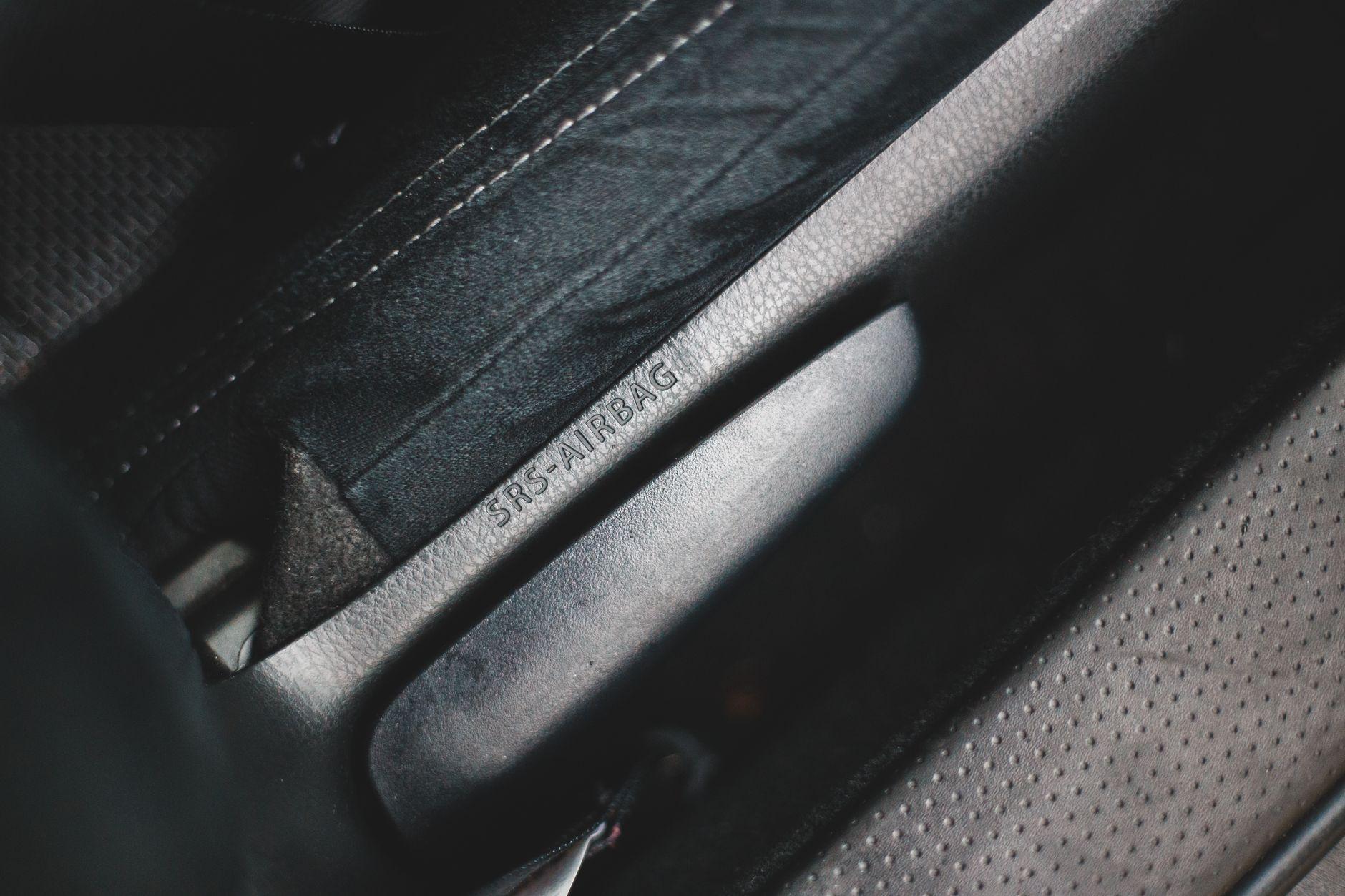
The airbag technology used in the Hyundai Grand i10 varies depending on the year and model. Any repair or replacement of the airbag control unit must take into account the specific requirements of the respective Hyundai Grand i10 generation to ensure full safety and functionality.
The airbag control unit is the central element of the passive safety system in the Hyundai Grand i10. It reliably detects collisions and precisely deploys the airbags and seatbelt pretensioners to provide optimal occupant protection.
Repair or replacement of this control unit is usually necessary after an accident involving airbag deployment or in the event of electronic faults, which are often indicated by an illuminated airbag warning light. Precise tuning to the vehicle is particularly crucial for models like the second-generation Hyundai Grand i10 BA and HB.
The components used evolve with each model year. Therefore, when repairing a Hyundai Grand i10 airbag control unit, comprehensive expertise and consideration of the exact model variant are essential.
The Hyundai Grand i10 has been produced over several generations, with each generation incorporating specific airbag control units and safety systems. The evolution of the safety systems reflects technological advances from 2007 to the present.
The first generation of the Hyundai i10, produced from 2007 to 2013, laid the foundation for this popular subcompact car. It featured basic airbag systems that met the standards of the time.
The second generation, which includes the Hyundai Grand i10 BA and Hyundai Grand i10 HB series relevant to the shop, was manufactured from approximately 2013 to 2019. This generation brought significant improvements in safety and equipment, which also included more complex airbag control units.
The third generation of the Hyundai i10 followed in 2019, again equipped with the latest safety technologies and using different airbag control units. The exact generation and year of manufacture are crucial for repairing your Hyundai Grand i10 airbag control unit.
Hyundai Grand i10 airbag control units can be uniquely identified by the part number, the vehicle's year of manufacture, and, if applicable, the vehicle identification number (VIN). Each generation uses specific control unit variants for optimal compatibility.
Each generation of the Hyundai Grand i10, and often even different trim levels, such as the Hyundai Grand i10 BA or the Hyundai Grand i10 HB, use specific airbag control units. The part number is usually printed directly on the control unit housing and is the most reliable indicator of the exact version.
Additionally, the year of manufacture helps narrow down the problem, as airbag systems have evolved over the years. Accurate identification is the first and most important step toward successful repair if the airbag control unit is defective or requires resetting after an accident.
Only with correct identification can it be ensured that the repair or replacement of the Hyundai Grand i10 airbag control unit is precise and compatible and that the full functionality of the passive safety system is restored.
The airbag equipment of the Hyundai Grand i10 varies depending on the model year and the selected trim level. While front airbags for the driver and front passenger are standard, newer or higher-end models feature enhanced safety packages with additional airbag modules.
In the second generation, which includes the Hyundai Grand i10 BA and Hyundai Grand i10 HB models (approximately 2013-2019), front airbags for the driver and front passenger were standard in the Hyundai Grand i10. These form the basis for occupant protection in frontal collisions.
Many models of this generation were optionally equipped, or in higher trim levels, with side airbags for the front passengers to increase protection in the event of a side impact. The passive safety package is complemented by seatbelt pretensioners and other systems that are activated in the event of a collision.
The airbag control unit in the Hyundai Grand i10 is designed to intelligently and coordinately deploy all of these components in the event of an impact to provide the best possible protection for vehicle occupants. A professional repair must therefore consider the complete system configuration to restore full functionality should the unit be defective or require a reset after an accident.