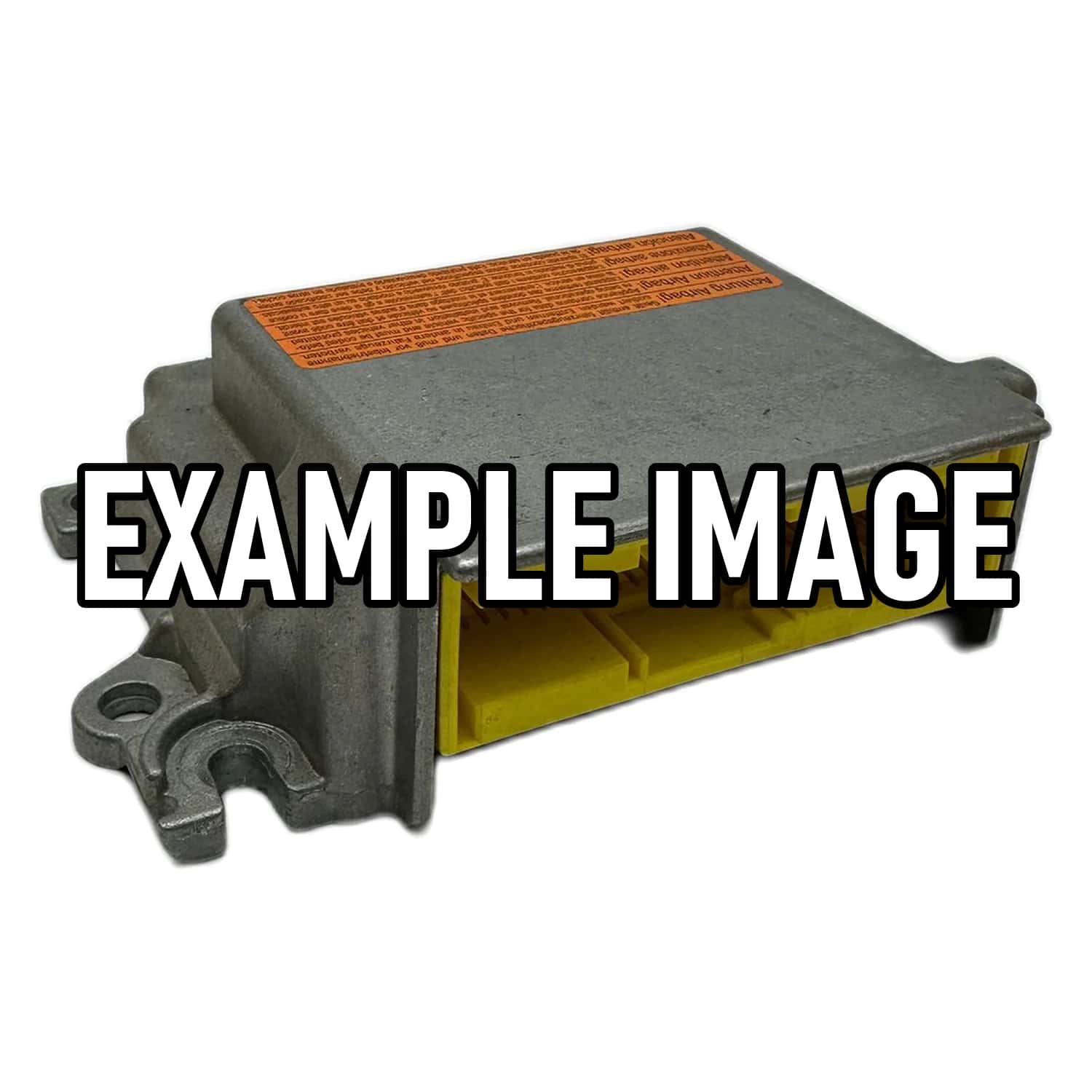
airbag control unit repair Iveco LMV M65
from€79.00
 Quality since 2002
The Iveco LMV (Light Multirole Vehicle) is a specialized military vehicle whose airbag technology and associated electronic control units are tailored to the specific requirements of military operations. Airbag24 professionally repairs control units for this robust multi-purpose vehicle to ensure the functionality of electronic safety systems with original quality and a 2-year warranty.
The production history of the Iveco LMV, which began in the early 2000s and entered service in 2004, demonstrates continuous development. This vehicle was not primarily designed with the standardized airbag systems of civilian vehicles, but rather with a focus on ballistic protection and mine safety according to military standards such as STANAG 4569.
The development of the electronic safety systems in the Iveco LMV is closely linked to its military function. Even though civilian airbag standards are uncommon and not documented in detail, modern military vehicles feature complex electronics for sensing and controlling protective mechanisms that are relevant in the event of a collision or dangerous situation and may therefore also require professional repair.
The Iveco LMV has been produced in at least two main generations: the original LMV and its improved successor, the LMV 2. Each generation of the Iveco LMV may use different configurations of electronic control units for safety systems, reflecting technological advances from its launch in 2004 to the present day.
The first generation of the Iveco LMV established itself in 2004 as a light, armored multi-purpose vehicle used by numerous armed forces worldwide. It was characterized by its high mobility and modular armor.
With the introduction of the LMV 2, the concept was further developed to offer improved protective features and a higher payload. These developments potentially also include adjustments or innovations in on-board electronics, including those components responsible for processing impact data or controlling safety systems.
Even though the exact specification of "airbag control units" in the military context of the LMV is not publicly documented, it can be assumed that improvements have been made to all electronic components over the generations that contribute to the functionality and safety of the vehicle.
Iveco LMV airbag control units or similar electronic safety units can be clearly identified primarily by their specific part number, the vehicle's year of manufacture, and often also by the vehicle identification number (VIN). Correct identification is crucial, as even military vehicles use specific control unit variants for the respective vehicle configuration and year of manufacture.
To repair a defective control unit on an Iveco LMV, it is essential to precisely identify the module in question. The part number is usually located directly on the control unit's housing and provides precise information on compatibility and the internal software version. This is especially important because military vehicles often have very specific and customized electronics that are not interchangeable with civilian components.
In addition to the part number, the Iveco LMV's vehicle identification number (VIN) can also provide information about the exact equipment and components installed. This combination of data makes it possible to determine the correct repair method and, if necessary, the appropriate software for the specific Iveco LMV airbag control unit or similar safety electronics module to professionally correct a defective condition.
The Iveco LMV is designed as a light, armored, multi-purpose military vehicle, with its equipment primarily geared toward military protection standards. Accordingly, an airbag standard, as is common in civilian vehicles, is rather unusual for the Iveco LMV and is not explicitly documented in publicly available sources. The focus is on protecting the occupants through the vehicle's design itself, such as the modular armor and the V-shaped underbody for protection against mines and IEDs.
The Iveco LMV was developed to ensure maximum protection and mobility in tactical operations. The primary safety features of the vehicle, which weighs approximately 6.5 tons and is powered by a powerful Iveco F1D common rail diesel engine, lie in its robust construction and its modular protection system, which complies with STANAG 4569 standards. This includes ballistic protection and mine protection, which is achieved through the special V-shaped underbody to mitigate blast effects.
While traditional, impact-based airbag systems, as found in passenger cars, aren't described as standard equipment in the Iveco LMV, this doesn't mean that electronic safety systems aren't present. Modern military vehicles can feature sophisticated sensors and control units responsible for detecting threats, monitoring vehicle health, and protecting the crew in various scenarios. Such systems, even if they don't deploy "airbags" in the strictest sense, require specialized repair if they fail.
The safety of up to six occupants is primarily ensured by the vehicle's armor and construction, which operates reliably even in extreme off-road conditions (thanks to independent double A-arm suspension and permanent all-wheel drive). Repairing electronic control units that must function in such demanding environments therefore requires in-depth expertise in the specific technology and the high demands placed on the reliability and functionality of these components in military operations.
Airbag24 repairs your component in Berlin — usually within 3–4 working days.
Standard shipping within Germany is free; we normally return your part by UPS.
You pay for and insure the inbound shipment to us. On explicit request we ship by express — the extra cost is borne by the customer.
If you withdraw from the contract, you bear the cost of returning the item.