
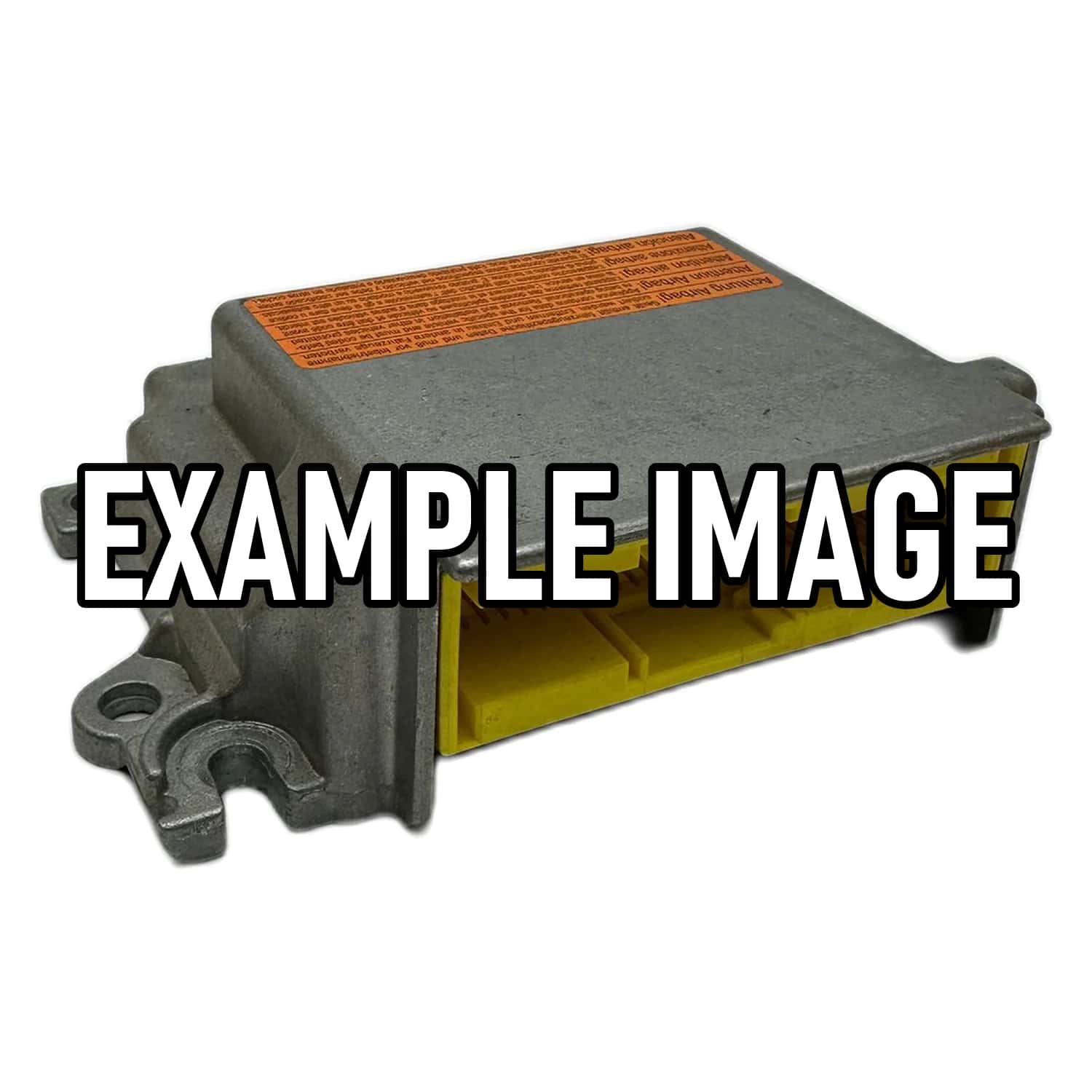
SsangYong XLV airbag control unit repair(1)
1 product
What should I pay attention to with SsangYong XLV airbag control units?
The airbag technologies used in the SsangYong XLV vary depending on the model year and equipment. A professional repair of airbag control units restores original functionality and is crucial for vehicle safety.
The SsangYong XLV, produced from 2016 to approximately 2021, shares many technical components with the SsangYong Tivoli. As an extended version of the Tivoli, the XLV launched with a solid base package, including passive safety systems.
The development of the airbag systems in the SsangYong XLV over its production period reflects the general progress in vehicle safety. Although no explicit generational changes are documented, there have been continuous adjustments that may affect the installed airbag control units.
Which SsangYong XLV generations are there?
The SsangYong XLV was produced as a single model with the internal designation X155 from 2016 to 2021. Although there are no classic, independent generations, the development of the safety system during this period reflects technological progress.
The SsangYong XLV launched in June 2016 as a compact SUV station wagon model, designed for spaciousness and attractive value. Although there have been no official "generations," model updates and technical upgrades have been made over the years. These may have affected the components of the airbag system, including the airbag control unit.
Each of these adjustments may have resulted in specific components, such as the airbag control unit, being slightly modified to accommodate new sensors or software updates. This is important for a proper SsangYong XLV airbag control unit repair, as compatibility must be ensured.
How do I identify my SsangYong XLV airbag control unit?
SsangYong XLV airbag control units can be identified by their unique part number, the exact year of manufacture, and often by the vehicle identification number (VIN). Each XLV model year uses specific control unit variants for optimal functionality and safety.
To identify the correct airbag control unit for your SsangYong XLV, it's crucial to check the part number printed on the unit itself. This number is the primary key to correct identification and determining compatibility, especially if repair or replacement is necessary.
A defective airbag control unit must be precisely identified to ensure that the repair or replacement restores the correct functionality of the entire airbag system. The exact vehicle model year and VIN also help to consider specifications and any optional equipment that could affect the installed control unit.
What airbag equipment does the SsangYong XLV have?
The airbag configuration of the SsangYong XLV generally varies only slightly, as even the base models come with comprehensive passive safety features. It can be assumed that front and side airbags were installed as standard to meet safety standards.
The SsangYong XLV was designed as a spacious and practical compact SUV aimed at families and price-conscious buyers who value safety. Therefore, the vehicle was equipped with a solid safety package from the outset. In addition to passive airbag systems, the XLV also featured active safety features such as rollover protection (ARP) and various assistance systems that underpin the overall vehicle safety concept.
Specific details about optional airbags, such as head airbags or knee airbags, are less documented in the general vehicle information for the SsangYong XLV. However, it is common for vehicles in this class to offer front airbags for the driver and front passenger, as well as side airbags for upper body protection, as standard. A defective airbag control unit can impair the function of all these airbags, which is why a SsangYong XLV airbag control unit repair is crucial.
The complexity of airbag systems requires the utmost precision when repairing or servicing the control unit. Each airbag module—be it front, side, or possibly additional modules—is connected via the central airbag control unit and is precisely deployed in the event of a collision. This makes proper control unit operation essential for the safety of the occupants of the SsangYong XLV.
Common fault codes in this category
Shipping & repair from Germany
Airbag24 repairs your component in Berlin — usually within 3–4 working days.
Standard shipping within Germany is free; we normally return your part by UPS.
You pay for and insure the inbound shipment to us. On explicit request we ship by express — the extra cost is borne by the customer.
If you withdraw from the contract, you bear the cost of returning the item.