German specialistFree standard shippingFast delivery20,000+ repairs · 10,000+ reviews
 Quality since 2002
How can we help?+49 30 75 65 56 71
Quality since 2002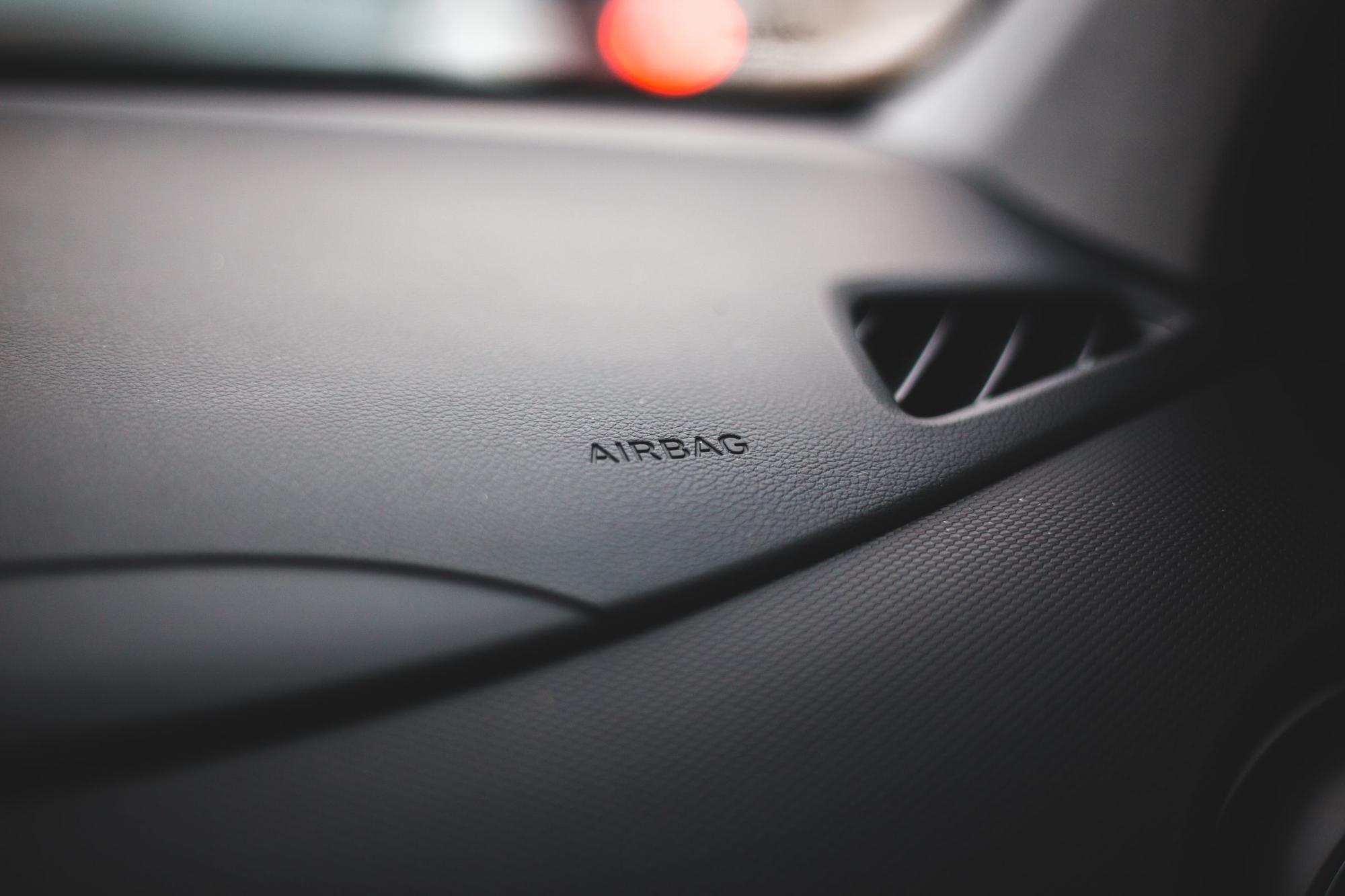
The Alfa Romeo SZ airbag control unit is an extremely rare component, as the Alfa Romeo SZ (Sprint Zagato) was most likely not equipped with airbags as standard or optionally due to its production period from 1989 to 1991 and its sporty character. However, we offer a specialized repair for these unique vehicles if such a control unit is present in your SZ or has been retrofitted.
The Alfa Romeo SZ, also known as "Il Mostro," was a hand-built sports car with a focus on driving dynamics and lightweight construction. Safety systems such as airbags were not yet standard equipment in this niche and at that time (late 1980s, early 1990s), especially not in European sports coupes.
Airbag technology only became a comprehensive standard in the automotive industry in the mid-1990s. The few existing or retrofitted airbag control units for the Alfa Romeo SZ would have represented the state of the art at the time, which differs significantly from today's complex systems.
The Alfa Romeo SZ was essentially produced as a coupé in a single generation. A closely related, derivative model is the Alfa Romeo RZ (Roadster Zagato), which was produced from 1992 onwards and is considered a roadster variant of the SZ. The vehicle's development reflects the technological advances from 1989 to 1991, even though the SZ's visual and technical basis remained largely unchanged.
The Alfa Romeo SZ (Sprint Zagato) was a limited-edition project, handcrafted by Zagato in approximately 1,000 to 1,036 units between 1989 and 1991. This exclusive model was technically based on the Alfa Romeo 75, particularly its racing variants, and was designed as a prestige symbol of the brand after its Fiat takeover.
The focus was on the unique design, the powerful 3.0-liter "Busso" V6 engine, and the sporty handling. There was no comprehensive facelift or a new generation of the SZ coupé. The later RZ Roadster shared many components and the design philosophy, but represented a convertible variant.
Alfa Romeo SZ airbag control units, if installed in your vehicle, can typically be identified by their part number, year of manufacture, and vehicle identification number (VIN). Given the rarity of an airbag system in this model, a thorough check of the specific part numbers and, if applicable, the control unit's manufacturing date is essential.
A control unit is primarily identified by the manufacturer's original part number located on the housing. This number provides information about the model, year of manufacture, and the exact compatibility of the unit with the vehicle system.
Additionally, information such as the control unit's manufacturing date or specific markings on the housing can provide further clues for identification. For a vehicle as rare as the Alfa Romeo SZ, where airbags were likely not standard, meticulous documentation of the components present is crucial for a successful repair.
It's extremely unlikely that the Alfa Romeo SZ was equipped with airbags as standard or optional equipment. The production period from 1989 to 1991 and the car's character as a purist sports car strongly argue against the implementation of airbag systems. The focus was on driving dynamics, performance, and the unmistakable, angular "Il Mostro" design.
At the beginning of the 1990s, airbags were not yet a widespread standard feature, especially not in exclusive, hand-built sports cars. The trend was that airbags were initially introduced in larger sedans and the premium segment before later becoming more widely used.
The Alfa Romeo SZ focused on its sporty soul, the robust Busso V6 engine, and the lightweight construction made of composite fibers and methacrylic resin. Every kilogram of weight and every euro spent on development was invested in driving characteristics and the unique design, not in passive safety systems like airbags, which were still rare and expensive at the time.
Should an airbag control unit be found in your Alfa Romeo SZ, it could be an extremely rare, possibly experimental, or aftermarket installation. In such cases, specialized diagnostics and repair are essential to ensure functionality, even if the original factory equipment did not include such systems.