
Alfa Romeo airbag control unit repair(23)
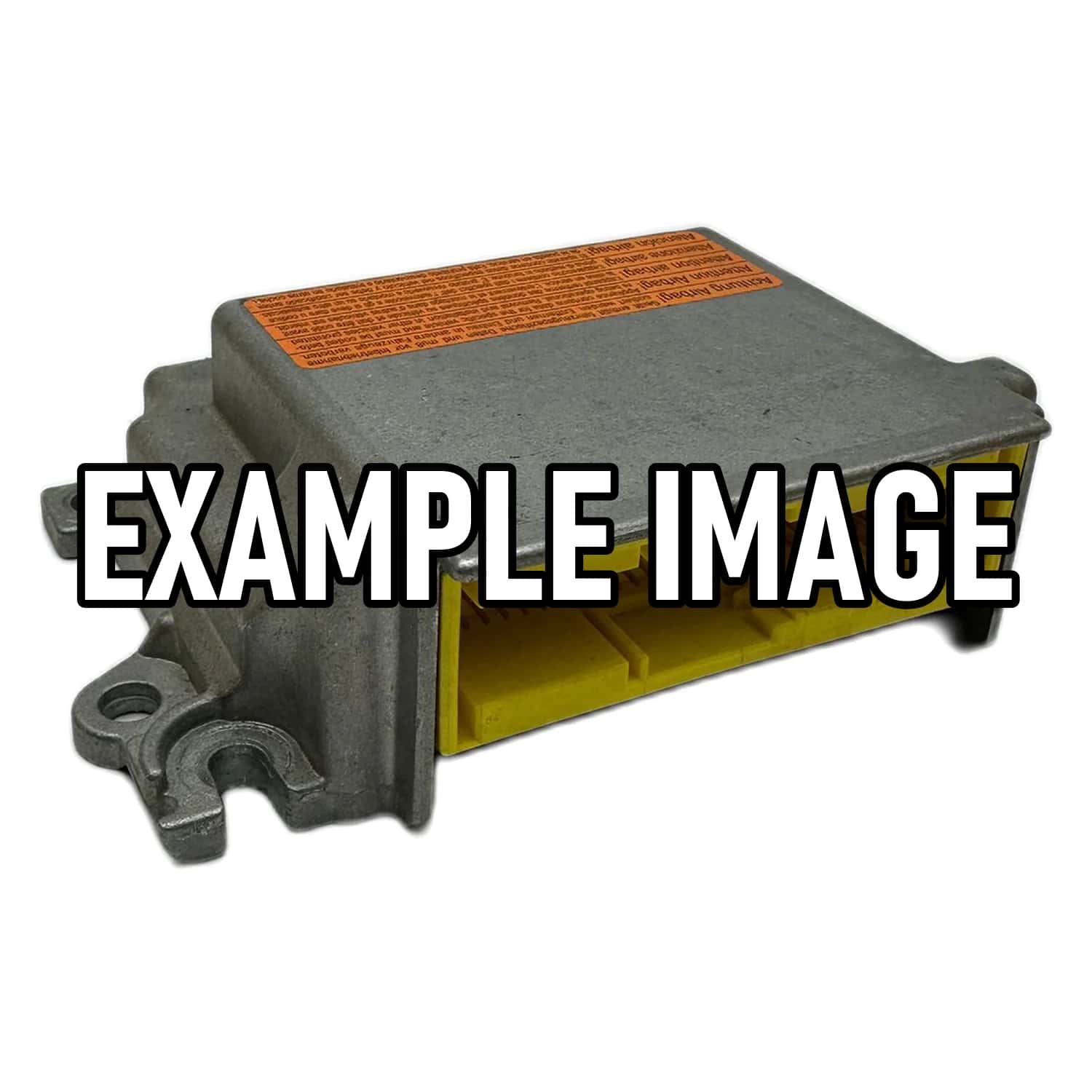
Alfa Romeo engineering deserves reliable electronics: find the matching airbag control unit here and send your unit in for testing or repair.
What should I pay attention to with Alfa Romeo airbag control units?
The airbag technology used in Alfa Romeos varies depending on the model and year of manufacture. Specialized workshops professionally repair control units for all Alfa Romeo model generations with original functionality and a two-year warranty.
Alfa Romeo, a brand with a long tradition and sporting heritage, has continuously developed the safety systems of its vehicles. From classic models like the Alfa Romeo 1900 and the Alfetta to modern vehicles like the Stelvio and Tonale, the airbag systems have always been adapted to the state of the art.
Alfa Romeo's production history is characterized by passion and engineering excellence, which is also reflected in the development of safety-relevant components such as airbag control units. These are central elements of the passive safety system and crucial for protecting occupants in the event of a collision.
Airbag system development over the years shows a clear trend from simple driver and passenger airbags to complex networks with side, curtain, and knee airbags. A defective Alfa Romeo airbag control unit can impair the function of the entire system, often indicating a permanently illuminated airbag warning light. A professional repair of this safety-relevant component is therefore essential to restore full functionality and thus safety in the vehicle.
Which Alfa Romeo models are there?
Alfa Romeo has produced over 60 different models, with each model and series generation using different airbag control units. The development of the safety system reflects technological advances.
Alfa Romeo's model range is impressively diverse, ranging from compact sedans like the Alfa Romeo 147, 146, and 145 to elegant mid-size vehicles like the Alfa Romeo 156, 159, and 116 and luxurious sedans like the Alfa Romeo 166. Sporty coupes and roadsters like the Alfa Romeo GT, GTV, Spider, and Brera are also part of the company's history.
In recent years, Alfa Romeo has expanded its presence in the SUV segment with the successful Alfa Romeo Stelvio and the new Alfa Romeo Tonale. This is complemented by iconic sports cars such as the Alfa Romeo 4C and the exclusive Alfa Romeo 8C Competizione and 8C Spider. Performance models such as the Alfa Romeo Giulia QV, Stelvio QV, 156 GTA, and GTAm are also worth mentioning, each of which uses specific airbag control units.
For classic car enthusiasts, Alfa Romeo offers a wide selection of historic models such as the Alfa Romeo Alfetta, Alfetta GT, Montreal, Giulia, and Giulietta from older generations. Each of these vehicle classes and generations required specific adaptations of the airbag systems and their control units, making precise identification essential for Alfa Romeo airbag control unit repairs.
How do I identify my Alfa Romeo airbag control unit?
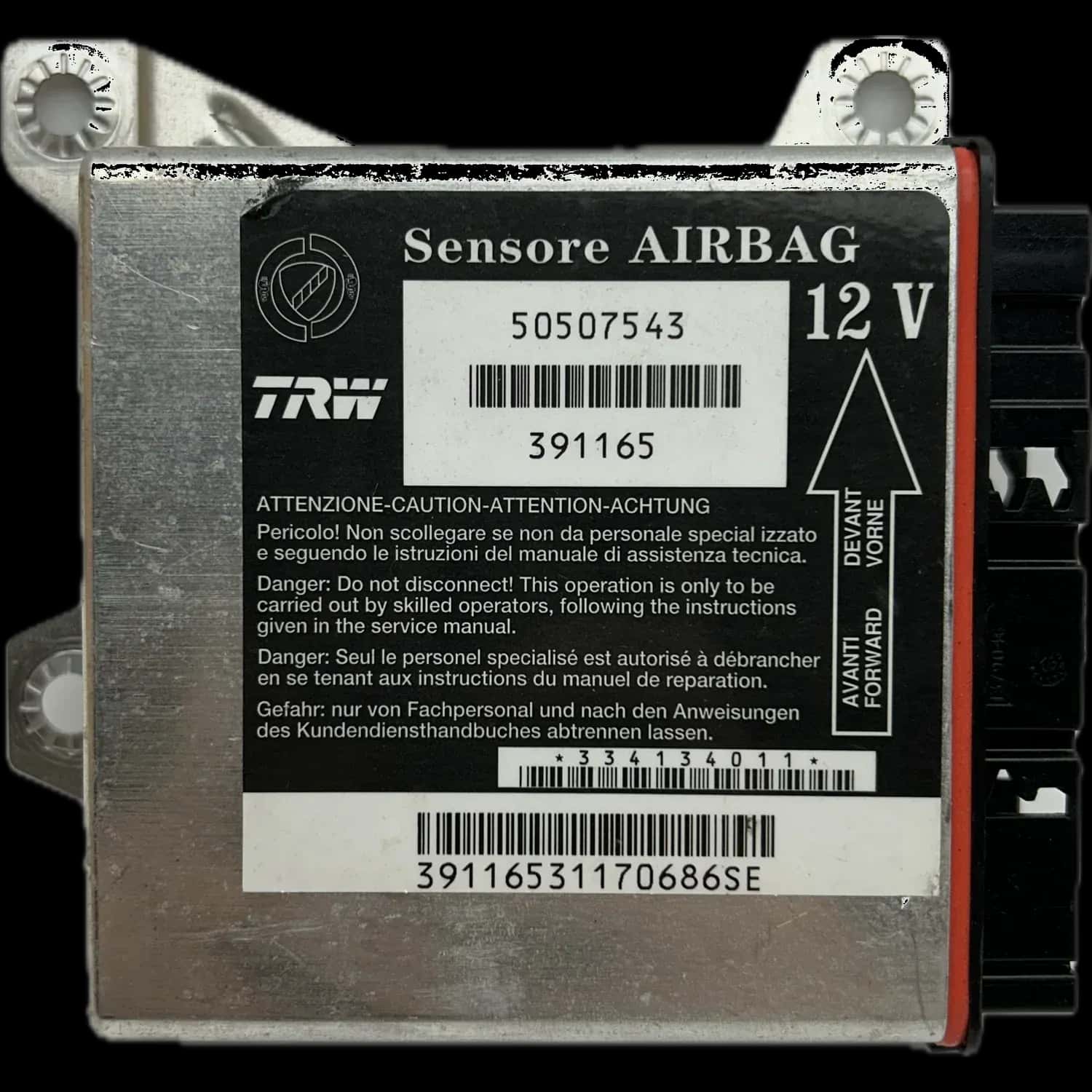
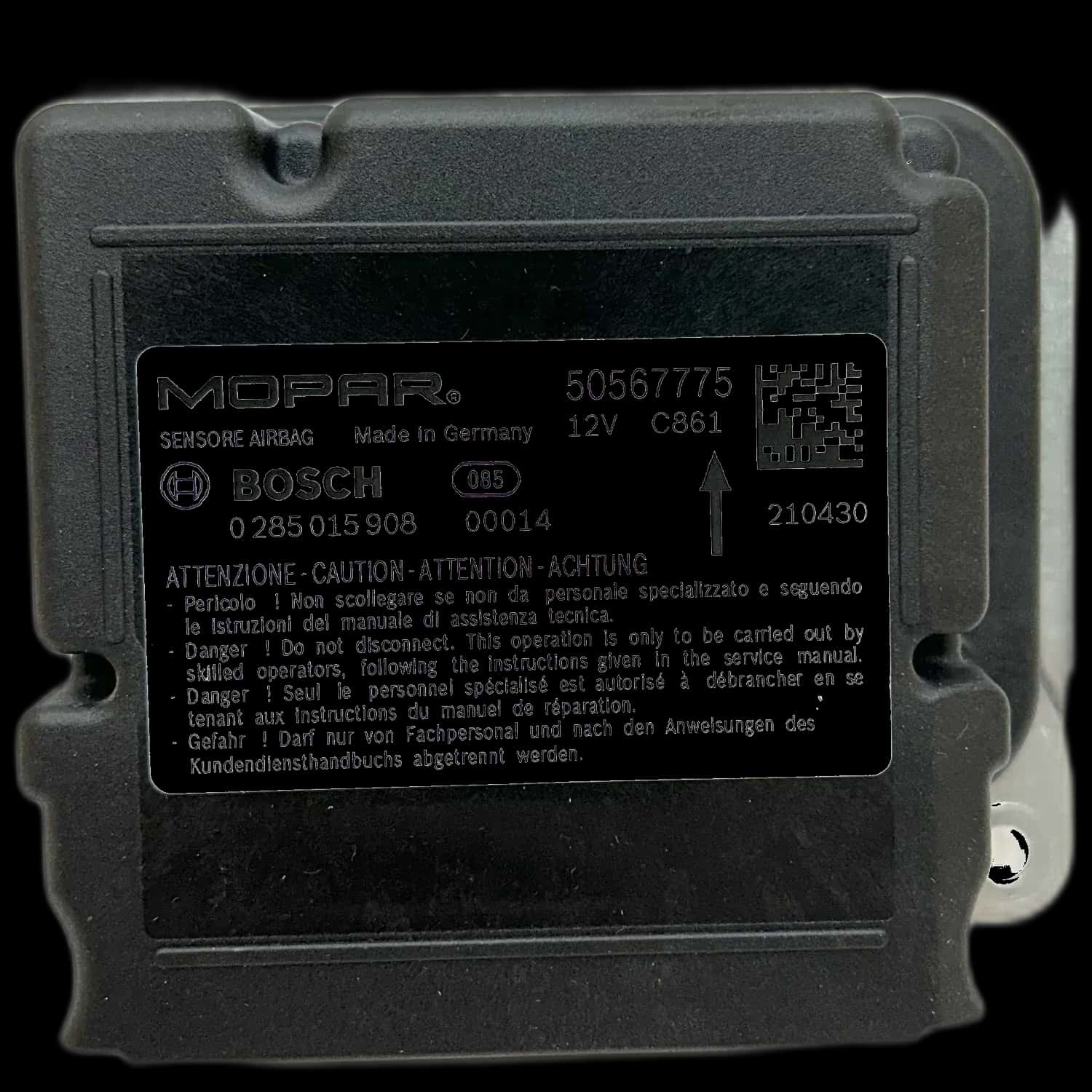
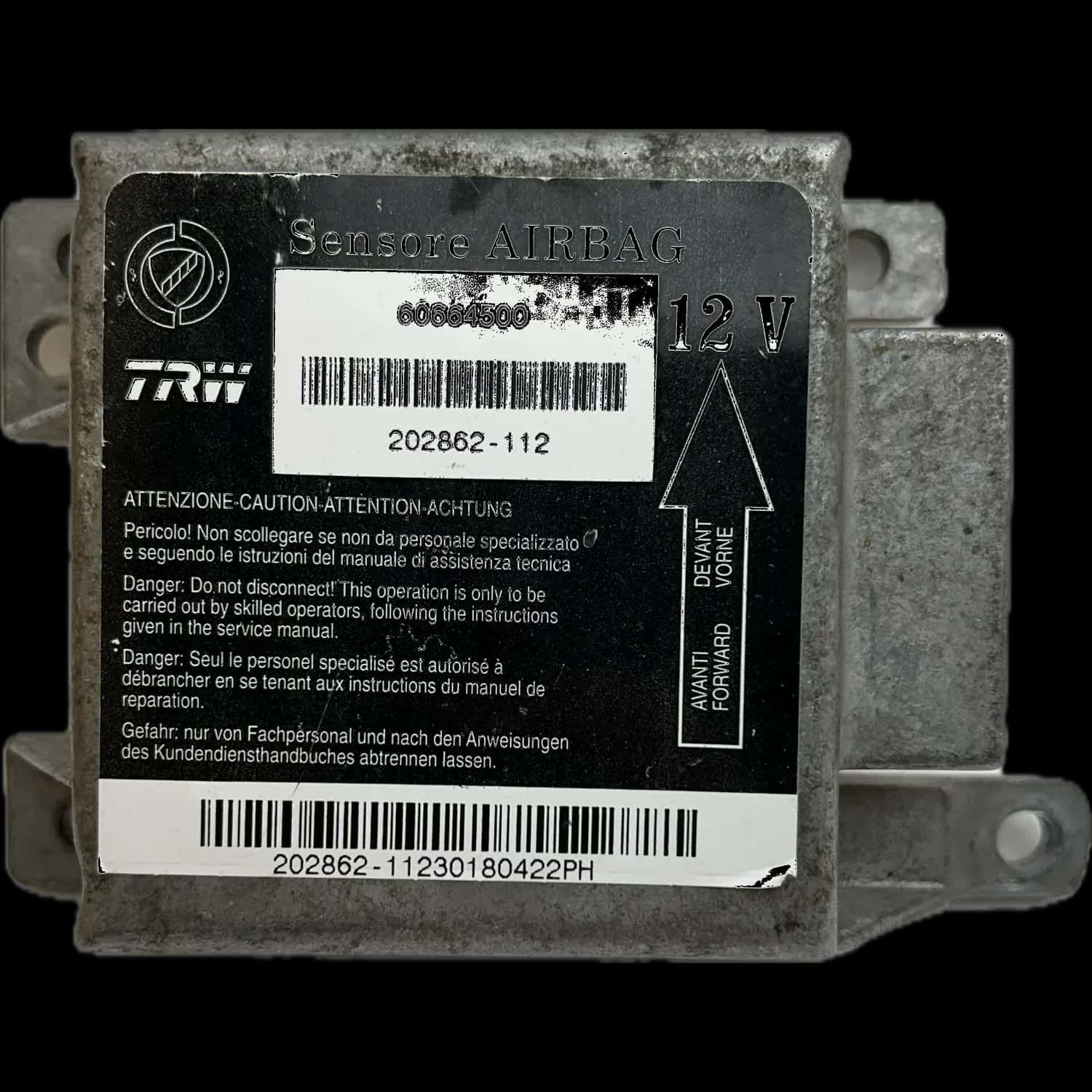
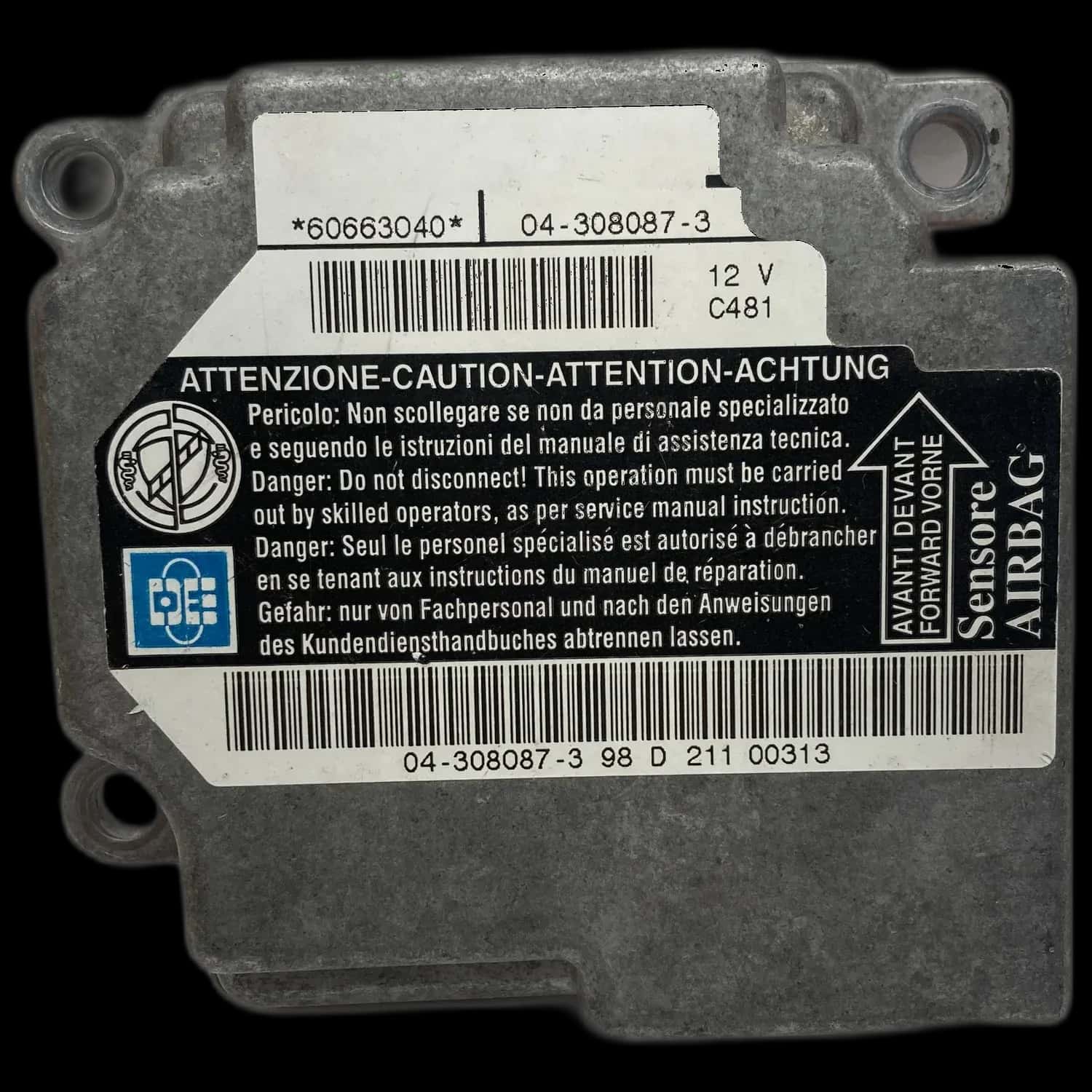
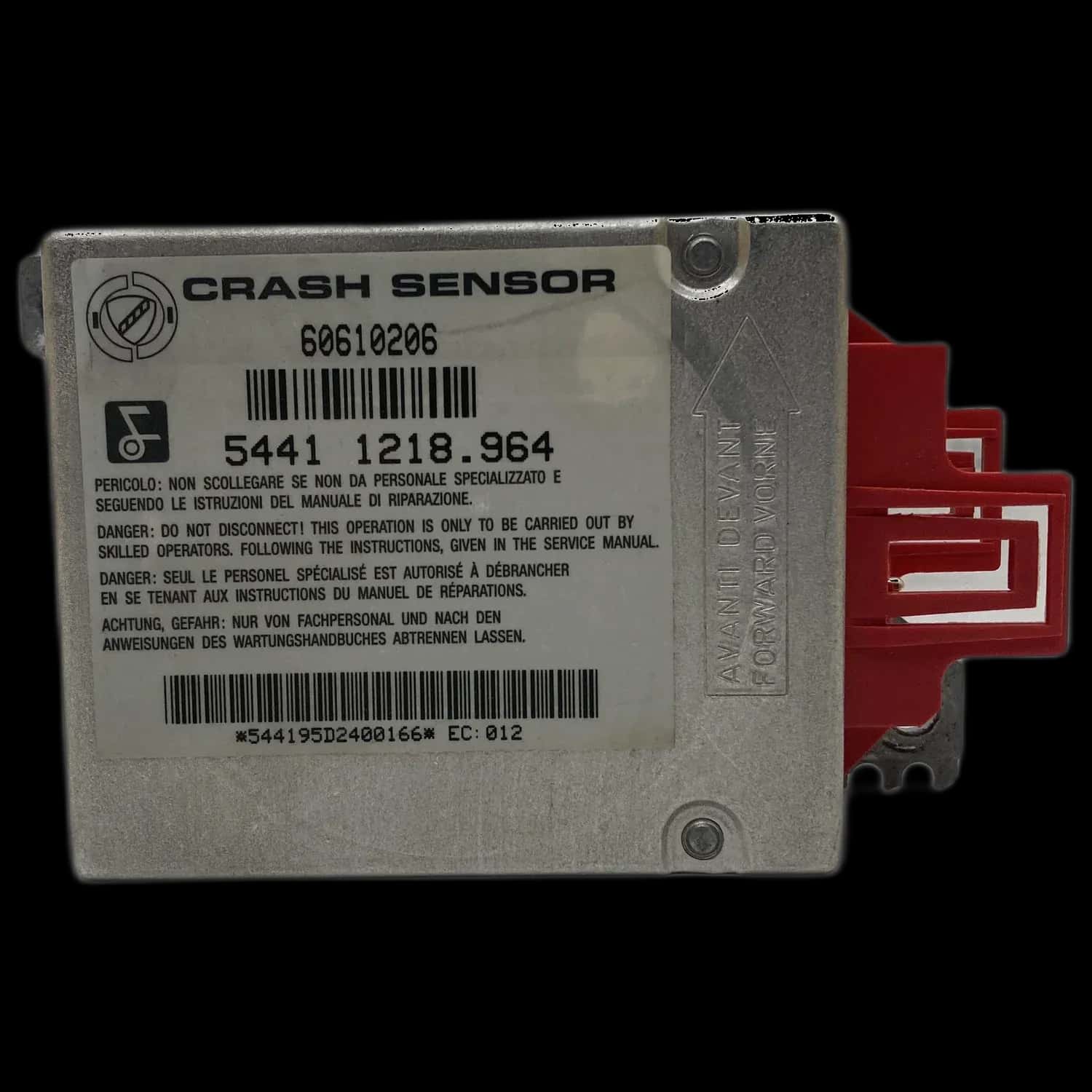
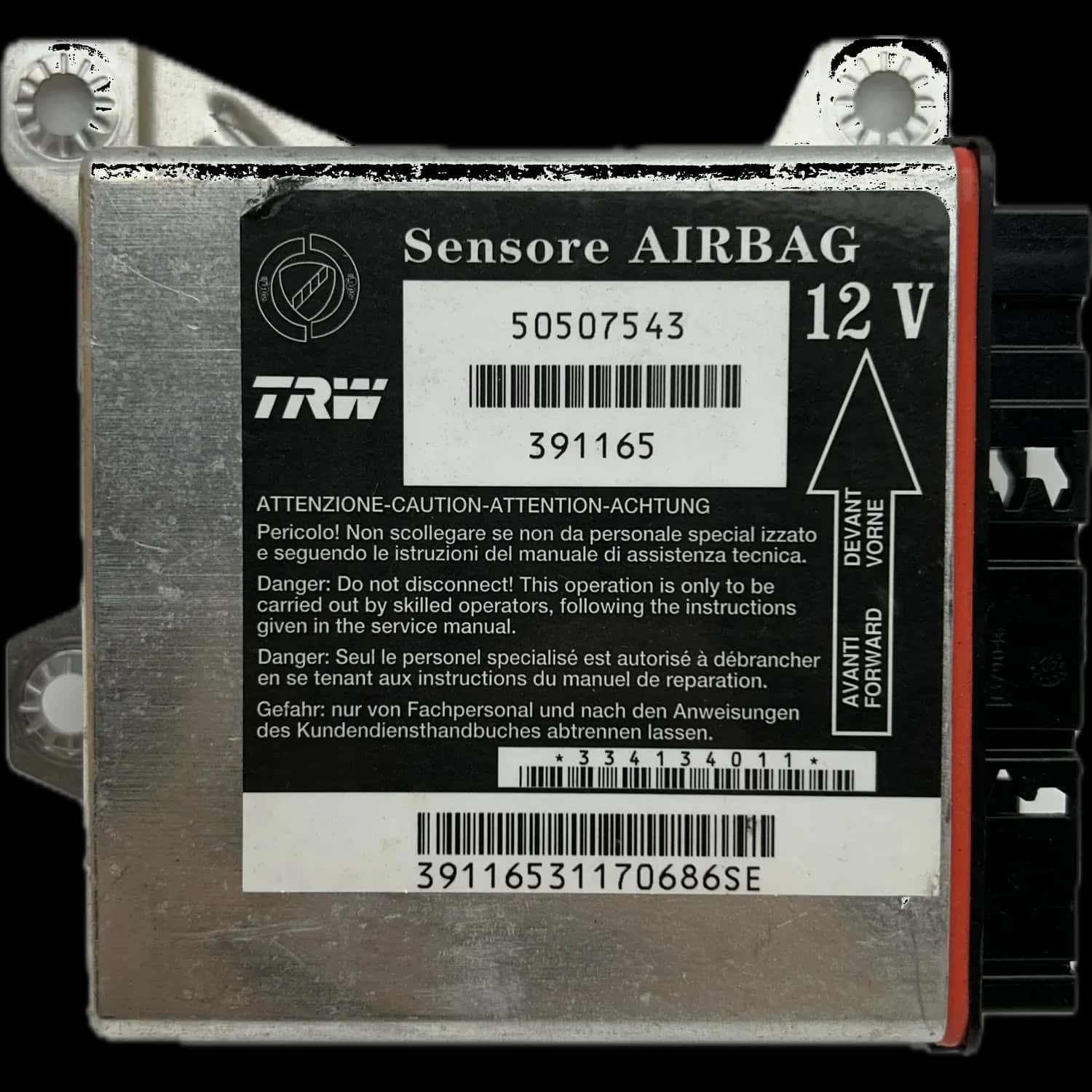
Alfa Romeo airbag control units can be uniquely identified by part number, year of manufacture, and vehicle identification number. Each generation uses specific control unit variants for optimal compatibility.
Clearly identifying the airbag control unit is the first step to a successful repair. The control unit's part number is usually printed or stamped directly on the housing. It provides important information about the exact version of the component and its compatibility with the vehicle model and year.
In addition to the part number, the vehicle identification number (VIN) can provide important clues to the correct control unit variant, as these are often programmed for specific vehicles. The year of manufacture of the Alfa Romeo also plays a crucial role, as airbag systems have changed significantly over the course of model generations.
When repairing an Alfa Romeo airbag control unit, it's also important to note that some control units from certain models or model series (e.g., Alfa Romeo 145/146) may be compatible with each other. This can simplify the procurement of replacement parts or the repair of defective units. Correct identification ensures that the repaired or replaced control unit is optimally suited to the vehicle.
What airbag equipment does Alfa Romeo have?
Alfa Romeo's airbag equipment varies depending on the model year and trim level. While early models use basic airbag systems, newer generations feature enhanced safety packages with additional airbag modules.
In older Alfa Romeo models, especially before the 2000s, airbags were often not standard or only available in higher trim levels. These usually only feature driver and passenger airbags, such as those found in some late Alfa Romeo 33 or early Alfa Romeo 155 models.
At the beginning of the 2000s, airbags became more comprehensive and standard in Alfa Romeo models. Models such as the Alfa Romeo 147, 156, and 166 already featured additional side and head airbags, significantly increasing occupant protection.
In newer generations, including the Alfa Romeo Giulia, Stelvio, and Tonale, airbags are an integral part of a sophisticated, comprehensive safety system. These vehicles are equipped with numerous airbags strategically positioned throughout the interior, which deploy in fractions of a second to provide maximum protection. The airbag control units in these models are highly complex units that store crash data and require professional repair in the event of a malfunction.
Common fault codes in this category
No communication - Control unit defectiveB1000 (control unit defective)B1001 - Airbag control unit internal fault (control unit defective)B1020 - Airbag control unit internal fault (control unit defective)2079B0003 (control unit defective)B0004B0100 - Airbag control unit internal fault (control unit defective)
Shipping & repair from Germany
Airbag24 repairs your component in Berlin — usually within 3–4 working days.
Standard shipping within Germany is free; we normally return your part by UPS.
You pay for and insure the inbound shipment to us. On explicit request we ship by express — the extra cost is borne by the customer.
If you withdraw from the contract, you bear the cost of returning the item.