
Audi e-tron airbag control unit repair(2)
2 products
What should be considered with Audi e-tron airbag control units?
The airbag technology used in the Audi e-tron varies depending on the model year and variant. Airbag control units of all Audi e-tron generations can be professionally repaired with original functionality and a two-year warranty.
The Audi e-tron, especially the first models of the GE series (known as the Q8 e-tron), set standards in the electric premium SUV segment starting in 2018/2019. Its safety systems, especially the airbag system, have been an integral part of the vehicle concept from the very beginning.
The airbag technology in the Audi e-tron is highly complex and fully integrated into the vehicle's electronics via the CAN bus system. This means that the airbag control unit not only coordinates the deployment of the airbags but also communicates continuously with other control units in the vehicle.
Over the years of production, which continue to this day for the Audi e-tron GE and began around 2022 for the GY series, the airbag systems have been continuously developed. Although the basic equipment is comprehensive, specific features or software updates can lead to different requirements for the control unit.
Known issues and recalls related to airbag control units deserve special attention, such as those encountered in the Audi e-tron GT. Faulty connections or sensor problems could impair function, highlighting the need for precise Audi e-tron airbag control unit repair .
Which Audi e-tron generations are there?
The Audi e-tron has so far been produced in two main model series, GE and GY, with each model series using specific airbag control units. The development of the safety system reflects technological progress from 2018 to the present.
The first and most prominent model series is the Audi e-tron GE, also known internally as the Q8 e-tron, which was designed as a battery-electric SUV in the upper mid-range segment. Production began in 2018/2019, with the first deliveries of the e-tron 55 quattro (GE) between March and November 2019.
This generation has undergone several facelifts and further developments since its debut. There are hints of successor models and ongoing updates, but they retain the basic architecture of the GE platform.
The Audi e-tron GY series represents a newer variant, with production dates expected to begin around 2022. These are likely to include additional body styles such as the Sportback or other specific versions of the e-tron family based on similar technological foundations.
Each of these model series, which comprise the Audi e-tron generations , uses specifically adapted airbag control units. These are tailored to the respective vehicle architecture, the number of installed airbags, and the networking with other vehicle systems.
Audi's ongoing development of electromobility, often described as a "top-down approach" in which luxury models are electrified first, also means a constant optimization of the installed safety technology, including the airbag system and its control unit.
How do I identify my Audi e-tron airbag control unit?
Audi e-tron airbag control units can be identified by their unique part number, the vehicle's year of manufacture, and the vehicle identification number (VIN). Each generation and model variant uses specific control unit variants for optimal compatibility and system integration.
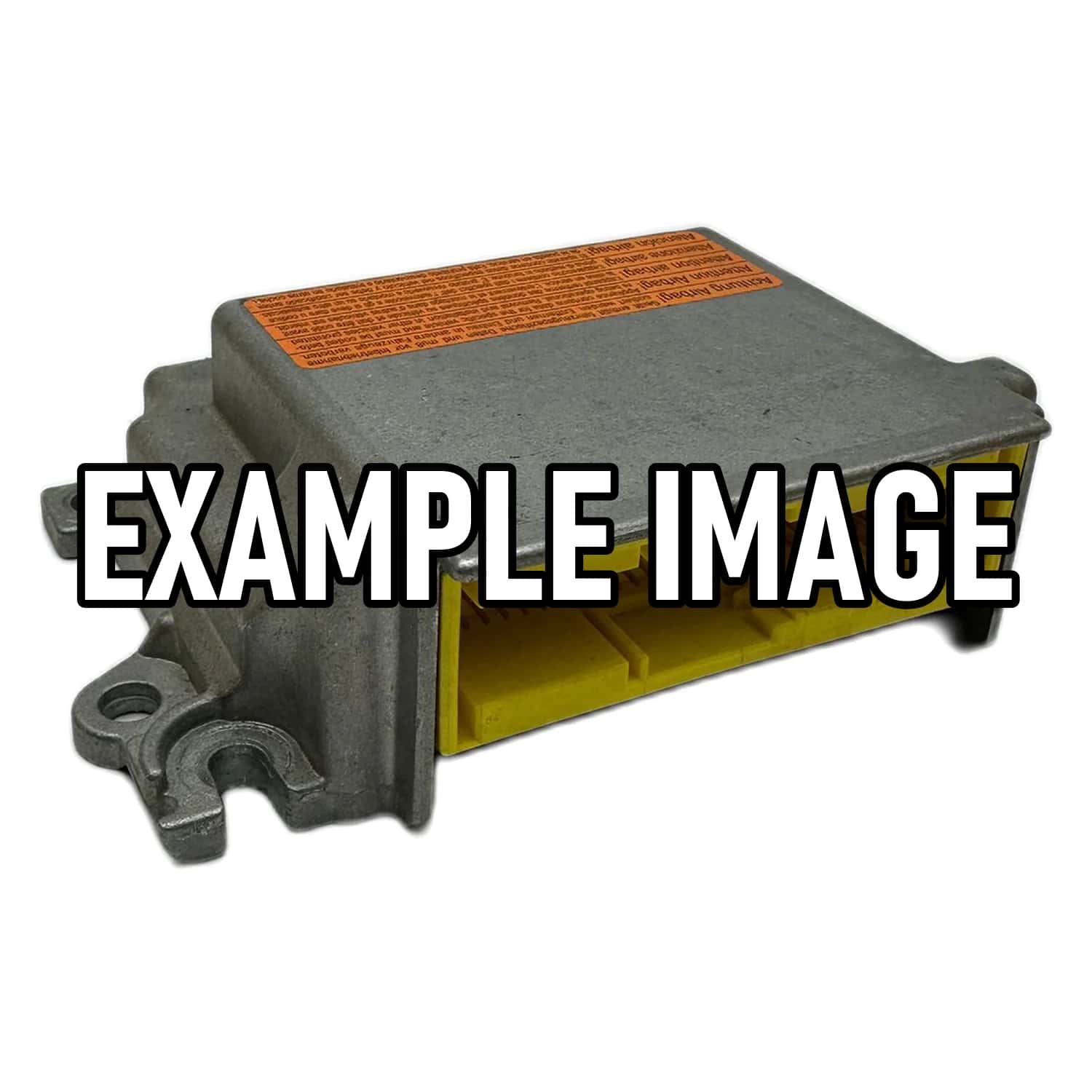
The part number is the primary indicator for identifying the correct airbag control unit. This number is located directly on the control unit itself, often on a sticker or embossed. It is crucial for precise repair or replacement.
In addition to the part number, the year of manufacture of your Audi e-tron is an important factor. Since airbag systems and their control units have evolved over the years of production, knowing the year of manufacture is essential for determining the correct version.
The vehicle identification number (VIN) of your Audi e-tron provides an additional level of security for identification. The VIN allows all factory-installed components, including the airbag control unit, to be precisely identified, as it stores a complete history of the vehicle's configuration.
For an accurate diagnosis and to ensure compatibility during Audi e-tron airbag control unit repair, it is crucial to consider all of this information. An incorrectly identified or incompatible control unit can lead to malfunctions in the entire safety system.
What airbag equipment does the Audi e-tron have?
The Audi e-tron's comprehensive airbag equipment ex works, aiming for maximum occupant safety. Details vary only marginally between specific model variants and production years, as advanced safety systems are an integral part of Audi's premium strategy.
All modern Audi e-tron models, both the GE and GY series, are equipped with a comprehensive airbag system as standard. This typically includes front airbags for the driver and front passenger, side airbags for thorax protection, and head airbags that extend across the entire window area.
These airbag modules are coordinated by a central airbag control unit, which continuously evaluates sensor data from impact sensors, seat belt buckle contacts, and seat occupancy sensors. In the event of an impact, the control unit ensures the situation-appropriate and lightning-fast deployment of the relevant airbags.
These systems are integrated via the aforementioned CAN bus network, ensuring seamless communication and coordination with other vehicle systems such as the seat belt pretensioners and the emergency call function. This underscores the complex nature of the airbag systems in the Audi e-tron.
While there's no clear distinction between "standard" and "optional" airbag equipment in the traditional sense, newer model updates or specific trim levels of the Audi e-tron may feature enhanced or optimized sensors and software adjustments. However, this is more of an evolution of existing systems than an optional feature.
Problems with a defective airbag control unit can lead to malfunction or failure of the entire safety system. Such a malfunction is indicated by the illuminated airbag warning light in the instrument cluster and requires immediate professional diagnosis and repair of the control unit.
Common fault codes in this category
Shipping & repair from Germany
Airbag24 repairs your component in Berlin — usually within 3–4 working days.
Standard shipping within Germany is free; we normally return your part by UPS.
You pay for and insure the inbound shipment to us. On explicit request we ship by express — the extra cost is borne by the customer.
If you withdraw from the contract, you bear the cost of returning the item.