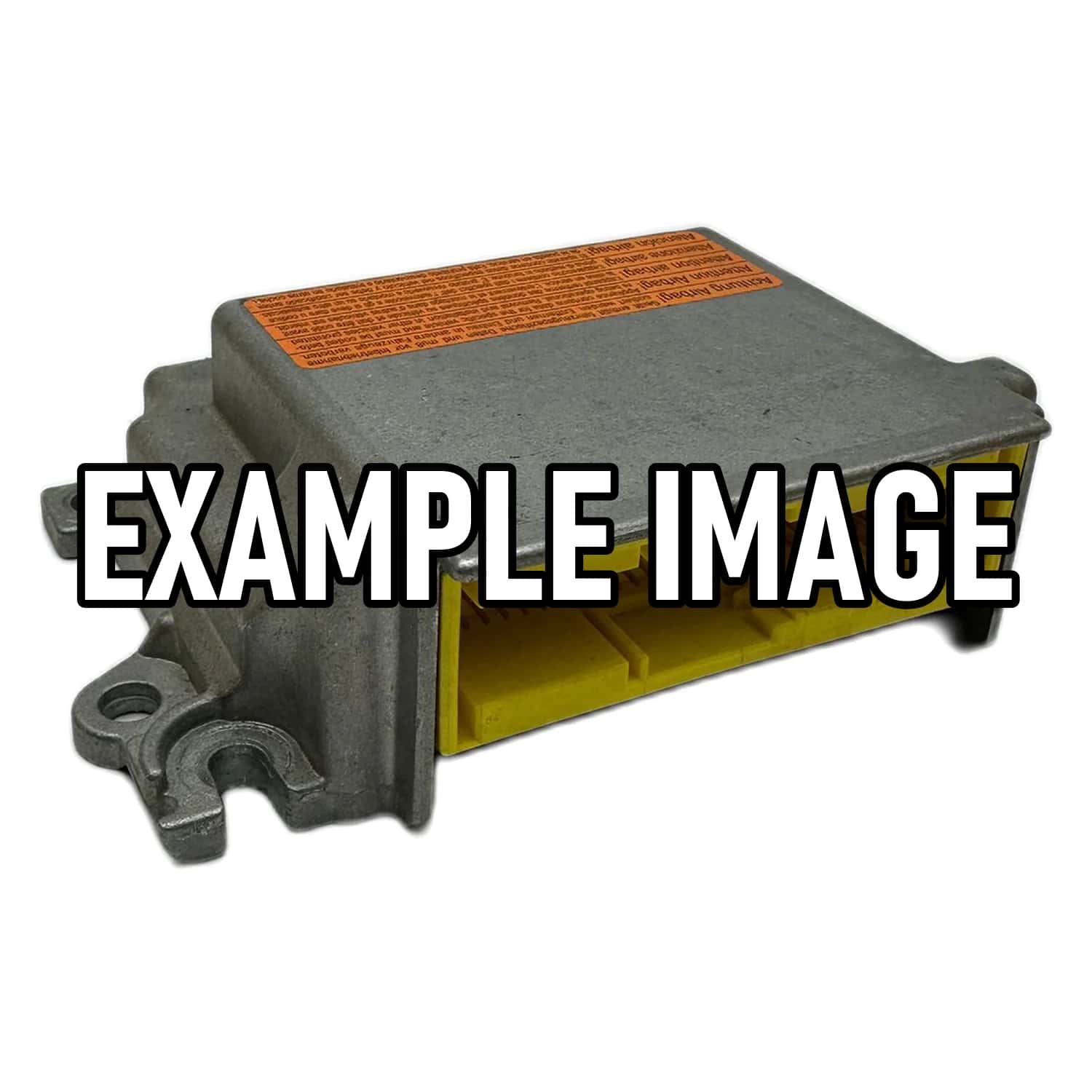
airbag control unit repair Audi SQ7 4M
from€79.00
 Quality since 2002
The Audi SQ7 airbag control unit is a central component of the occupant protection system and requires precise diagnosis and repair in the event of a defect. The airbag technologies used in the Audi SQ7 are highly complex and vary slightly depending on the model year and specific equipment.
The Audi SQ7, a sporty, high-performance version of the Audi Q7 Type 4M, was introduced in 2016 and shares the basic architecture of the second-generation Q7, which has been in production since March 2015. This model series has undergone various updates and facelifts over the course of its production run, which may also affect the electronic systems, including the airbag control unit.
Audi's continuous development of safety technologies means that the SQ7's airbag system has also been continuously optimized. This includes improved sensors, faster deployment mechanisms, and closer integration with driver assistance systems such as Audi pre sense. A professional Audi SQ7 airbag control unit repair must therefore always take the specific revision and software version of the control unit into account to ensure true-to-original functionality.
The Audi SQ7 exists as part of the second generation of the Audi Q7 (Type 4M), which has been in production since 2015. Although it is a generation, significant facelifts and updates have been made within the production period of the SQ7 (since 2016), which can also affect the airbag control units.
The Audi Q7 has two main generations: the first (Type 4L) from 2005 to 2015 and the second (Type 4M) since 2015. The Audi SQ7 was introduced in 2016 as the sporty top-of-the-line model within the Q7 4M range. The SQ7's first major facelift took place around 2019, with further minor visual and technical adjustments planned until at least 2025.
These model update cycles often include updates to the on-board electronics, meaning that an Audi SQ7 airbag control unit from an early model year may differ from one after the 2019 facelift. A professional Audi SQ7 airbag control unit repair therefore requires detailed knowledge of these model year differences to ensure that the repaired unit fits the vehicle perfectly and that all safety functions are performed correctly.
Clearly identifying your Audi SQ7 airbag control unit is essential for a successful repair. This is primarily done via the part number located directly on the control unit's housing. Additional information such as the vehicle's year of manufacture and the vehicle identification number (VIN) support precise identification and compatibility testing.
The part number of the Audi SQ7 airbag control unit provides information about the module's exact hardware and software version, which is essential for repairing a defective control unit. Each generation, and often each facelift, of the Audi SQ7 uses specific control unit variants that are adapted to the respective safety equipment and vehicle architecture. This ensures optimal compatibility and the correct function of the entire airbag system after repair.
When repairing an Audi SQ7 airbag control unit, we ensure that the repaired unit has the same specifications and functionality as the original. This is crucial to ensure that all airbags and seatbelt pretensioners installed in the vehicle deploy correctly and safely in the event of an accident. Incorrect identification could lead to compatibility issues, so precision is paramount here.
The Audi SQ7, as a luxury SUV, comes standard with a comprehensive airbag system that offers a high level of occupant protection. This includes front airbags for the driver and front passenger, side airbags at the front and rear, and head contour airbags (curtain airbags) that extend across the entire side.
This comprehensive safety equipment is standard on all Audi SQ7 models of the 4M generation and reflects the vehicle's premium credentials. In addition to the passive airbag systems, the SQ7 features active safety features such as Audi pre sense basic and front. These systems detect potential accidents early and can initiate preparatory measures such as tightening the seat belts or priming the brake system, further increasing the effectiveness of the airbags in an emergency.
The integration of these advanced safety systems, including adaptive air suspension, lane departure warning, blind spot warning, 360-degree cameras, and parking assist, underscores the Audi SQ7's role as a full-size SUV for families with high demands on performance and safety. A defective Audi SQ7 airbag control unit can compromise the function of this entire safety chain, which is why a quick and professional repair is essential to restore the vehicle's full safety and compliance.
Airbag24 repairs your component in Berlin — usually within 3–4 working days.
Standard shipping within Germany is free; we normally return your part by UPS.
You pay for and insure the inbound shipment to us. On explicit request we ship by express — the extra cost is borne by the customer.
If you withdraw from the contract, you bear the cost of returning the item.