
Chevrolet Corvette airbag control unit repair(5)
5 products
What should I consider when it comes to Chevrolet Corvette airbag control units?
The airbag technology used in the Chevrolet Corvette varies considerably depending on the model year. Airbag control units for these iconic sports cars require specialized expertise to ensure professional repair and restoration of original functionality.
The Chevrolet Corvette has been in production since 1953 and has undergone continuous development over eight generations. This long production run translates into an enormous variety of components, especially in the area of safety systems.
The development of airbag systems reflects advances in vehicle safety. While early models didn't have airbags, the latest generations feature highly complex safety systems whose control units must be precisely tailored to the specific vehicle.
Which Chevrolet Corvette generations are there?
The Chevrolet Corvette has been produced in eight generations, each with a different airbag control unit. The evolution of the safety system reflects technological advances from 1953 to the present.
The Corvette model range includes the C1 (1953–1962), C2 (1963–1967), C3 (1968–1982), C4 (1984–1996), C5 (1997–2004), C6 (2005–2013), C7 (2014–2019), and the current C8 (2020 and later) generations. Each of these series has specific requirements for the maintenance and repair of its electronics.
The transitions between generations in which airbags were introduced or enhanced are particularly crucial for identifying the correct airbag control unit. The C4 generation marks an important turning point with the first introduction of airbags.
The airbag systems of the newer generations, such as the C7 and C8, are highly integrated and, in the event of a defect, require professional repair to maintain the full functionality of the passive safety system.
How do I identify my Chevrolet Corvette airbag control unit?
Chevrolet Corvette airbag control units can be uniquely identified by their specific part number, model year, and vehicle identification number (VIN). Each generation, and often even different model years within a generation, use specific control unit variants for optimal compatibility.
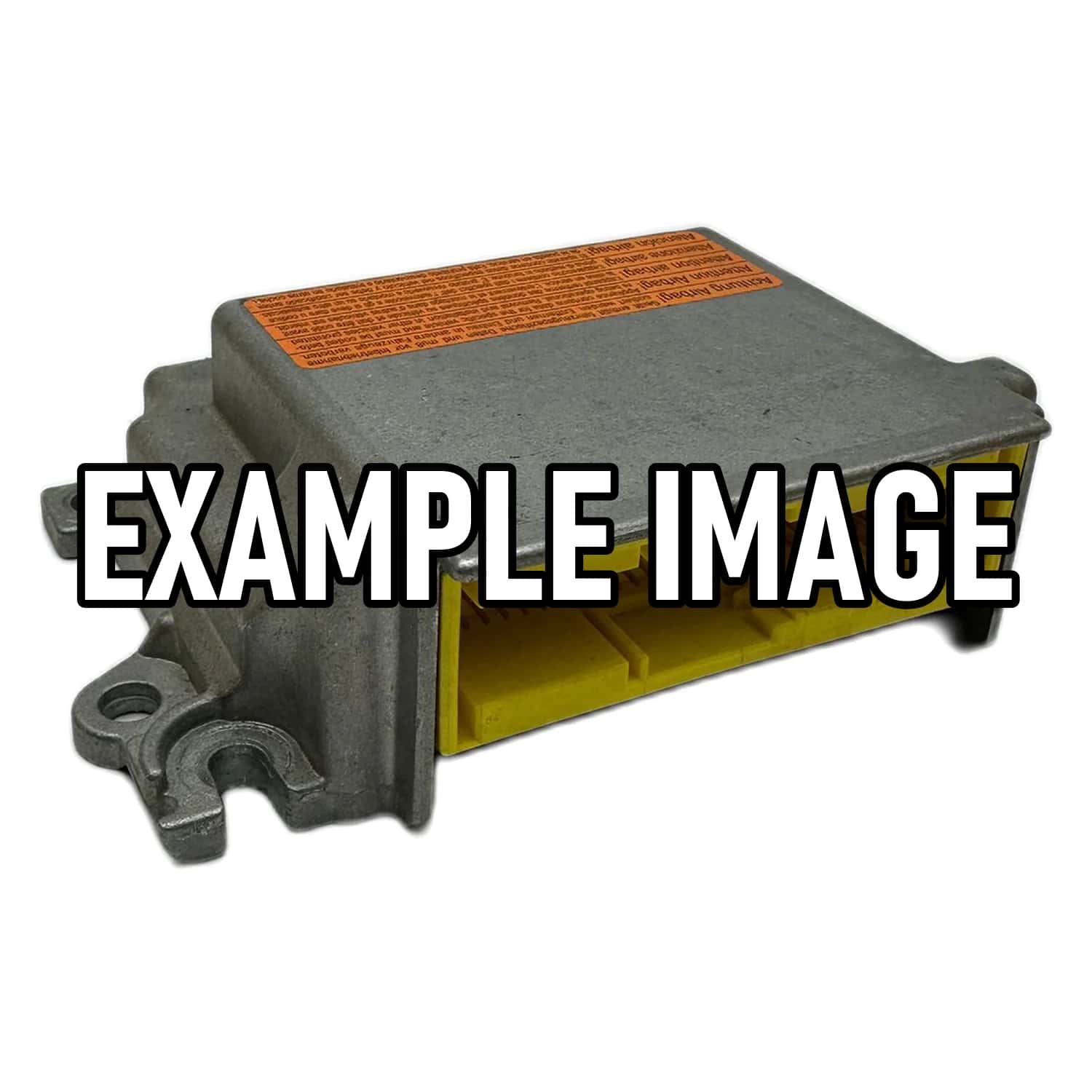
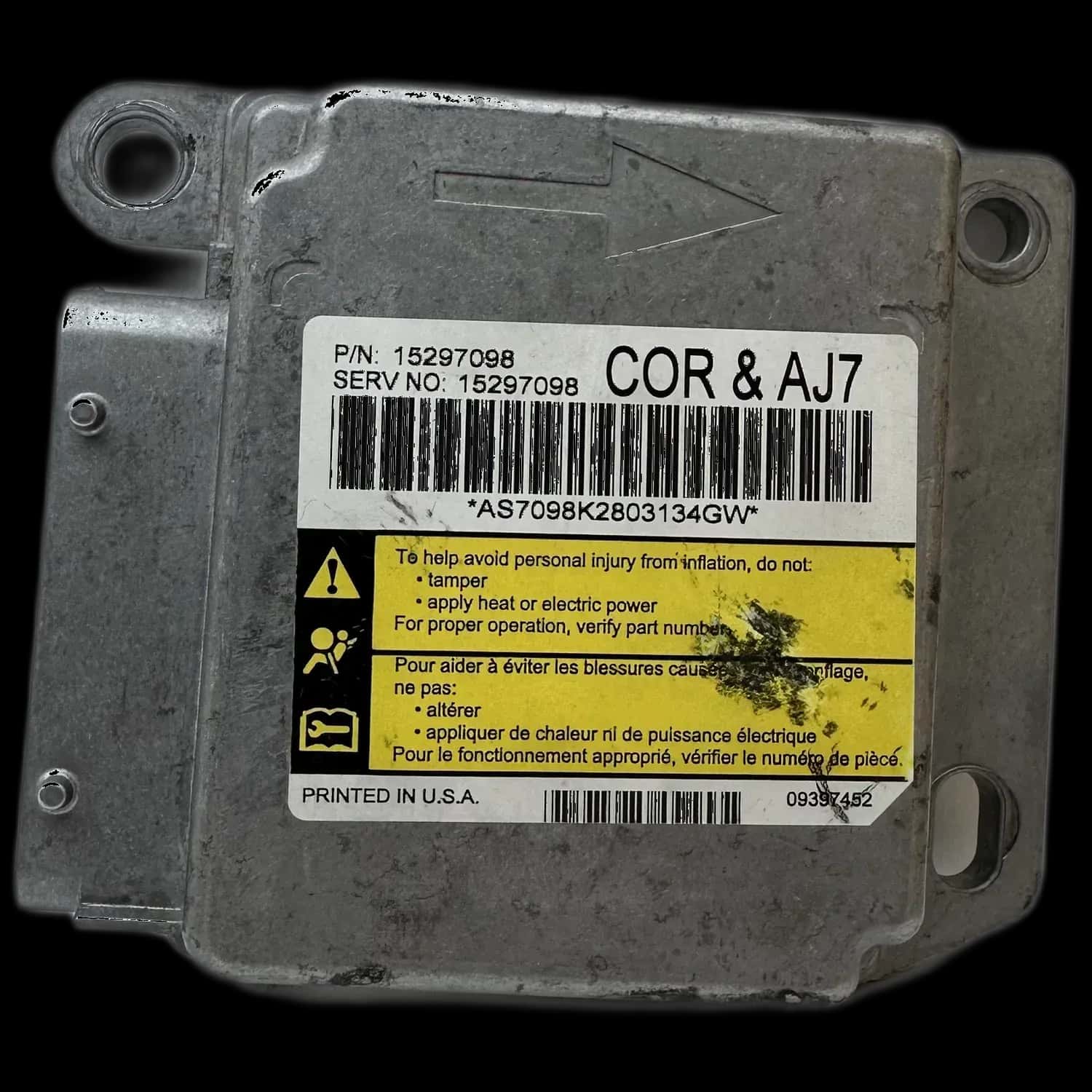
To repair a defective Chevrolet Corvette airbag control unit, precise identification is essential. The control unit's part number is usually located directly on the housing and is the most important indicator of compatibility.
Additionally, the exact year of manufacture and the vehicle identification number (VIN) are crucial, as replacement modules often need to be programmed specifically for the vehicle. Incorrect assignment can lead to compatibility issues or persistent error messages.
What airbag equipment does the Chevrolet Corvette have?
The airbag configuration of the Chevrolet Corvette varies greatly depending on the model year and trim level. While early models lacked airbags, newer generations feature enhanced safety packages with additional airbag modules for comprehensive occupant protection.
The first generations of the Corvette (C1, C2, C3, 1953–1982) did not have airbags. Seat belts were initially available only as an option and only later became standard, reflecting the safety standards of the time.
The Chevrolet Corvette C4 was the first generation to offer airbags, starting around 1990. This represented a significant advance in passive safety for the legendary sports car.
Starting with the Corvette C5 (1997–2004), driver and passenger airbags were fitted as standard. With the C6 (2005–2013), the safety systems were further developed and supplemented with additional modules such as side airbags.
The newer generations, the C7 (2014–2019) and the current C8 (from 2020), feature fully equipped airbag systems that include frontal and side airbags, as well as additional sensors and modules for comprehensive occupant protection. A defect in these complex systems requires precise repair to restore safety standards.
Shipping & repair from Germany
Airbag24 repairs your component in Berlin — usually within 3–4 working days.
Standard shipping within Germany is free; we normally return your part by UPS.
You pay for and insure the inbound shipment to us. On explicit request we ship by express — the extra cost is borne by the customer.
If you withdraw from the contract, you bear the cost of returning the item.