
Chevrolet Lumina airbag control unit repair(2)
2 products
What should I consider with Chevrolet Lumina airbag control units?
The airbag technology used in the Chevrolet Lumina varies depending on the model year. Professional repairs ensure that control units in all Chevrolet Lumina generations are professionally repaired to ensure original functionality.
The Chevrolet Lumina was produced as a mid-size car over two generations: the first from 1989 to 1994 and the second from 1994 to 2001. Both generations were based on the GM W platform, which was also used for other GM models.
Airbag system technology also evolved during these production years. While early models usually offered a driver's-side airbag as standard or optional, in later years, especially in the second generation, airbags and ABS became increasingly standard in higher trim levels.
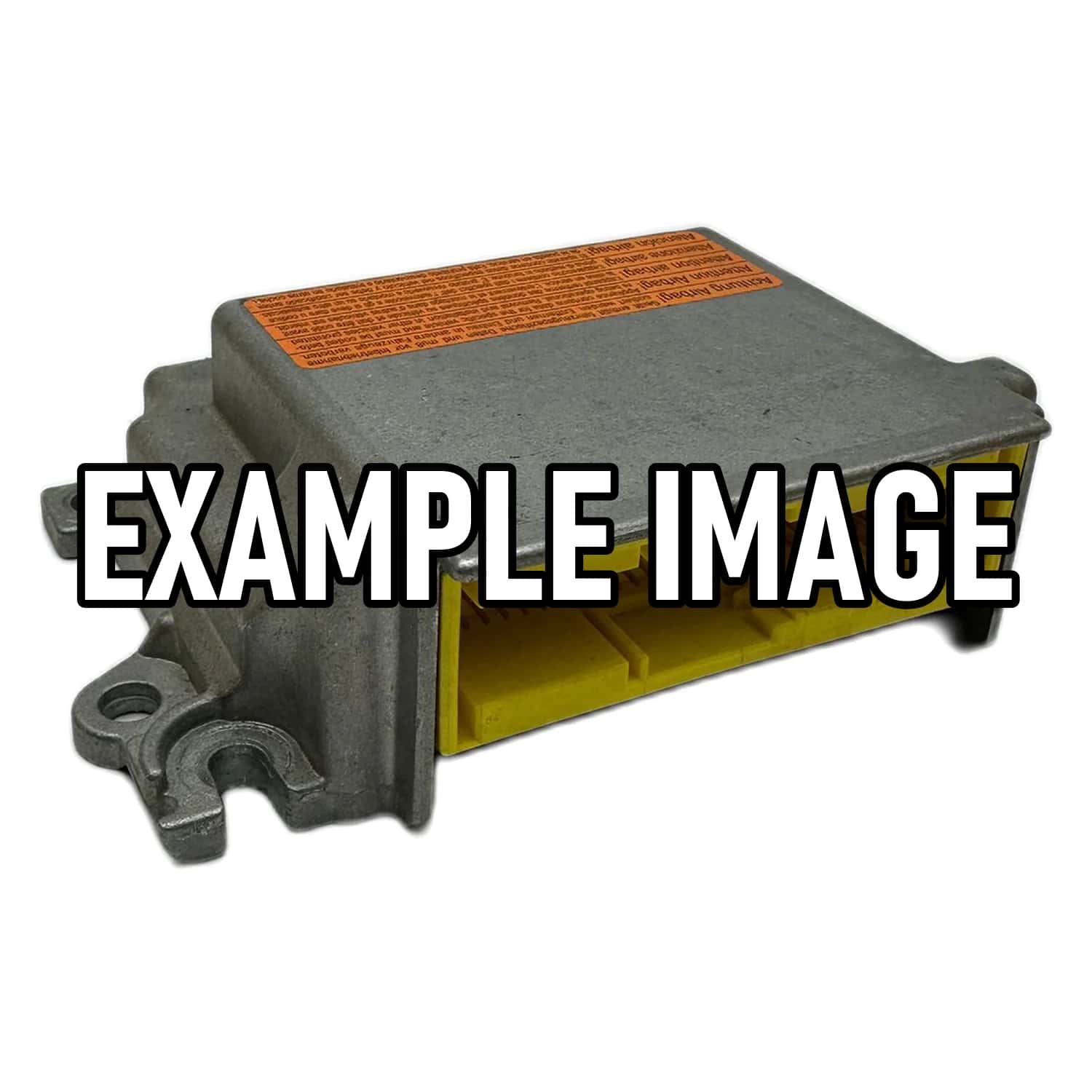
Defective airbag control units, often referred to as SRS modules, can store crash data after an accident or malfunction. For proper function, it is critical to reset, repair, or, if necessary, replace these control units after an incident.
Which Chevrolet Lumina generations are there?
The Chevrolet Lumina was produced in two main generations, each using different airbag control units. The evolution of the safety system reflects technological advances from 1989 to 2001.
The first generation of the Chevrolet Lumina, produced from 1989 to 1994, was front-wheel drive and offered a range of engines, from the 2.2-liter inline four-cylinder to the 3.4-liter V6. It established the Lumina as a reliable family car in the American midsize segment.
With the second generation, which rolled off the production line from 1994 to 2001, the Lumina received a new, sportier design and was available exclusively with V6 engines (3.1-liter and 3.4-liter). The two-door model was renamed the Monte Carlo during this period, while the four-door Lumina continued to appeal to family buyers.
Each of these generations introduced its own technical specifications and design features, which also affected the design and compatibility of the installed airbag control units. The further development of safety systems reflects the state of the art at the time.
How do I identify my Chevrolet Lumina airbag control unit?
Chevrolet Lumina airbag control units can be uniquely identified by part number, model year, and vehicle identification number (VIN). Each generation uses specific control unit variants for optimal compatibility with the respective vehicle system.
The part number is the most important identifier for your airbag control unit and is usually located directly on the module itself. It is crucial for finding the exact replacement or repair part and ensuring correct function in the vehicle.
In addition, the exact year of your Chevrolet Lumina and the vehicle identification number (VIN) play an important role in determining the correct control unit variant. This information helps verify compatibility with your vehicle's specific electronics and airbag systems.
Given the differences in technical specifications between the first and second generation Lumina, accurate identification of the control unit is essential. This prevents compatibility issues and ensures full functionality of the security system after a repair or replacement.
What airbag equipment does the Chevrolet Lumina have?
The airbag configuration of the Chevrolet Lumina varies depending on the model year and trim level. While early models use basic airbag systems, newer generations feature enhanced safety packages with additional airbag modules and support features.
In the first generation of the Chevrolet Lumina, produced from 1989 to 1994, the driver-side airbag became increasingly standard. This was an important step toward improved occupant safety in midsize vehicles of that era.
The second generation of the Lumina (1994-2001) saw further developments in safety features. Airbags and ABS (anti-lock braking system) increasingly became standard equipment in higher trim levels, such as the sportier LTZ version.
Designed as a family vehicle, the Chevrolet Lumina placed a premium on safety and comfort. Over the years of production, more airbags and supporting safety systems were gradually integrated to meet the needs and expectations of the target audience, as well as increasing safety standards.
Common fault codes in this category
Shipping & repair from Germany
Airbag24 repairs your component in Berlin — usually within 3–4 working days.
Standard shipping within Germany is free; we normally return your part by UPS.
You pay for and insure the inbound shipment to us. On explicit request we ship by express — the extra cost is borne by the customer.
If you withdraw from the contract, you bear the cost of returning the item.