
Chevrolet Malibu airbag control unit repair(5)
What should I look out for with Chevrolet Malibu airbag control units?
The airbag technology used in the Chevrolet Malibu varies considerably depending on the model year and generation. When repairing airbag control units for the Chevrolet Malibu, the specific system architecture of the respective model year is crucial to ensure professional restoration of functionality.
The Chevrolet Malibu looks back on an impressive production history of nine generations, spanning from 1964 to 2025. After a production hiatus from 1983 to 1997, the Malibu was successfully relaunched as a standalone, modern front-wheel drive model.
These different production periods represent a constant evolution of vehicle technology, including complex safety components. While early Malibu models featured basic airbag systems, newer generations integrated increasingly complex safety packages with multiple airbags and seatbelt pretensioners.
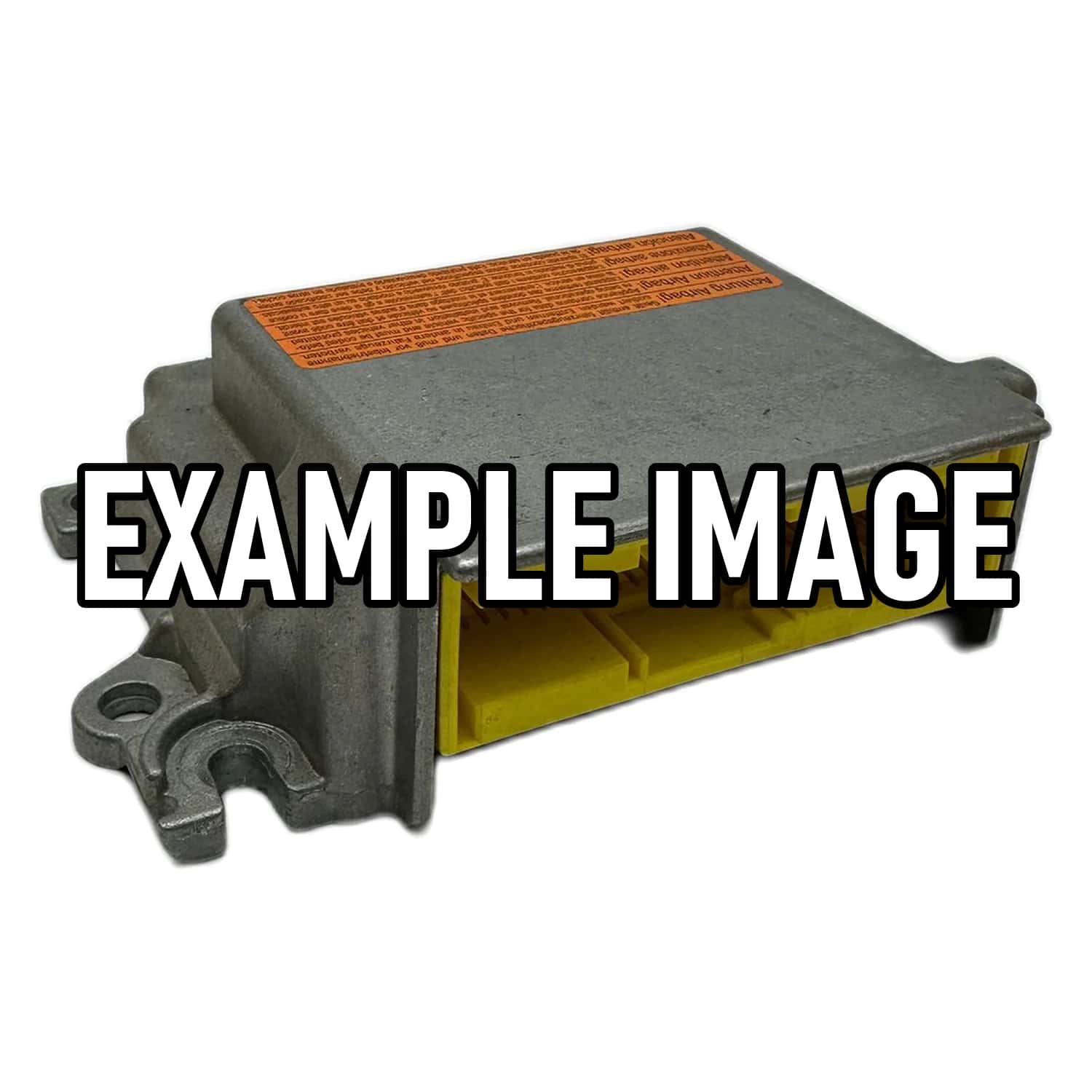
The airbag control unit, often referred to as the Sensing Diagnostic Module (SDM), is the heart of these systems. Its flawless functionality is absolutely crucial for occupant safety in the event of an accident. With each model generation, the airbag systems, and thus also the control units, have been further developed to meet ever-increasing safety standards.
Which Chevrolet Malibu generations are there?
The Chevrolet Malibu has been produced in nine different generations, each of which uses specific airbag control unit variants. The evolution of the Malibu's safety system reflects technological advances from the first models in 1964 to the final models around 2025.
The first generation of the Malibu (1964–1967) began as a more luxurious trim level of the Chevrolet Chevelle line. After a more distinctive fourth generation (1978–1983), there was a hiatus in production before the Malibu was relaunched as a modern front-wheel-drive sedan in 1997.
The fifth generation (1997–2003) established the Malibu as an affordable and reliable mid-size sedan. Later generations, such as the sixth (2004–2007) based on the global Epsilon platform and the modern ninth generation (until 2024/25), benefited from advanced platforms and the latest safety technologies.
Each of these nine generations brought with it not only specific design and drivetrain features, but also adapted airbag systems. This means that a fifth-generation airbag control unit is, in most cases, incompatible with a ninth-generation unit.
This variety of models requires precise knowledge of the respective generation during repair in order to identify the correct control unit and carry out the repair with specific expertise.
How do I identify my Chevrolet Malibu airbag control unit?
Chevrolet Malibu airbag control units can be reliably identified using the part number on the unit, the exact year of manufacture, and the complete vehicle identification number (VIN). Each generation of the Malibu uses specific control unit variants that are crucial for optimal compatibility and functionality in the vehicle.
Accurately identifying the airbag control unit is a critical step for a successful and safe repair. The control unit part number is usually found on a label or sticker on the unit's casing and provides detailed information about the specific model and software version.
The location of the control unit in the vehicle can also vary depending on the Malibu generation. In many newer models, such as the ninth generation from 2017 to 2019, the airbag control unit is often installed under one of the front seats or in the center console.
These specific installation locations require special removal procedures and strict safety instructions. Disconnecting the vehicle battery is always the first and most important step to prevent accidental deployment of the airbag system during work.
What airbag equipment does the Chevrolet Malibu have?
The airbag configuration of the Chevrolet Malibu varies significantly depending on the model year, the specific model generation, and the selected trim level. While earlier models used more basic airbag systems, newer generations feature comprehensive and advanced safety packages with a variety of airbag modules and sensors.
Modern Chevrolet Malibu models come standard with a comprehensive airbag system, typically including front airbags for the driver and front passenger, side airbags for the upper body, and full-length curtain airbags for head protection. This is complemented by pyrotechnic seatbelt pretensioners that further secure the occupants in the event of a collision.
The central airbag control unit (SDM) is the control unit that processes all sensor data and coordinates the deployment of these components in the event of an impact. The sensors are strategically placed throughout the vehicle to precisely detect the severity and direction of an impact.
In older generations of the Chevrolet Malibu, such advanced safety components were often optional or not available at all. In these cases, the equipment was usually limited to front airbags, which must be taken into account when repairing the airbag control unit, as the system architecture is less complex.
Repairing and replacing an airbag control unit requires the utmost precision and expertise. Following all safety protocols is crucial, as the system is ready to deploy at any moment, and mishandling could result in serious injury or damage.
Common fault codes in this category
Shipping & repair from Germany
Airbag24 repairs your component in Berlin — usually within 3–4 working days.
Standard shipping within Germany is free; we normally return your part by UPS.
You pay for and insure the inbound shipment to us. On explicit request we ship by express — the extra cost is borne by the customer.
If you withdraw from the contract, you bear the cost of returning the item.