
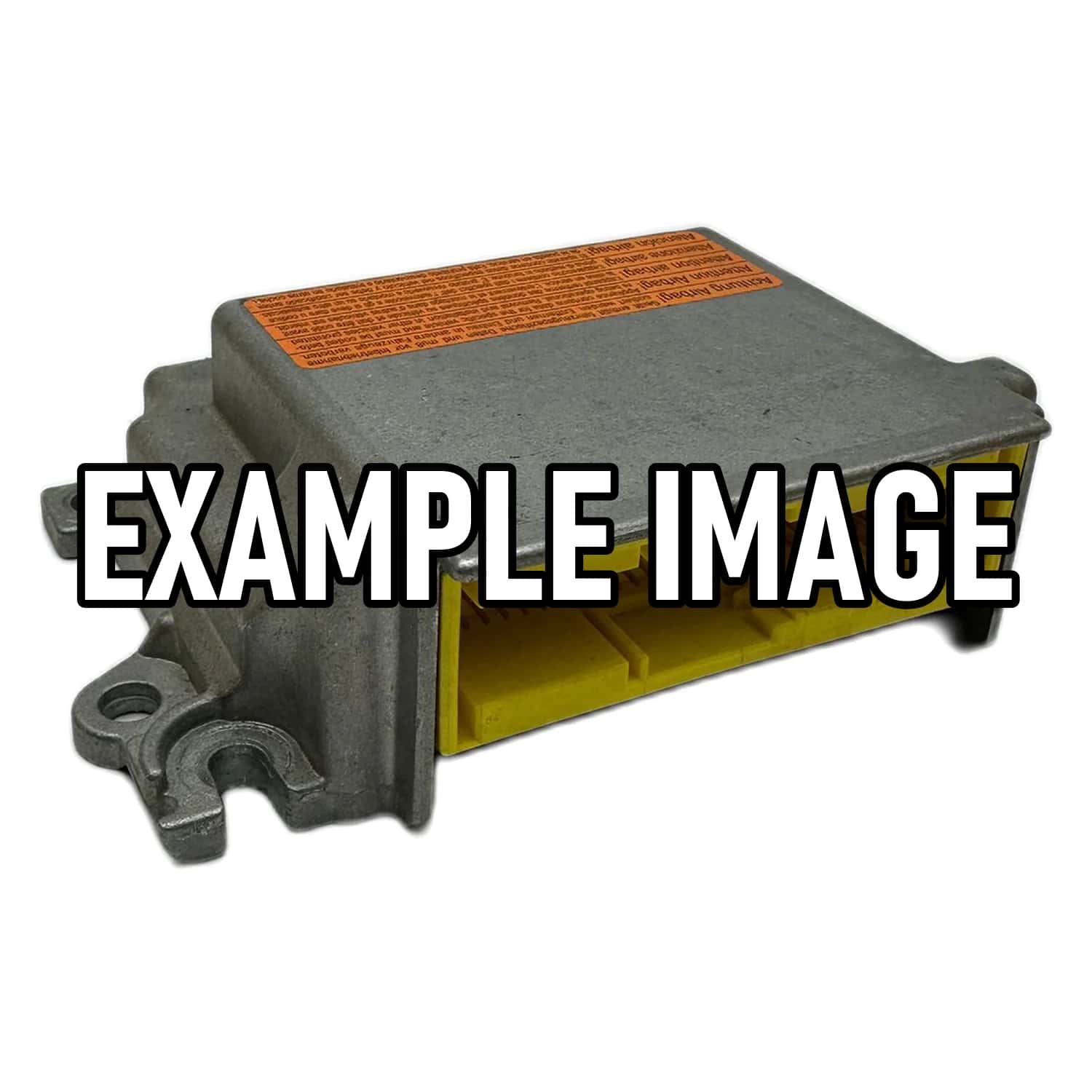
Chevrolet Matiz airbag control unit repair(2)
2 products
What should I pay attention to with Chevrolet Matiz airbag control units?
The airbag technology used in the Chevrolet Matiz varies depending on the model year and generation. Airbag control units for all Chevrolet Matiz generations can be professionally repaired with original functionality.
The Chevrolet Matiz, originally conceived as the Daewoo Matiz, was marketed in Europe under the Chevrolet brand from 2004. Designed as a compact subcompact for urban traffic, it underwent several revisions and generations during its production run.
The development of the Matiz's airbag systems reflects the general advances in vehicle safety. While early models met basic safety requirements, later generations and trim levels incorporated improved or additional airbag components.
Which Chevrolet Matiz generations are there?
The Chevrolet Matiz has been produced in at least two clearly defined generations, with other, less documented generations (third and fourth) also appearing on the market. Each of these generations typically uses different airbag control units, adapted to the respective electronic architecture.
The first generation (internal designations M100/M150) was produced in some markets, particularly in Uzbekistan, from 2004 to around 2018. This early version formed the basis for the Matiz in Europe and laid the foundation for its popularity as an affordable and agile city car.
The second generation (M200/M250) followed around 2005 and was offered until around 2010, sometimes also known as the Chevrolet Spark Life. This generation brought visual and technical innovations that also influenced the airbag system.
Although less comprehensively documented, references to a third and fourth generation of the Chevrolet Matiz also exist in the aftermarket. These models represent further evolutionary stages and may feature specific modifications to the electronics and safety systems.
Accurate knowledge of the generation is crucial, as each revision can change the specifications and internal logic of the airbag control units. This affects both the number of connected airbags and the interfaces to the vehicle electronics.
How do I identify my Chevrolet Matiz airbag control unit?
Chevrolet Matiz airbag control units can be most reliably identified by the part number on the unit, the vehicle's year of manufacture, and, if applicable, the vehicle identification number (VIN). Each Matiz generation, and even facelifts within a generation, can use specific control unit variants.
The part number is the primary means of identification, as it is printed directly on the control unit. It provides information about the manufacturer, model series, and specific configuration of the device.
The vehicle's model year is also an important factor, as airbag technology and associated control units have evolved over the years. A control unit from a first-generation model is generally not compatible with a second-generation vehicle.
The Vehicle Identification Number (VIN) provides additional security, as it contains detailed information about the specific vehicle and its factory-fitted equipment. The VIN allows the precise components of the airbag system and thus the appropriate control unit to be identified.
What airbag equipment does the Chevrolet Matiz have?
The airbag configuration of the Chevrolet Matiz varies greatly depending on the vehicle's year of manufacture, generation, and trim level. While the base trim always met the required minimum passive safety requirements, higher-end versions offered additional protection features.
In the early model years and the first generation of the Chevrolet Matiz, driver and passenger airbags were typically installed as standard equipment. This met the safety standards for small cars at the time and provided basic protection in frontal impacts.
With the development of the second generation and later model years, additional airbags became available, depending on the market and the selected trim level. These often included side airbags designed to protect occupants in a side impact.
Head airbags or advanced safety packages were less frequently standard in the Chevrolet Matiz class, but could be offered in certain trim levels or as an option. As an affordable city car, the focus was on solid basic equipment.
The number and type of airbags installed in the vehicle directly influences the airbag control unit. Each control unit is specifically programmed and designed for the number of connected airbags and seatbelt pretensioners, which is why precise identification is essential during repairs.
Common fault codes in this category
Shipping & repair from Germany
Airbag24 repairs your component in Berlin — usually within 3–4 working days.
Standard shipping within Germany is free; we normally return your part by UPS.
You pay for and insure the inbound shipment to us. On explicit request we ship by express — the extra cost is borne by the customer.
If you withdraw from the contract, you bear the cost of returning the item.