
Citroën C-Elysée airbag control unit repair(1)
1 product
What should be considered with Citroën C-Elysée airbag control units?
The airbag technology used in the Citroën C-Elysée varies depending on the model year and market region. Airbag control units for all Citroën C-Elysée generations can be professionally repaired with original functionality to restore your vehicle's full safety.
The Citroën C-Elysée was launched in 2012 and has been in continuous production ever since, relying on the proven PSA PF1 platform. This long production run and its global distribution, particularly in emerging markets, mean that various versions of airbag control units are in circulation.
Around 2016/2017, the C-Elysée received a facelift that also included engine and equipment updates. Such revisions can bring subtle but important changes to the electronics and safety modules, such as the airbag control unit.
The vehicle is known for its robustness and durability, even under demanding conditions, which also applies to the resilience of its electronic components. However, a defective airbag control unit requires precise diagnosis and professional repair.
Which Citroën C-Elysée generations are there?
The Citroën C-Elysée has been produced in one main generation since 2012, which received a major facelift around 2016/2017. Each generation can use different airbag control units, reflecting technological advances from 2012 to the latest models.
The first generation of the Citroën C-Elysée launched in 2012 and is closely related to the Peugeot 301, as both models are based on the same PSA PF1 platform. This series is listed in our shop as "citroen-c-elysee-i" and covers the early model years.
A significant facelift took place around 2016/2017, primarily for the European market, which modernized the appearance and introduced new engines. Although not a completely new generation, these updates may have affected the installed airbag control units to ensure compatibility with new sensors or vehicle systems.
The basic architecture of a compact notchback sedan with generous interior and trunk space (506 liters) has remained constant over the years. This underscores the C-Elysée's design as a practical and reliable vehicle for price-conscious customers and for use as a taxi or company car.
How do I identify my Citroën C-Elysée airbag control unit?
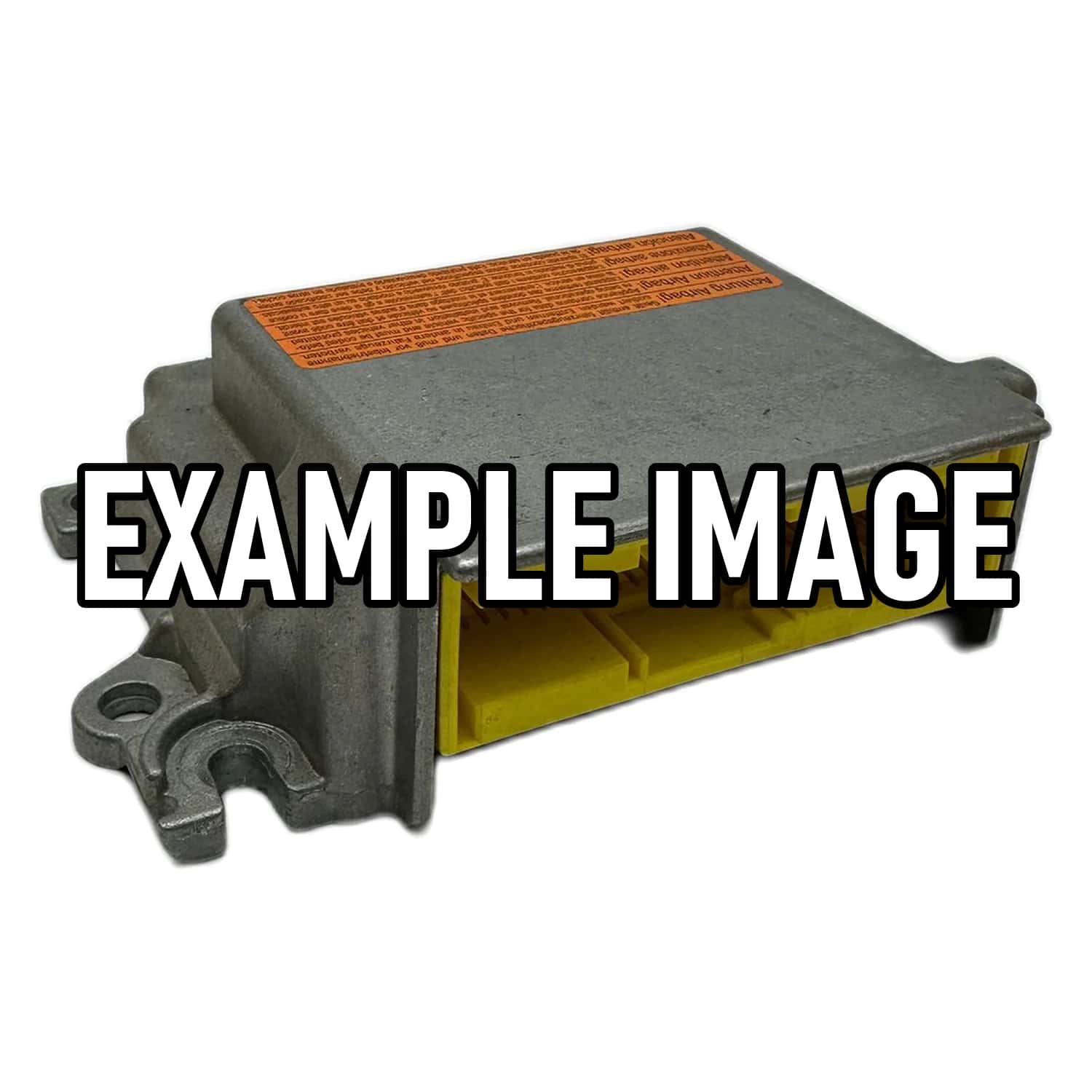
Citroën C-Elysée airbag control units can be uniquely identified by part number, year of manufacture, and vehicle identification number (VIN). Each generation and model update uses specific control unit variants for optimal compatibility and functionality of the safety system.
The part number is located directly on the housing of the airbag control unit and is the most important identifier. It is crucial to read this number correctly to ensure compatibility with your vehicle model and year.
The exact year of manufacture of your Citroën C-Elysée also plays a role, as adjustments to the control units may have been made even within the first generation or after the facelift. The vehicle identification number (VIN) also provides precise information about the origin and equipment of your specific vehicle.
Given global production and regional variations in equipment, precise identification of the control unit is essential. A correctly identified and repaired control unit ensures full airbag functionality in an emergency.
What airbag equipment does the Citroën C-Elysée have?
The base Citroën C-Elysée comes standard with a solid safety package, including six airbags. While early and current models offer a similarly extensive range of standard features, additional airbag modules or enhanced safety packages are not typical for this model.
The Citroën C-Elysée, especially the models offered in Europe and the "Selection" variant, comes factory-equipped with comprehensive passive safety features. This includes six airbags as standard: driver and passenger airbags, as well as side airbags for the front passengers.
This equipment underscores Citroën's commitment to providing an adequate level of safety, even in the compact class. In addition to airbags, ABS and other basic driving safety systems are standard.
Due to the C-Elysée's positioning as an affordable and functional sedan, there was no mention of extensive optional airbag packages. The standard six-airbag configuration is already considered solid and sufficient for this vehicle class, simplifying the repair and replacement of the associated airbag control units.
Common fault codes in this category
Shipping & repair from Germany
Airbag24 repairs your component in Berlin — usually within 3–4 working days.
Standard shipping within Germany is free; we normally return your part by UPS.
You pay for and insure the inbound shipment to us. On explicit request we ship by express — the extra cost is borne by the customer.
If you withdraw from the contract, you bear the cost of returning the item.