
Honda Pilot airbag control unit repair(4)
4 products
What should I consider with Honda Pilot airbag control units?
The airbag technology used in the Honda Pilot varies by model year. Airbag control units for the Honda Pilot require professional repair that addresses the specific requirements of each generation to ensure original functionality.
The Honda Pilot, designed as a spacious family SUV since 2002, has undergone continuous technological development over four generations. With each model change, not only were the design and engine updated, but the passive safety systems were also comprehensively optimized.
The evolution of the airbag system in the Honda Pilot reflects the advances in vehicle safety. From basic front and side airbags in the first generation to sophisticated systems with intelligent sensors and curtain airbags for all three rows of seats in the latest models, the complexity of airbag control units has continuously increased. A proper repair must carefully consider these specific differences between the respective model years and the associated technologies of the Honda Pilot airbag control unit.
Which Honda Pilot generations are there?
The Honda Pilot has been produced in four main generations, each with different airbag control units. The evolution of the safety system reflects technological advances from 2002 to the current model line.
The first generation of the Honda Pilot (2002-2008) established the model as a versatile mid-size SUV with a focus on family-friendliness and basic safety features. These models featured airbag control units designed to the standards of the time.
The second generation (2008-2015) saw a comprehensive redesign of the Pilot, which also featured improved airbag systems and optimized sensor technology. The third generation (2015-2022) continued this trend, additionally integrating advanced driver assistance systems that are closely linked to the airbag control unit.
The current, fourth-generation Honda Pilot (since 2022) represents the latest state-of-the-art technology, with state-of-the-art airbag systems and comprehensive safety features designed to provide maximum occupant safety. Each of these generations requires specific expertise and the use of appropriate components when repairing the airbag control unit.
How do I identify my Honda Pilot airbag control unit?
Honda Pilot airbag control units can be uniquely identified by part number, year of manufacture, and vehicle identification number (VIN). Each generation uses specific control unit variants for optimal compatibility with the respective vehicle model and its equipment.
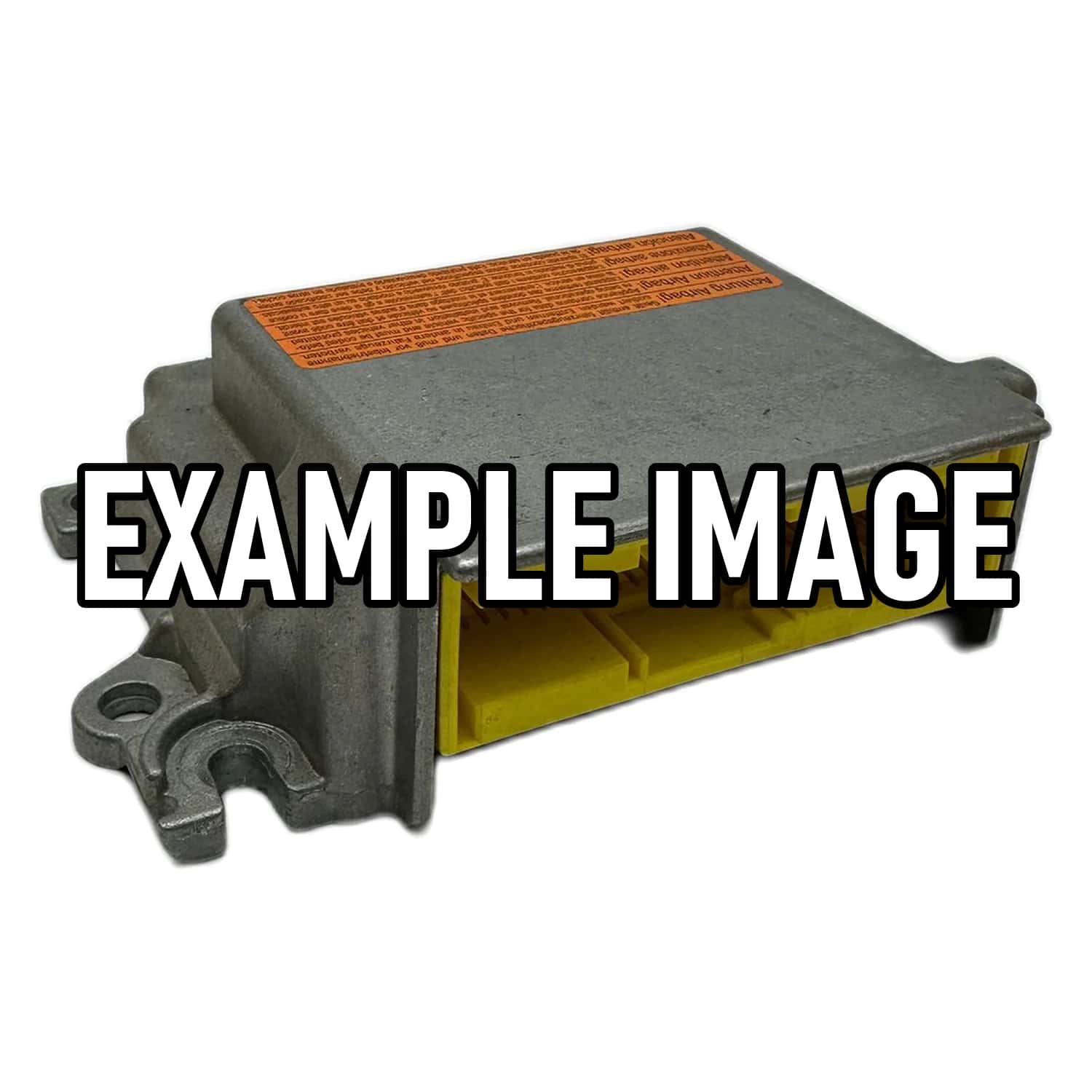
The airbag control unit part number is the most important identifier and is located directly on the module's housing, which is usually located under the center console or driver's seat. This number provides information about the control unit's exact specification and compatibility with the specific Honda Pilot model, whether it's the first, second, third, or fourth generation.
Additionally, the exact year of your Honda Pilot and the full vehicle identification number can help determine the correct version of the airbag control unit. This is especially important because the Honda Pilot, which is primarily produced for the North American market, has received various equipment and safety upgrades over the years that can affect the airbag control units.
What airbag equipment does the Honda Pilot have?
The Honda Pilot's airbag configuration varies considerably depending on the model year and trim level. While early models used basic airbag systems, newer generations feature enhanced safety packages with additional airbag modules and intelligent deployment mechanisms.
The first generation of the Honda Pilot (2002-2008) came standard with front and side airbags for the front passengers, supplemented by curtain airbags that spanned all three rows of seats. This already provided a solid baseline of protection for the primary target group: families seeking a spacious SUV.
With the second generation (2008-2015) and especially the third generation (2015-2022), airbag equipment was continuously improved. These often included more advanced airbag systems, such as more intelligent crash sensors or airbag deployment adjusted to the severity of the impact. Third-generation models also often benefit from integrated safety systems such as Honda Sensing, which encompass a variety of driver assistance functions and are indirectly linked to the overall functionality of the airbag control unit.
The current fourth-generation Honda Pilot (since 2022) offers the most comprehensive airbag configuration, ensuring state-of-the-art protection features for all occupants. In addition to the mandatory front, side, and curtain airbags, these often also include knee airbags or special impact sensors that further optimize occupant protection. Repairing a defective airbag control unit therefore requires a thorough understanding of these varying configurations to restore the full functionality of your Honda Pilot's complex safety system.
Shipping & repair from Germany
Airbag24 repairs your component in Berlin — usually within 3–4 working days.
Standard shipping within Germany is free; we normally return your part by UPS.
You pay for and insure the inbound shipment to us. On explicit request we ship by express — the extra cost is borne by the customer.
If you withdraw from the contract, you bear the cost of returning the item.