
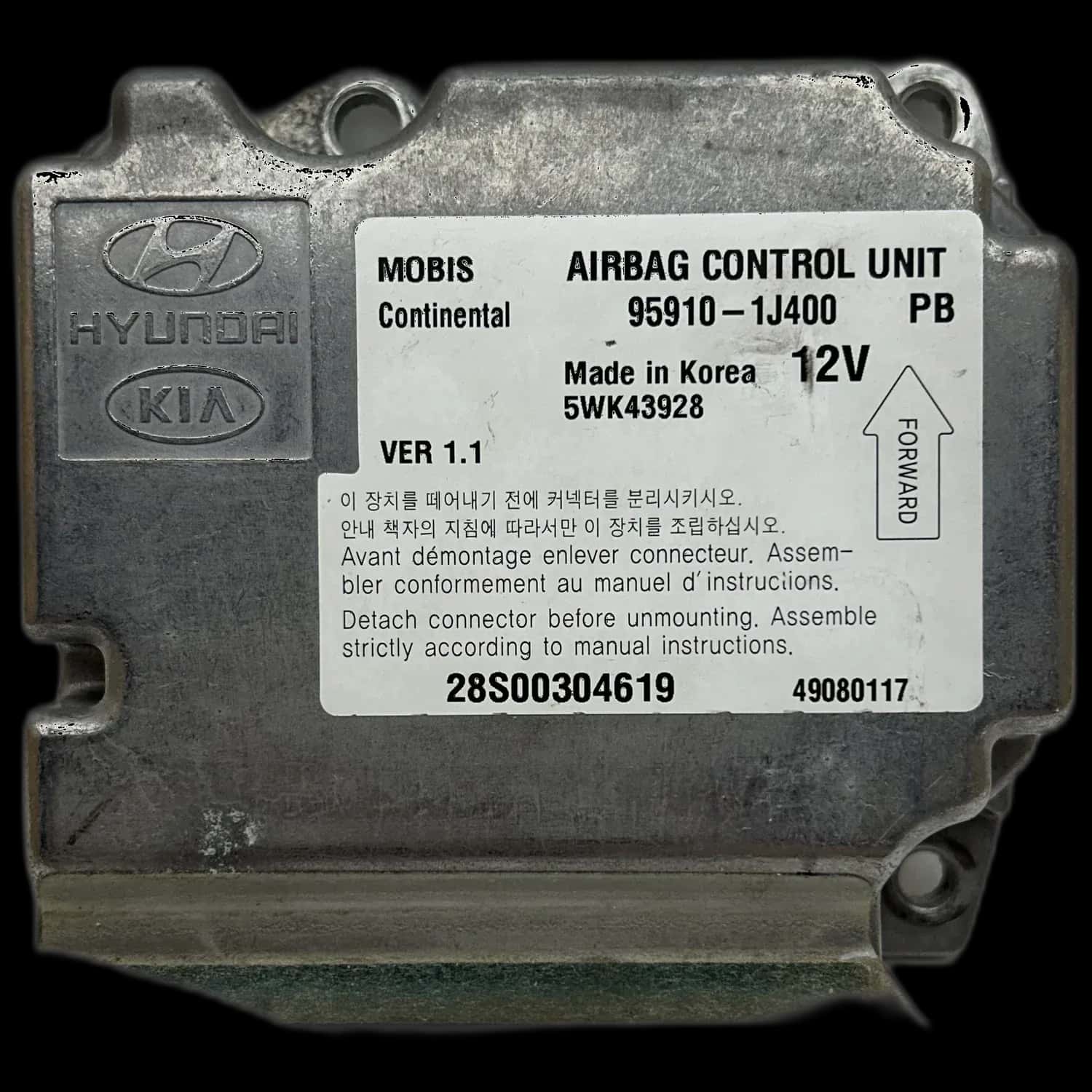
Hyundai i20 airbag control unit repair(3)
What should I pay attention to with Hyundai i20 airbag control units?
The airbag technology used in the Hyundai i20 varies depending on the model year and generation. Professional repair of defective airbag control units is crucial to ensuring your vehicle's original functionality and safety standards.
The Hyundai i20 has undergone continuous development since its launch in 2008. This applies not only to design and comfort, but also to key safety components, including the airbag control unit.
Over the course of the various generations—from the first PB series through the second GB series to the current third BC series—the airbag systems have been continuously improved and adapted to the latest safety standards. This means that the installed airbag control units have specific characteristics for each model year.
Which Hyundai i20 generations are there?
The Hyundai i20 has been produced in at least four main generations since 2008, with each generation using specific airbag control unit variants. The development of the safety system reflects the technological advances from 2008 to the present.
The first generation, known as the Hyundai i20 PB, was manufactured from approximately 2008/2009 to 2014. It laid the foundation for the model's success in the B-segment of small cars.
The second generation, the Hyundai i20 GB, was launched in 2014 and was produced until 2020, including a facelift in 2018 that introduced modern features.
The third generation, the Hyundai i20 BC, has been available since 2020 and received another facelift in 2023. Each of these series is characterized by its own technical specifications and corresponding airbag control units, which were developed for optimal compatibility with the respective vehicle model.
How do I identify my Hyundai i20 airbag control unit?
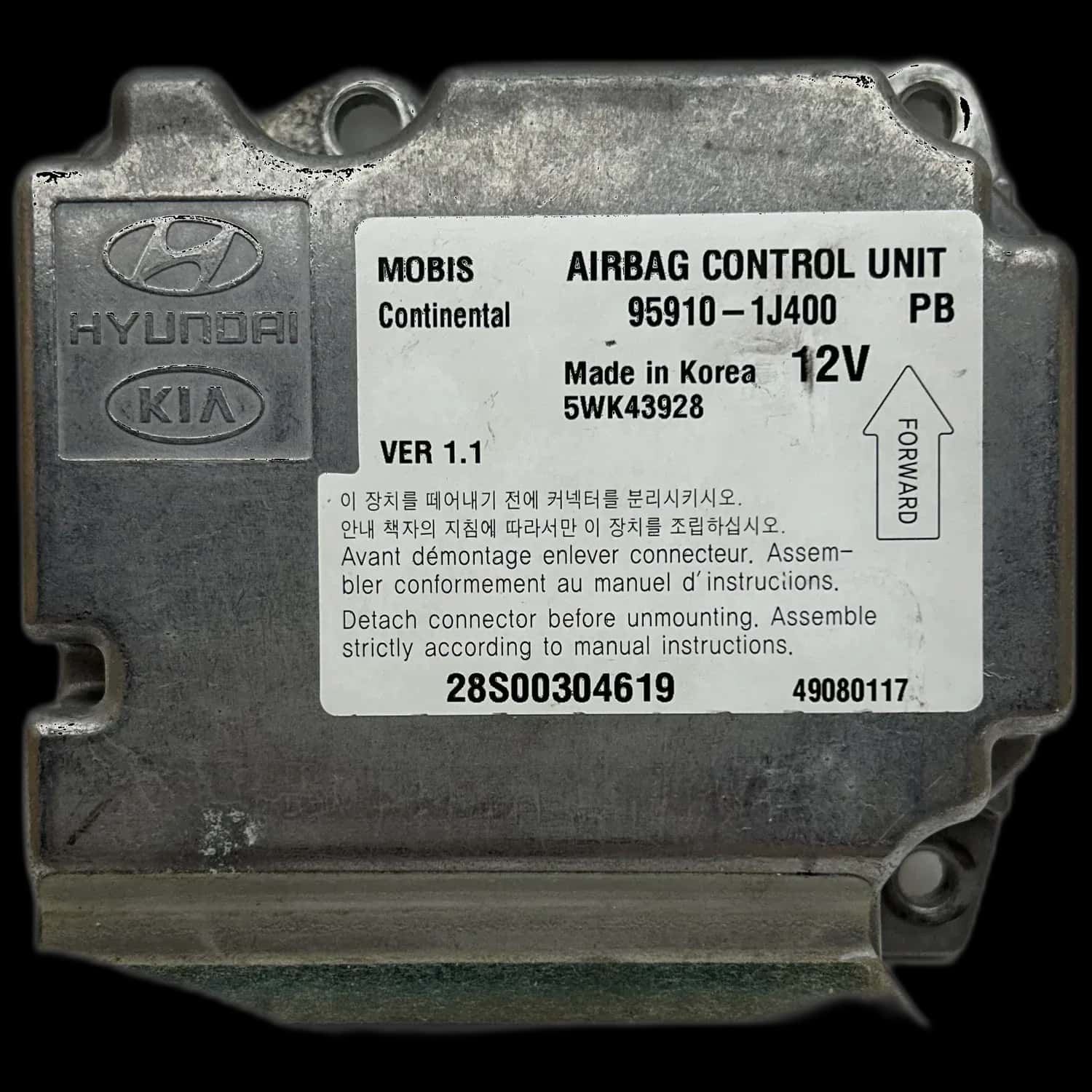
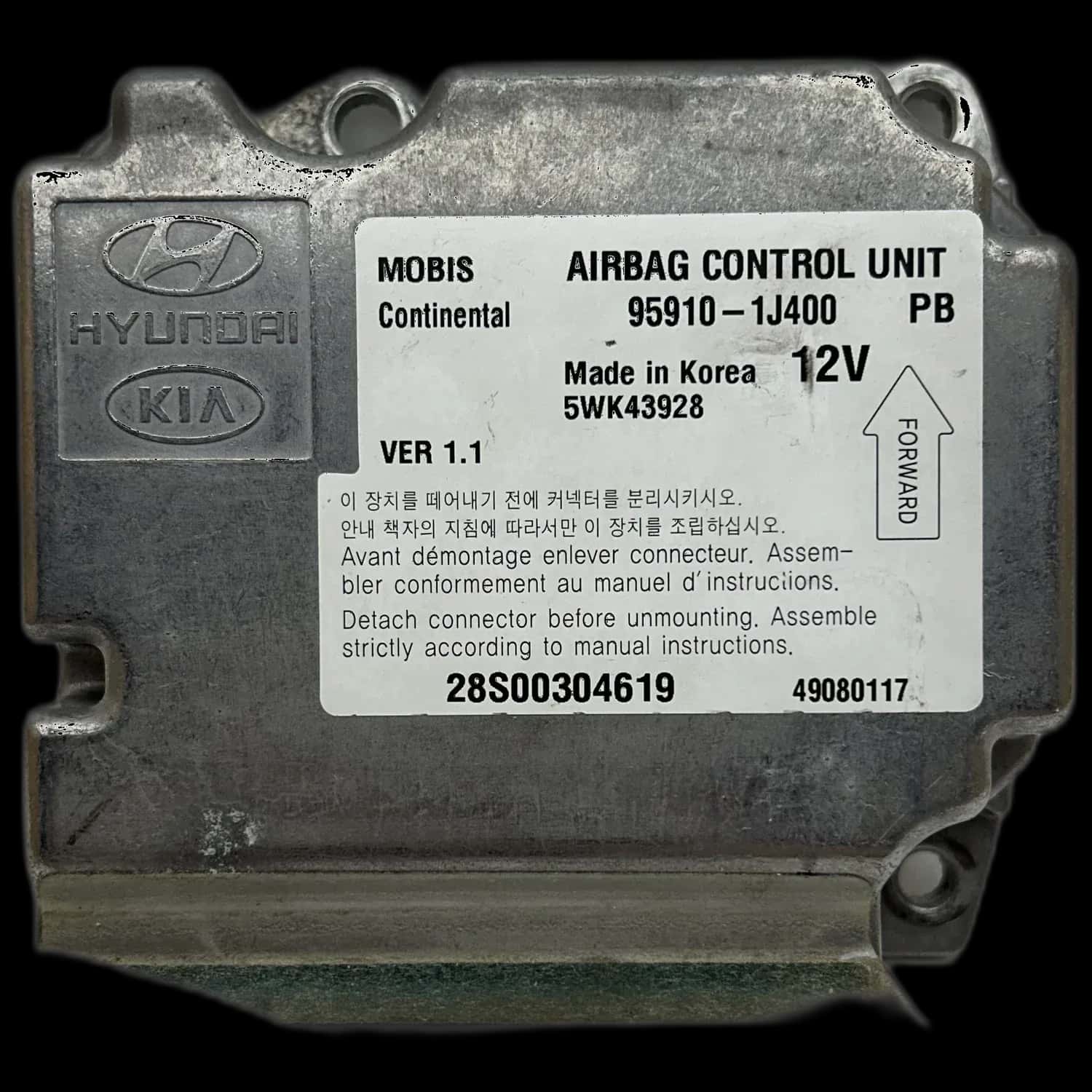
Hyundai i20 airbag control units can be identified by their unique part number, vehicle year, and vehicle identification number (VIN). This information is essential for determining the correct control unit for your specific model and generation.
Since each Hyundai i20 generation, and even some facelifts, uses specific control unit variants, precise identification is essential. The part number of the airbag control unit can usually be found directly on the unit itself, often after removal.
A comparison with the model year and VIN of your Hyundai i20, whether it's a PB, GB, or BC series model, ensures compatibility. This ensures that repairing or replacing the defective control unit will restore the airbag system to full functionality.
What airbag equipment does the Hyundai i20 have?
The airbag equipment of the Hyundai i20 has continuously evolved over the years and varies depending on the model year and trim level. While early models used solid basic airbag systems, newer generations feature enhanced safety packages with additional airbag modules and advanced assistance systems.
The first generation of the Hyundai i20 (PB series) was already equipped with basic airbags to ensure occupant safety. The airbag control units of these models are designed to control these basic systems.
With the introduction of the second generation (GB series from 2014), the safety features were significantly expanded. These typically come with at least six airbags as standard, including driver and passenger airbags, side airbags, and curtain airbags. In addition, modern safety assistants such as autonomous emergency braking and lane departure warning systems are often integrated as standard, increasing the complexity of control by the airbag control unit.
The current third generation (BC series from 2020) continues this trend and offers even more comprehensive passive and active safety features. Six or more airbags are standard here, too, complemented by a host of driver assistance systems that work closely with the central airbag control unit to provide optimal protection in an emergency. Common problems with the airbag control unit, such as error code B1346, are often due to defects in the unit itself or in surrounding components, such as the slip ring.
Shipping & repair from Germany
Airbag24 repairs your component in Berlin — usually within 3–4 working days.
Standard shipping within Germany is free; we normally return your part by UPS.
You pay for and insure the inbound shipment to us. On explicit request we ship by express — the extra cost is borne by the customer.
If you withdraw from the contract, you bear the cost of returning the item.