
Hyundai Nexo airbag control unit repair(2)
2 products
What should I pay attention to with Hyundai Nexo airbag control units?
The airbag technology used in the Hyundai Nexo varies depending on the model year. A professional repair of the airbag control unit for all Hyundai Nexo generations ensures original functionality and safety.
The Hyundai Nexo, on the market since 2018, is a groundbreaking hydrogen fuel cell electric vehicle (FCEV) that combines cutting-edge technologies. As a high-tech SUV, Hyundai places particular emphasis on comprehensive safety features controlled by intelligent airbag systems.
Due to the advanced electronics and sensors developed specifically for FCEV models, repairing a defective airbag control unit in a Hyundai Nexo requires specialized expertise. It is crucial that the repair is carried out according to the manufacturer's specifications to ensure the full functionality of the safety system.
A failure of the airbag control unit can significantly compromise vehicle safety and is often signaled by an illuminated airbag warning light. A timely and professional repair of the Hyundai Nexo airbag control unit is therefore essential to restore driving safety.
Which Hyundai Nexo generations are there?
The Hyundai Nexo has been produced in two generations, each of which may use different airbag control units. The development of the safety system reflects technological advances from 2018 to the present.
The first generation of the Hyundai Nexo was produced from 2018 to 2024. This model established the Nexo as one of the pioneers in hydrogen mobility and was already characterized by advanced safety features.
The second generation of the Hyundai Nexo will launch in 2025. This new version features a revised, angular design and further modernized technical components. The airbag control units and underlying safety systems are also expected to be further developed to meet the latest standards.
The evolution between generations affects not only design and drive efficiency, but also the integrated safety systems. This can lead to differences in the hardware and software of the airbag control units, which must be taken into account when repairing defective units.
How do I identify my Hyundai Nexo airbag control unit?
Hyundai Nexo airbag control units can be uniquely identified by part number, model year, and vehicle identification number (VIN). Each generation, and possibly specific trim levels, use specific control unit variants for optimal compatibility.
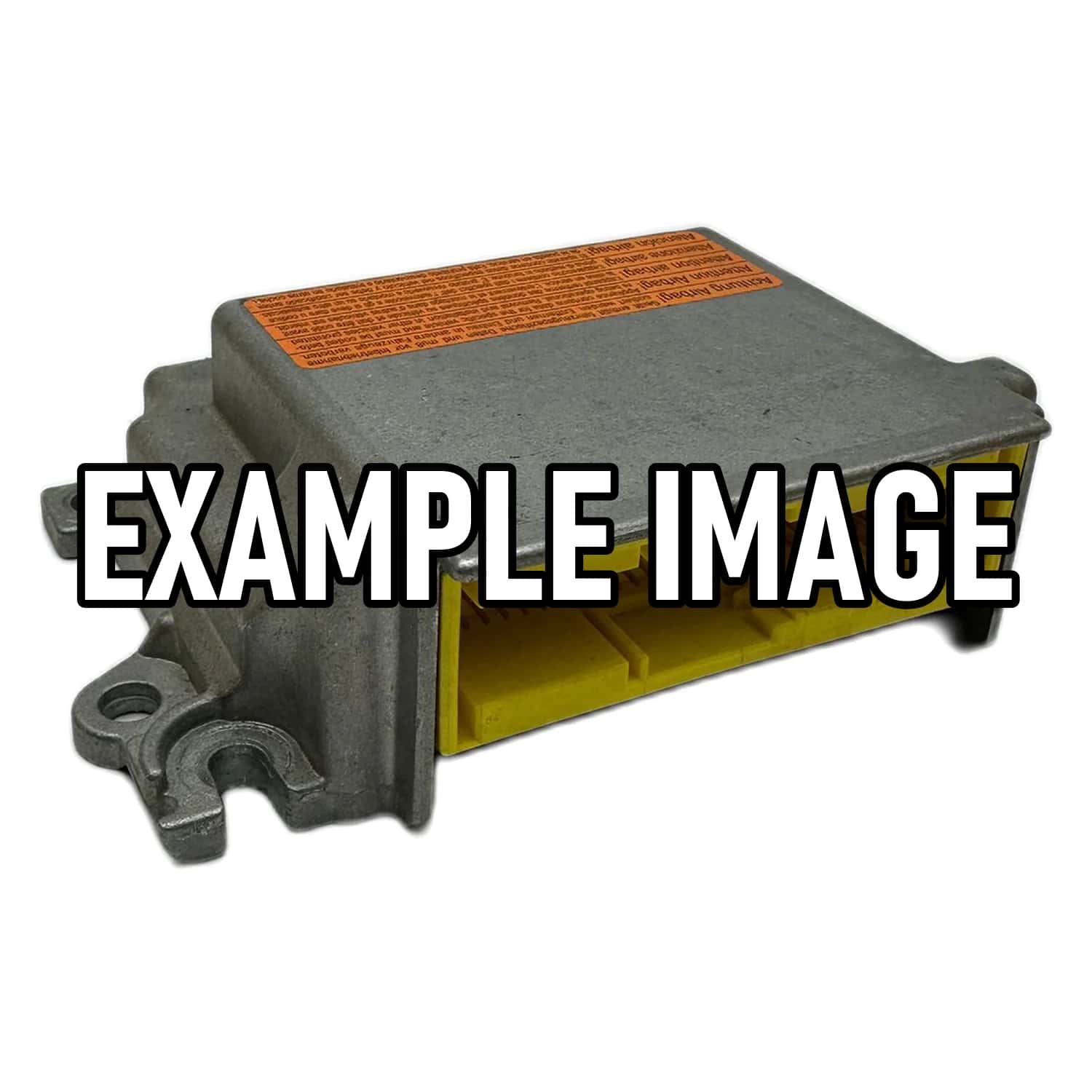
To ensure a precise repair or replacement of the airbag control unit, correct identification of the unit is of utmost importance. The control unit's part number is the most important reference; it is often printed directly on the component's housing.
In addition to the part number, the year of manufacture of your Hyundai Nexo and the full vehicle identification number (VIN) are crucial. This information allows you to verify the exact configuration of your vehicle and the compatibility of the specific airbag control unit, especially for first-generation models and the second-generation models launching in 2025.
Malfunctions can be caused by a faulty unit that requires a specific repair. Accurate identification helps ensure the correct procedure for correcting the defect and ensures that the repaired unit works perfectly with the other systems of the Hyundai Nexo.
What airbag equipment does the Hyundai Nexo have?
The Hyundai Nexo's airbag configuration varies depending on the model year and trim level, with "intelligent safety" always being the focus. As a modern FCEV, the Nexo features comprehensive airbag systems that go far beyond basic airbags.
The first generation of the Hyundai Nexo, produced from 2018 onwards, already offers extensive passive safety features. Front, side, and head airbags for the driver and front passenger are typically installed as standard in this vehicle class, ensuring a high level of protection in the event of a collision.
Hyundai explicitly promotes the Nexo with the concept of "intelligent safety," which suggests advanced airbag systems and sensors. This typically includes a sophisticated airbag control unit capable of detecting impact severity and optimally deploying the airbags in fractions of a second.
For future second-generation models from 2025 and for certain trim levels, additional enhanced safety packages may be available. These could include additional airbag modules or refined deployment algorithms to further optimize occupant protection and make control unit repair more complex.
Common fault codes in this category
Shipping & repair from Germany
Airbag24 repairs your component in Berlin — usually within 3–4 working days.
Standard shipping within Germany is free; we normally return your part by UPS.
You pay for and insure the inbound shipment to us. On explicit request we ship by express — the extra cost is borne by the customer.
If you withdraw from the contract, you bear the cost of returning the item.