

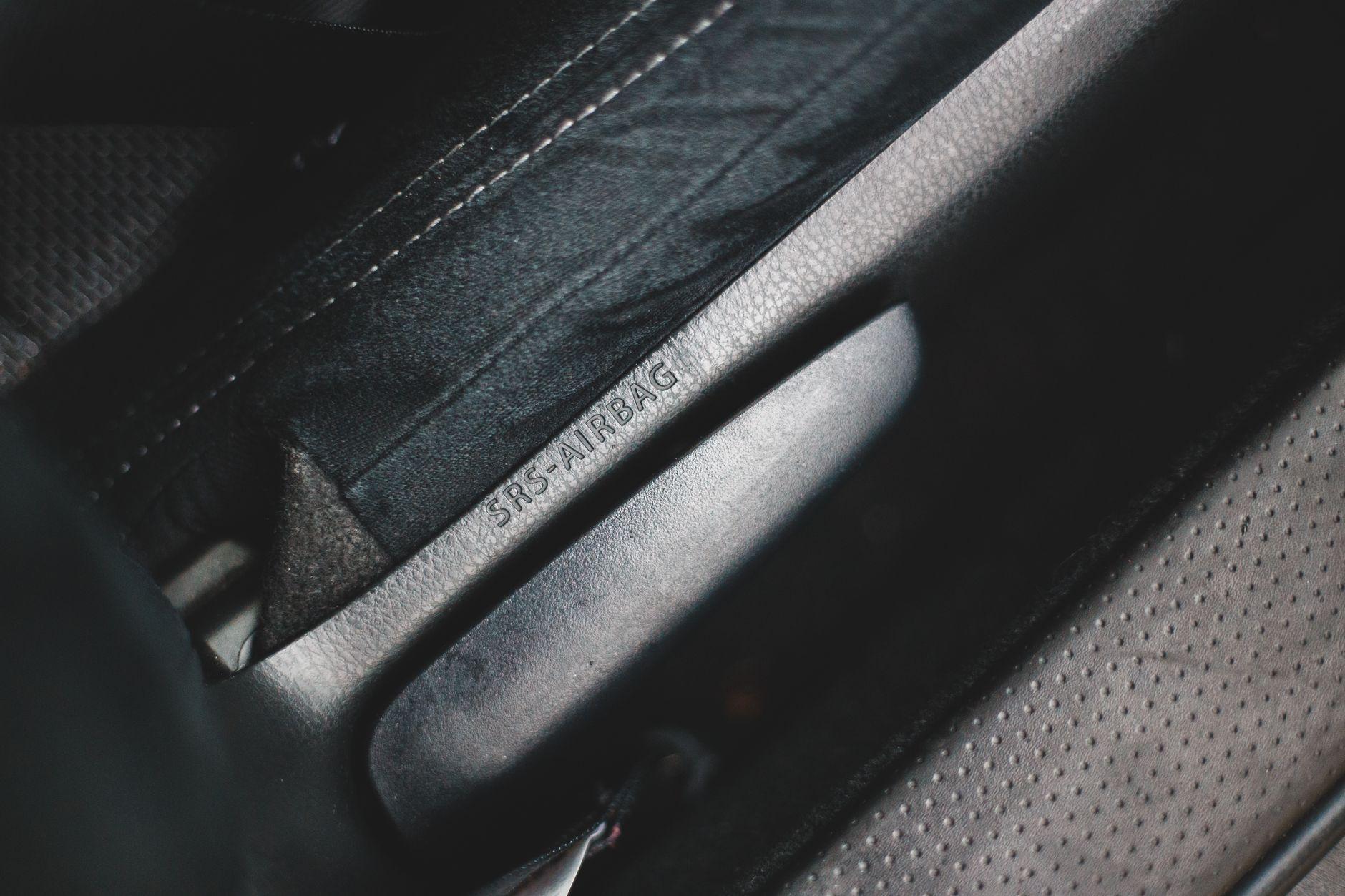
Hyundai XG airbag control unit repair(3)
What should be considered with Hyundai XG airbag control units?
The airbag technology used in the Hyundai XG varies depending on the year and model variant. A professional repair ensures true-to-original functionality and full restoration of the safety systems.
The Hyundai XG, introduced in 1999 as the third generation of the successful Hyundai Grandeur series, was produced until approximately 2005/2006. As a four-door notchback sedan in the upper mid-size class, the XG was aimed at customers who valued comfort, upscale features, and comprehensive safety.
Throughout its production run, the Hyundai XG benefited from continuous development of its passive safety systems. While front and side airbags were standard, intelligent airbag systems and other safety features were continuously optimized to maximize occupant protection.
Which Hyundai XG generations are there?
The Hyundai XG was produced as the third generation of the Grandeur, with various engine variants such as the XG25, XG30, and XG35 being the primary variants within this model series. The development of the installed airbag control units reflects the technological advances from 1999 to 2006.
The Hyundai XG model series, produced from 1999 to 2005/2006, primarily comprises the XG25 (2.5L V6), XG30 (3.0L V6), and XG35 (3.5L V6) variants. These differed primarily in their engine options and, to some extent, in their equipment, while sharing the basic architecture of the third-generation Grandeur.
At least one facelift resulted in visual and technical adjustments during its production run; the XG350 model, in particular, is largely identical to the XG35. These adjustments could also involve subtle changes to the installed airbag control units, which are relevant for precise repair.
How do I identify my Hyundai XG airbag control unit?
Hyundai XG airbag control units can be uniquely identified by their specific part number, model year, and vehicle identification number (VIN). Each model variant and model year uses specific control unit types for optimal system integration and functionality.
Correctly identifying the airbag control unit is absolutely crucial for a successful repair and restoring the vehicle's full safety functionality. Due to differences in engine size (e.g., XG25, XG30, XG35) and the exact production date, the installed control units may differ in their hardware and software specifications.
A precise comparison of the part number, which is usually located directly on the control unit housing, ensures compatibility with the specific Hyundai XG model and its year of manufacture. This is especially important if a defect occurs and a repair or replacement is necessary.
What airbag equipment does the Hyundai XG have?
The airbag configuration of the Hyundai XG varied depending on the model year and specific trim level, but always emphasized comprehensive passive safety for all occupants. Even the early models featured a solid basic configuration, which was continuously expanded and optimized over the years.
Front and side airbags for the driver and front passenger were always standard in the Hyundai XG to ensure occupant protection in the event of a collision. These were complemented by other important safety features, including ABS (anti-lock braking system), traction control (TCS), and electronic brake-force distribution (EBD).
Hyundai also featured intelligent airbag systems in its XG models, which evolved over the model years to meet current safety standards. This ensured that the Hyundai XG offered a high level of protection that went beyond basic requirements.
Common fault codes in this category
Shipping & repair from Germany
Airbag24 repairs your component in Berlin — usually within 3–4 working days.
Standard shipping within Germany is free; we normally return your part by UPS.
You pay for and insure the inbound shipment to us. On explicit request we ship by express — the extra cost is borne by the customer.
If you withdraw from the contract, you bear the cost of returning the item.