
Iveco Trakker airbag control unit repair(2)
2 products
What should I consider with Iveco Trakker airbag control units?
The airbag technology used in the Iveco Trakker varies depending on the model year and specific model series. Airbag24 professionally repairs control units for all Iveco Trakker generations with original functionality and a 2-year warranty.
The Iveco Trakker, a heavy-duty vehicle for demanding construction and off-road applications, has been produced over several generations. Each of these generations brings with it specific technological features in the area of safety systems.
Over the years, the airbag system development in the Iveco Trakker has continued to evolve. While early models often featured basic systems, newer generations are equipped with more advanced control units that enable more precise airbag deployment, thus optimizing occupant protection.
Which Iveco Trakker generations are there?
The Iveco Trakker was produced in two main generations, each using different airbag control units. The development of the safety system reflects technological advances from around 2004 to the mid-2010s.
The first generation of the Iveco Trakker was manufactured from approximately 2004 to 2012 and was designed as a robust tractor unit for difficult terrain, as a tipper, or dump truck. Its airbag system focused on basic driver safety, with optional enhancements depending on the equipment.
The Iveco Trakker II, the second generation, followed around 2012, building on the successes of its predecessor. This advanced version featured improved technology and continued its role as a heavy construction and off-road truck. The airbag systems were more finely tuned to better respond to different impact scenarios.
Each of these generations required specific airbag control units tailored to the respective vehicle architectures and safety standards. Understanding these generational differences is crucial for professional repair and maintaining original functionality.
How do I identify my Iveco Trakker airbag control unit?
Iveco Trakker airbag control units can be uniquely identified by part number, year of manufacture, and vehicle identification number. Each generation uses specific control unit variants for optimal compatibility and system integration.
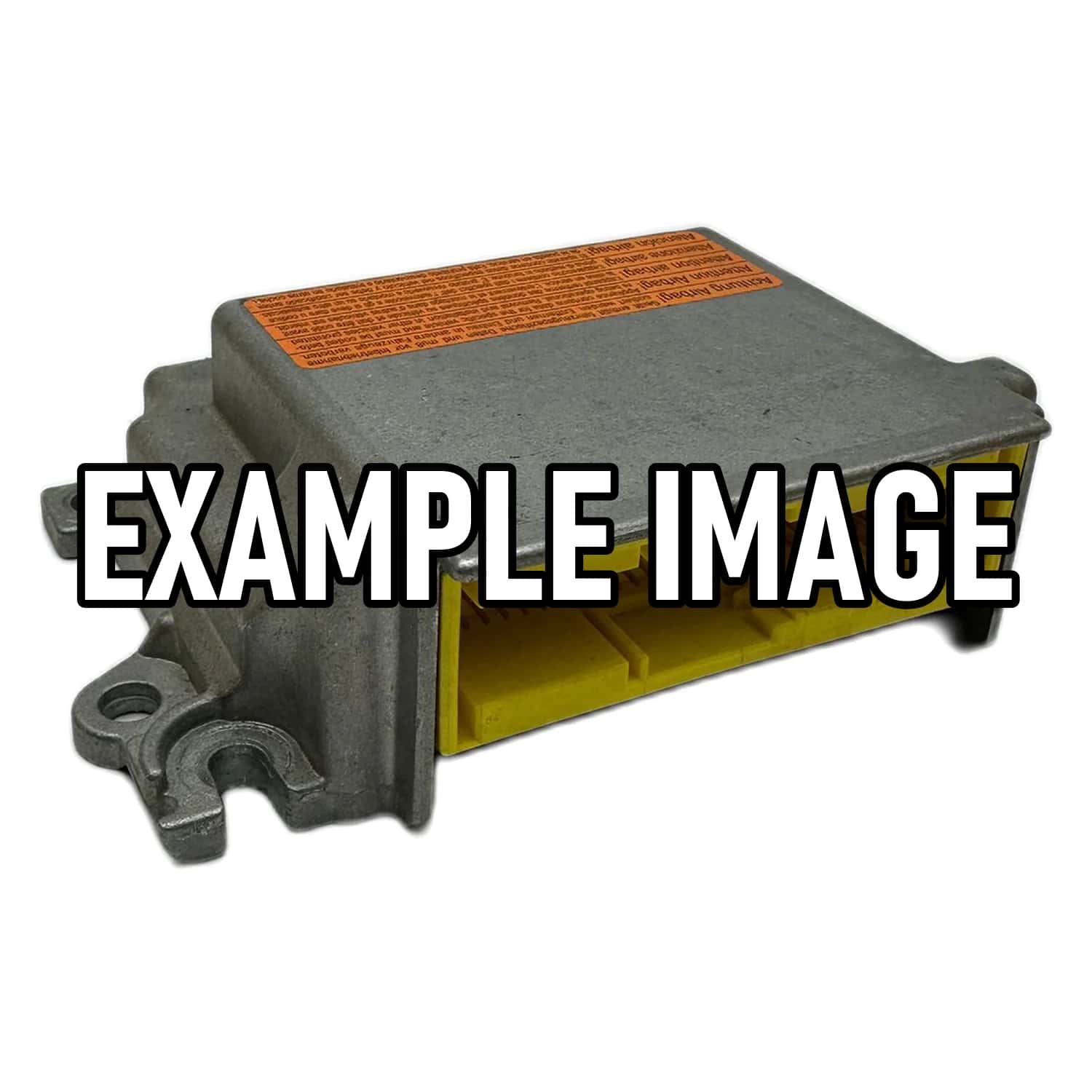
Precise identification of the airbag control unit is essential for a successful repair, as different models and trim levels may require different hardware and software. The control unit's part number, often located on a label on the housing, is the most important clue.
Additionally, the vehicle's year of manufacture and the full vehicle identification number (VIN) provide information about the exact specifications of the installed airbag system. This data makes it possible to ensure the compatibility of the device being repaired with the specific Iveco Trakker model and generation, thus ensuring correct function after the repair.
What airbag equipment does the Iveco Trakker have?
The airbag configuration of the Iveco Trakker varies depending on the model year and trim level. While early models and base versions primarily used the driver airbag, newer generations and higher trim levels feature enhanced safety packages with potentially additional airbag modules.
In the heavy commercial vehicle segment such as the Iveco Trakker, the driver airbag is usually a standard safety feature. This is crucial given the demanding applications in the construction and off-road sectors and the need for high levels of driver occupant protection.
Passenger and side airbags were often available as optional equipment on the Iveco Trakker. This reflects the typical configuration in commercial vehicles, where the primary safety focus is on the driver, while additional airbags could be selected depending on the specific vehicle use and operator requirements.
The airbag control unit in the Iveco Trakker continuously monitors a multitude of sensors, including crash and, where applicable, seat occupancy sensors. In the event of an impact, it controls the precise and rapid deployment of the available airbags to provide maximum protection and prevent false activations. The intact functionality of this central control unit is therefore essential for safety in the Iveco Trakker's rugged operating environment.
Common fault codes in this category
Shipping & repair from Germany
Airbag24 repairs your component in Berlin — usually within 3–4 working days.
Standard shipping within Germany is free; we normally return your part by UPS.
You pay for and insure the inbound shipment to us. On explicit request we ship by express — the extra cost is borne by the customer.
If you withdraw from the contract, you bear the cost of returning the item.