
Lancia Phedra airbag control unit repair(1)
1 product
What should I pay attention to with Lancia Phedra airbag control units?
The airbag technology used in the Lancia Phedra varies slightly across model years from 2002 to 2010. Airbag24 professionally repairs control units with original functionality and a 2-year warranty.
The Lancia Phedra, an exclusive van and large capacity saloon (MPV), was produced from 2002 to November 2010. It was considered the successor to the Lancia Zeta and was appreciated for its comfort, spaciousness, and upscale features.
Throughout its production run, the Phedra featured a comprehensive safety concept that met the high standards of its segment. From the very beginning, the standard airbag system was extensive to provide the best possible protection for its occupants.
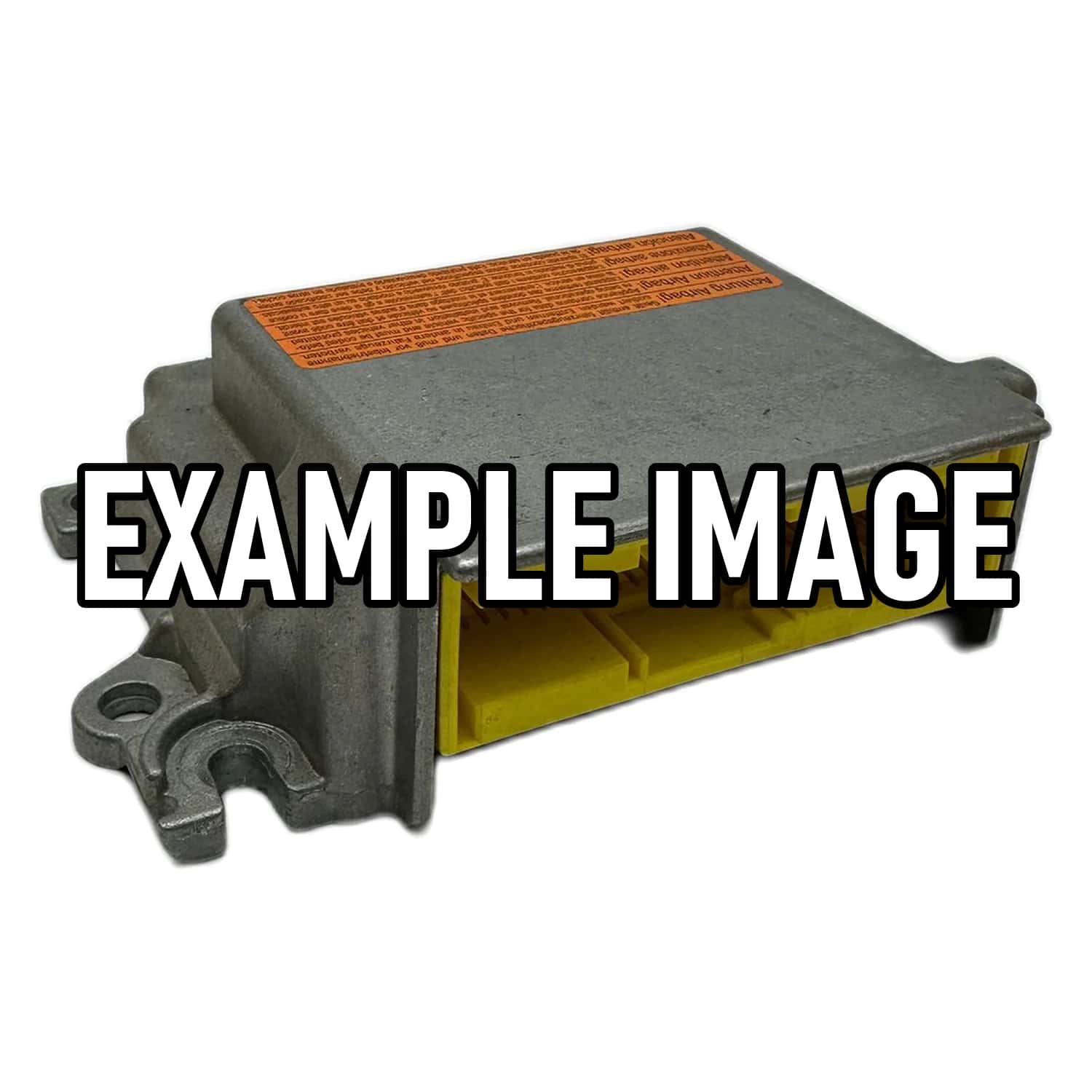
A key component of this system is the airbag control unit, which is installed between the front seats in the Lancia Phedra. This position reportedly makes it vulnerable to moisture, which can lead to defects and malfunctions.
If your Lancia Phedra airbag control unit is defective, a quick and professional repair is crucial to restoring vehicle safety. A defective unit can prevent airbags from deploying in an emergency or cause the airbag warning light to remain permanently illuminated.
Which Lancia Phedra generations are there?
The Lancia Phedra was produced in only one generation from 2002 to 2010, with minor changes and model updates over the years. The development of the safety system reflects the technological advances of this period.
There was no separate second generation of the Phedra, unlike many other car models. Instead, Lancia focused on continuously improving the existing platform.
Over the course of its production run, slight revisions were made to the design and interior, including a new grille, chrome accents, and an updated brand logo. These facelifts were aimed at keeping the Phedra relevant in the upper market segment.
Although there have been no fundamental architectural changes, even such minor updates can lead to subtle variations in the installed electronics and thus also in the airbag control units. These minor differences are important for a correct airbag control unit repair.
The Phedra competed in its class with models such as the Ford Galaxy, VW Sharan, Seat Alhambra and Renault Espace, always relying on its strengths in comfort, variability and safety.
How do I identify my Lancia Phedra airbag control unit?
Lancia Phedra airbag control units can be uniquely identified by part number, year of manufacture, and vehicle identification number (VIN). Despite only one generation, specific control unit variants are crucial for optimal compatibility.
The part number is the most important and reliable indicator of the correct airbag control unit in your Lancia Phedra. This number is printed directly on the unit's housing and should be checked carefully before any repair.
Even though the Phedra remained in one generation throughout its entire production run from 2002 to 2010, different suppliers or internal revisions could result in different hardware and software versions of the control unit. This makes precise identification essential.
The vehicle identification number (VIN) and the exact year of your Phedra can also help determine the correct version of the airbag control unit and ensure compatibility for a successful repair. An incorrect unit can cause safety system malfunctions.
It is crucial that a repair restores original functionality to ensure the safety of your Lancia Phedra after a failure. Therefore, a professional airbag control unit repair is always based on your vehicle's exact specifications.
What airbag equipment does the Lancia Phedra have?
From the outset, the Lancia Phedra's airbag equipment was comprehensive and designed for high safety. Front and side airbags were standard, complemented by modern electronic assistance systems such as ESP and brake assist.
As a MPV aimed at families and comfort-conscious customers, the Lancia Phedra offered a high level of passive and active safety. Standard front airbags for the driver and front passenger, as well as side airbags, provided comprehensive protection for the occupants.
In addition to the airbags, standard electronic safety systems such as the Electronic Stability Program (ESP) and Brake Assist (BAS) also contributed significantly to the vehicle's safety. These components worked closely with the airbag control unit.
Optionally, additional, possibly enhanced airbag systems or other advanced safety features could be added, underscoring the van's positioning in the upscale market segment. The interior offered space for up to seven people, with high levels of comfort and versatility being key selling points.
A defect in the airbag control unit can impair the functionality of this entire safety system. Since the control unit is the central unit for airbag deployment and can be susceptible to moisture, even in the Lancia Phedra between the front seats, a professional repair is essential to restoring full vehicle safety.
Shipping & repair from Germany
Airbag24 repairs your component in Berlin — usually within 3–4 working days.
Standard shipping within Germany is free; we normally return your part by UPS.
You pay for and insure the inbound shipment to us. On explicit request we ship by express — the extra cost is borne by the customer.
If you withdraw from the contract, you bear the cost of returning the item.