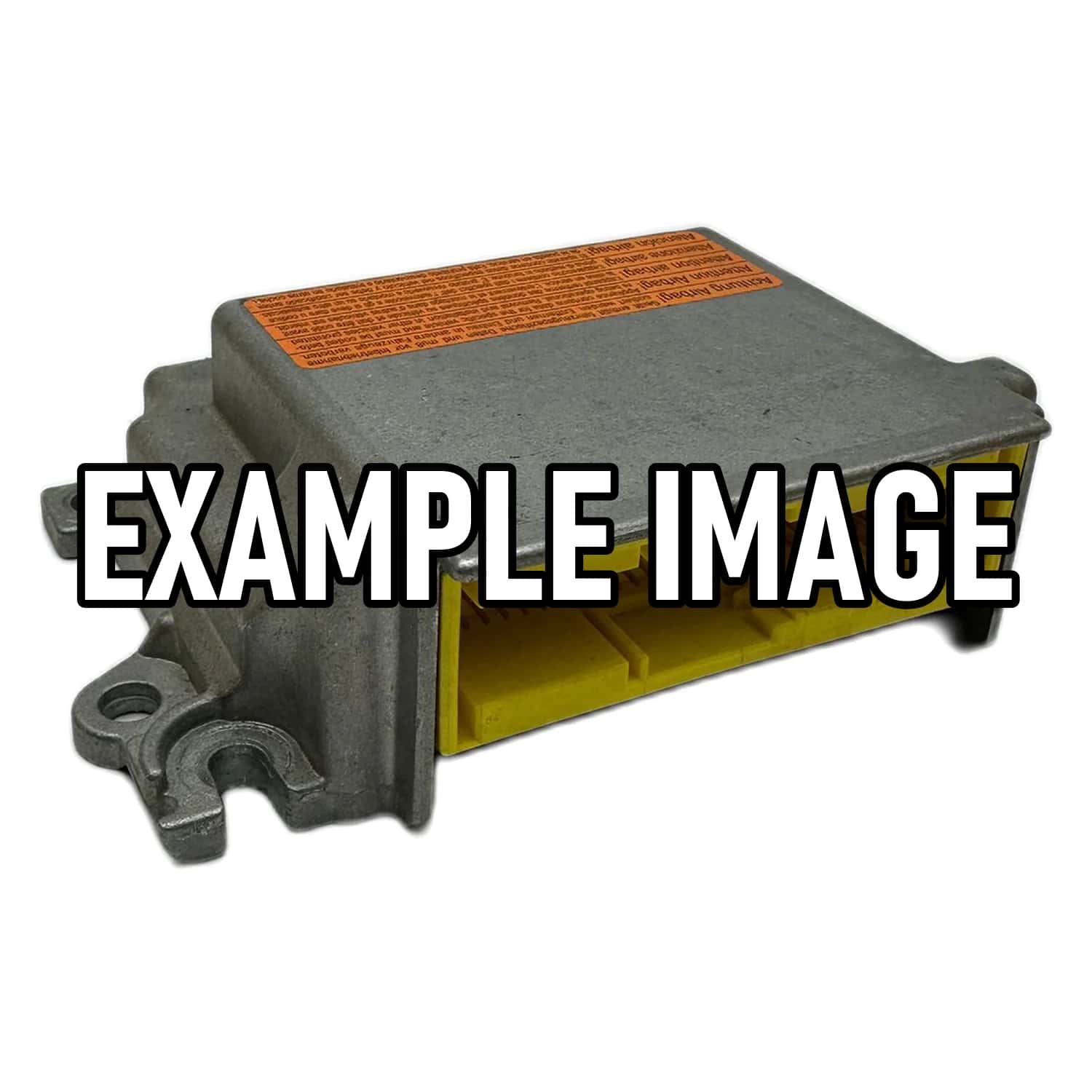
airbag control unit repair Opel Combo B
from€79.00
 Quality since 2002

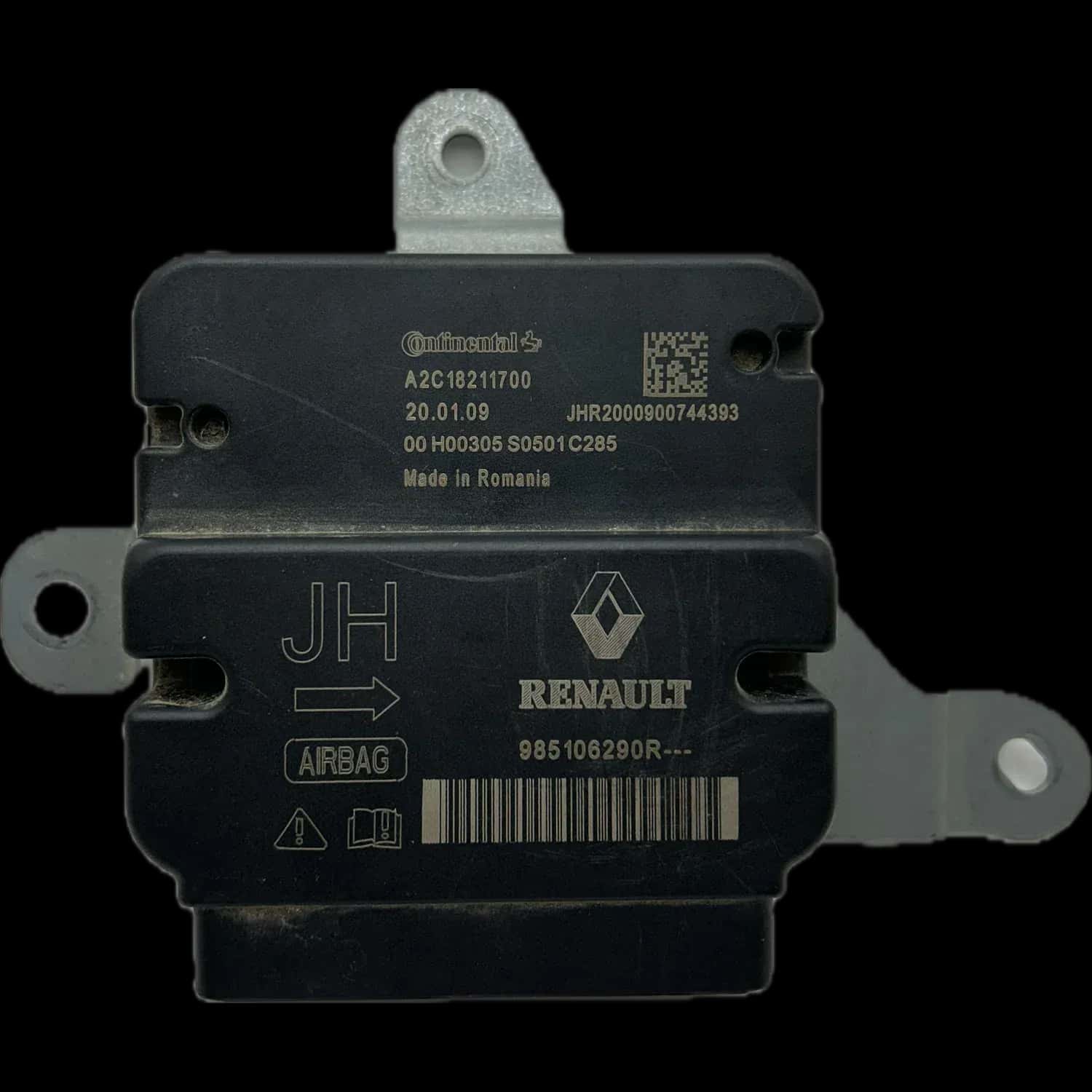

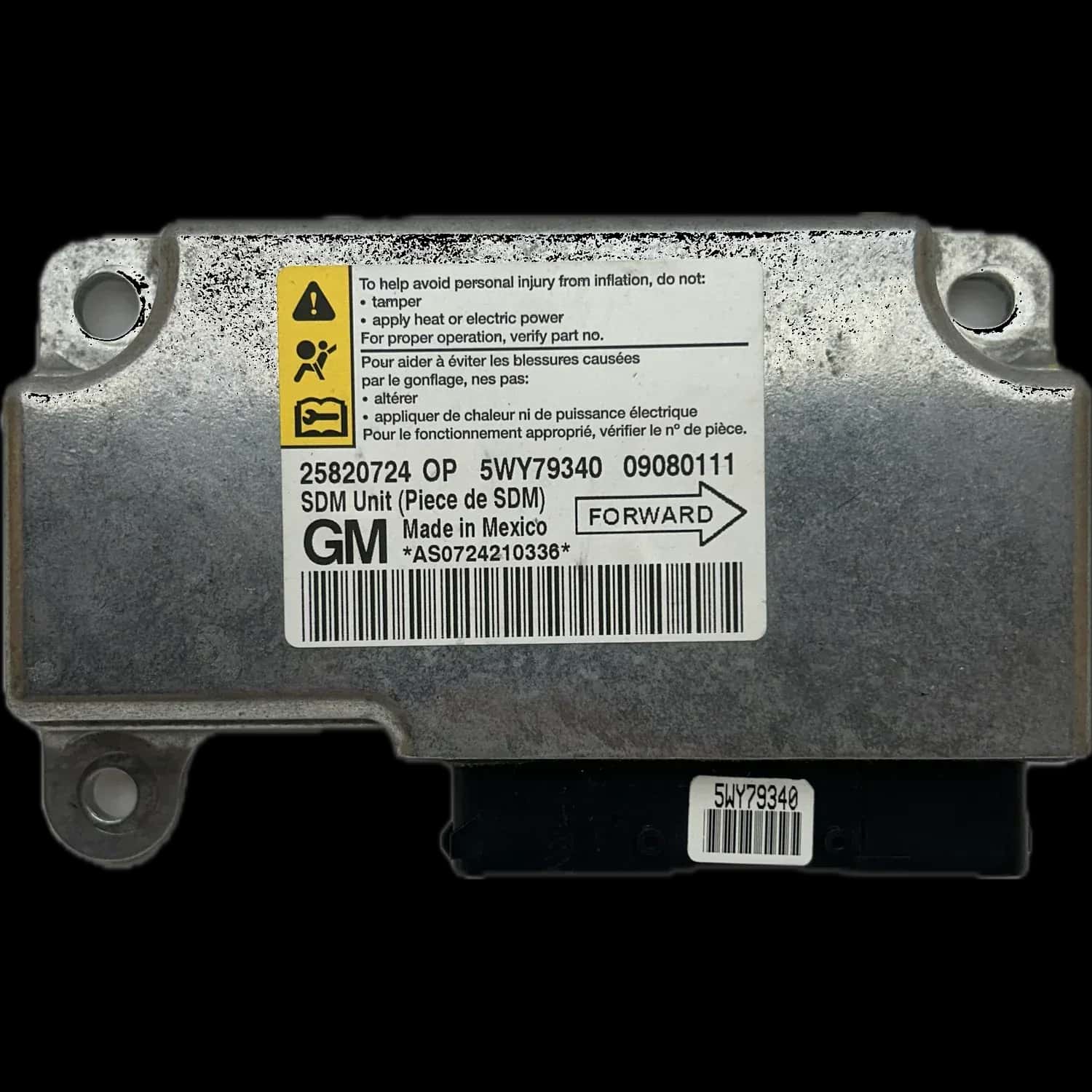
The airbag technology used in Opels varies considerably depending on the model and year of manufacture. Airbag24 professionally repairs control units for all Opel model generations with original functionality and a 2-year warranty.
Opel's vehicle production history ranges from classic sedans and small cars to modern electric vehicles and commercial vehicles. This impressive diversity is directly reflected in the development of the airbag systems installed.
Older Opel models, such as the Kadett or Omega, often used more basic airbag control units that primarily controlled driver and passenger airbags. However, with each new vehicle generation, these systems became more complex and integrated additional safety features.
The development of airbag systems at Opel shows a clear trend toward more comprehensive passive safety. While it began with two airbags, side, knee, and curtain airbags have been added over the years, significantly increasing the demands on the central airbag control unit.
Modern Opel vehicles, including current models such as the Corsa, Astra, and Mokka, feature highly integrated airbag control units that not only coordinate multiple airbags but also communicate with other vehicle systems. This complexity requires a deep understanding of the specific model and year characteristics during repair.
Opel has produced an impressive range of 31 different models over several decades, with the models and series generations using different airbag control units. The development of the safety system reflects technological advances and adaptation to new safety standards.
The Opel model range includes a wide range of vehicles that vary in vehicle class, target audience, and equipment. From compact and popular models like the Opel Corsa and Opel Astra, which appeal to a broad audience, to the mid-range model with the Opel Insignia.
In the SUV and crossover segment, the Opel Mokka, Crossland, and Grandland are popular options for families and commuters. For those who need versatility and utility, models like the Opel Combo, Vivaro, and Movano are designed as commercial vehicles or vans.
Opel also has a rich history of classic cars, including the Opel Kadett, Omega, Senator, Calibra, Tigra, Speedster, GT, Signum, Commodore, Diplomat, Monza, Rekord, Manta, and Ascona, which remain highly sought after by enthusiasts to this day. Each of these vehicles received specific airbag control units over the years, tailored to the safety technology of the time.
With the introduction of electric and hybrid vehicles such as the Opel Ampera and Ampera-e, as well as the innovative lightweight vehicle Opel Rocks-e, Opel is demonstrating its adaptability to new mobility concepts. In these modern vehicles, the airbag control unit also plays a central role in safety, adapted to the respective drive and body concepts.
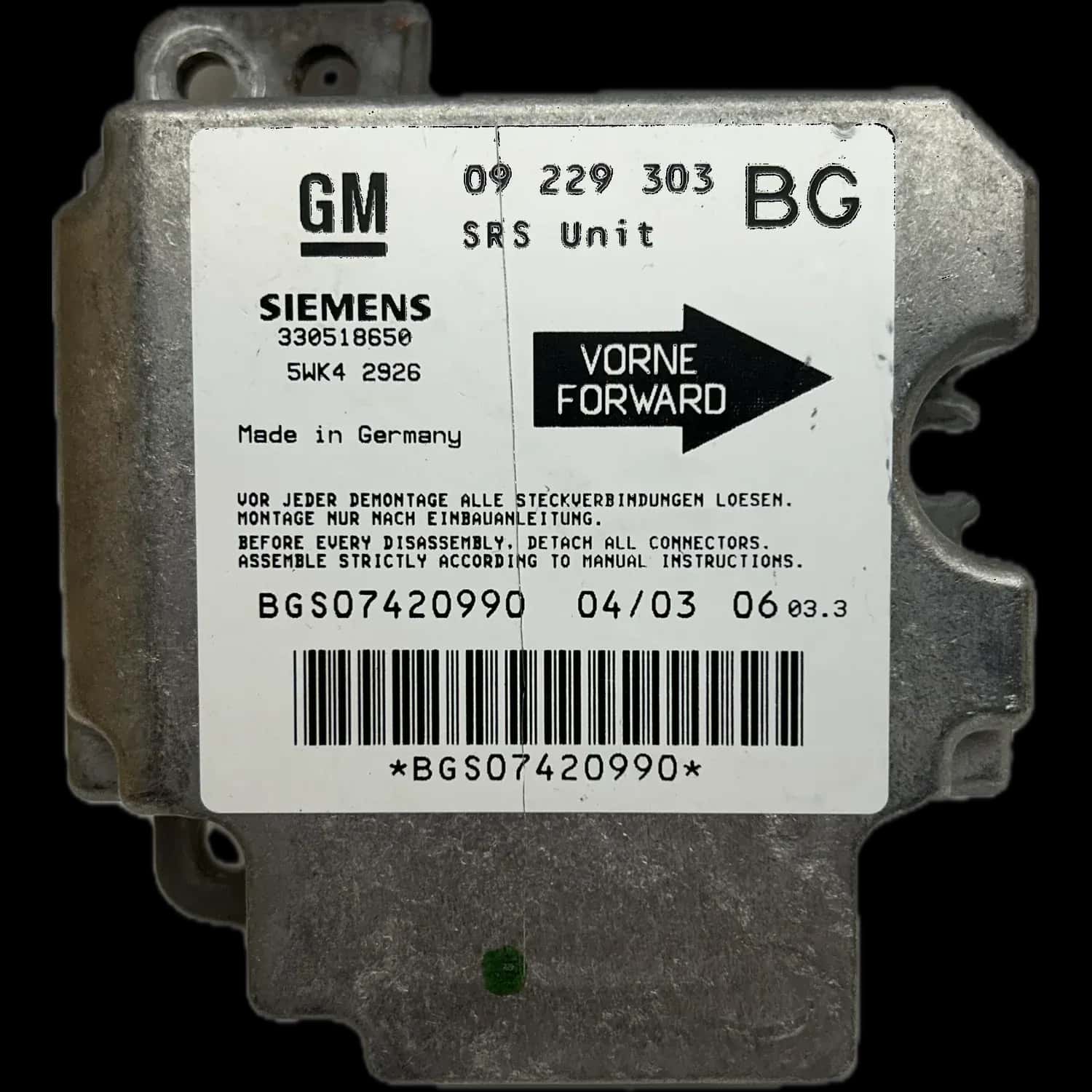
Opel airbag control units can be uniquely identified by their part number, year of manufacture, and vehicle identification number (VIN). Each generation and model variant uses specific control unit variants for optimal compatibility and functional reliability.
Precise identification of the installed airbag control unit is crucial for a successful and safe repair. The part number, often found directly on the control unit's housing, is the most important clue.
Additionally, the exact year of manufacture of your Opel model and the vehicle identification number (VIN) are important criteria. This information helps ensure the compatibility of the control unit with the specific vehicle system, as different variants can be installed even within a model series.
The diversity of Opel models, from an Opel Kadett from the 1980s to a modern Opel Rocks-e, also means a vast range of airbag control unit hardware and software. A professional repair therefore requires access to manufacturer-specific data and diagnostic tools to restore the control unit's correct functionality.
Opel's airbag equipment varies greatly depending on the model year and trim level. While early models used basic airbag systems with driver and passenger airbags, newer generations feature enhanced safety packages with additional airbag modules and more complex control units.
In the early days of the airbag era, in classic Opel models like the Opel Kadett E or the Opel Omega A, the inclusion of a driver and possibly a passenger airbag was already a major safety advance. The associated control unit was comparatively simple and designed for these two components.
With subsequent generations, such as the Opel Astra G or Opel Corsa C, side airbags in the front seats and, in some cases, head airbags (curtain airbags) were introduced to protect occupants in side collisions. This required expanded functionality of the airbag control unit to manage additional sensors and trigger circuits.
The modern Opel model range, which ranges from the Opel Mokka B to the Opel Grandland X and the Opel Ampera-e, integrates comprehensive airbag systems. These often include driver, passenger, side, head, and sometimes knee airbags. The central airbag control unit in these vehicles is a highly complex computer that processes real-time data from a multitude of crash sensors and deploys the airbags precisely in milliseconds.
Even in specialized models like the Opel Rocks-e light urban vehicle, the airbag system is tailored to specific requirements and monitored by an optimized control unit. The continuous development of Opel's airbag systems underscores the company's focus on occupant protection and makes the airbag control unit one of the most important safety units in the vehicle.
Airbag24 repairs your component in Berlin — usually within 3–4 working days.
Standard shipping within Germany is free; we normally return your part by UPS.
You pay for and insure the inbound shipment to us. On explicit request we ship by express — the extra cost is borne by the customer.
If you withdraw from the contract, you bear the cost of returning the item.