airbag control unit repair Peugeot 206 I
from€79.00
 Quality since 2002
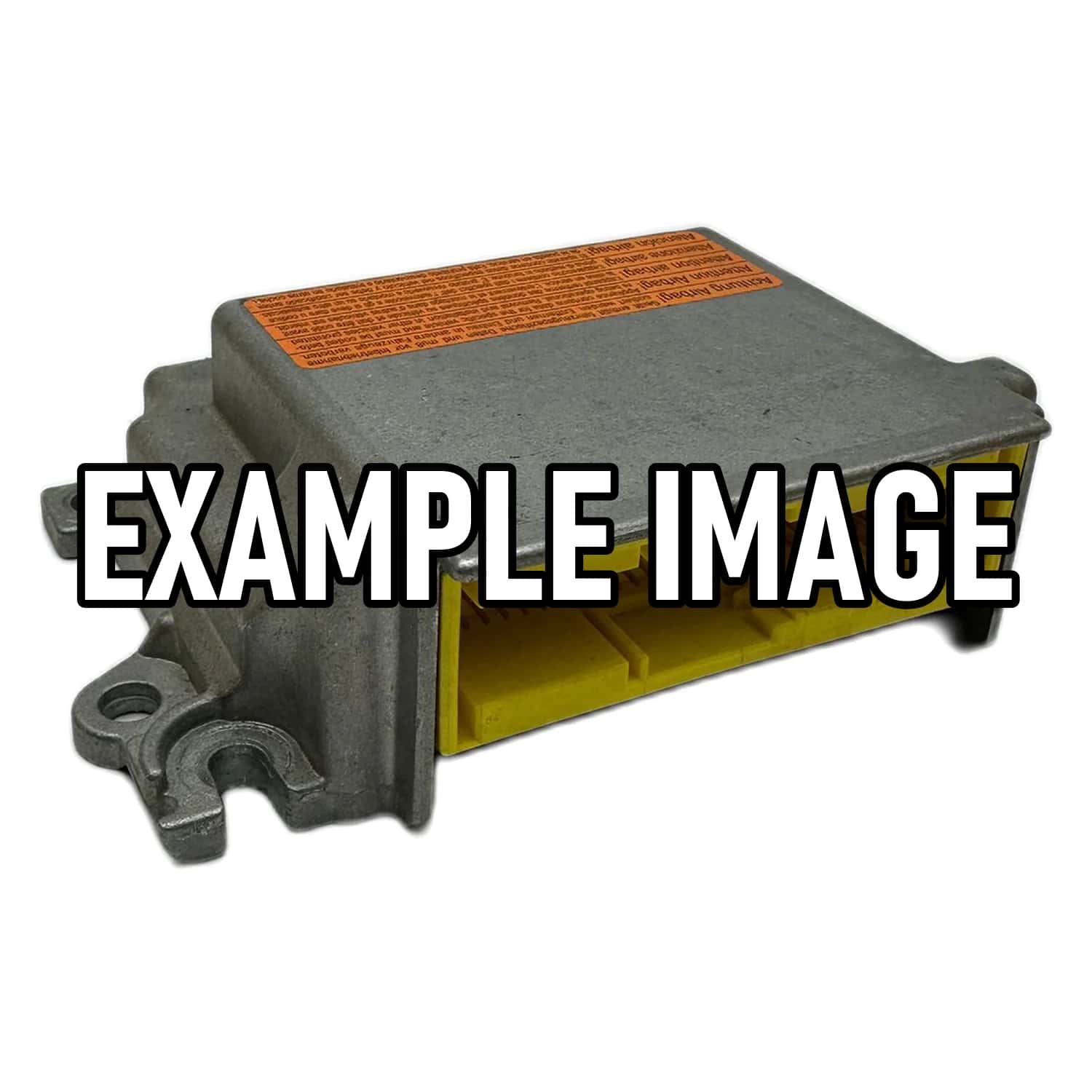
The airbag technology used in the Peugeot 206 varies considerably depending on the model year and trim level. This also affects the corresponding airbag control units, which are specifically tailored to the respective safety systems installed. A professional repair ensures the restoration of original functionality.
The Peugeot 206, produced from May 1998 to 2013, is an iconic small car available in numerous body styles, including hatchback, station wagon (SW), sedan (Sedan), and coupe-cabriolet (CC). Over its long production run, this best-selling Peugeot model underwent continuous developments, including safety features and airbag systems.
Initially equipped with basic airbags, the Peugeot 206's safety systems have been continuously developed over the years. This has led to the adaptation and increased complexity of the airbag control units to support advanced functions such as additional airbags or improved seatbelt pretensioner technologies, continuously optimizing occupant safety.
Technically, the Peugeot 206 was produced as a single main generation with several significant facelifts and a later variant, each of which placed different demands on the airbag control units. The development of the safety system reflects technological progress from 1998 to 2013.
The original Peugeot 206 was launched in May 1998 and quickly established itself as a popular small car. A comprehensive facelift in 2003 brought not only visual but also technological innovations that affected the electronic components, including the airbag control units.
Starting in 2009, the Peugeot 206+ was introduced, a revised and often more cost-effective version, primarily intended for the European market and serving as a successor in the segment. This variant also featured its own ECU specifications, tailored to its optimized production methods and equipment.
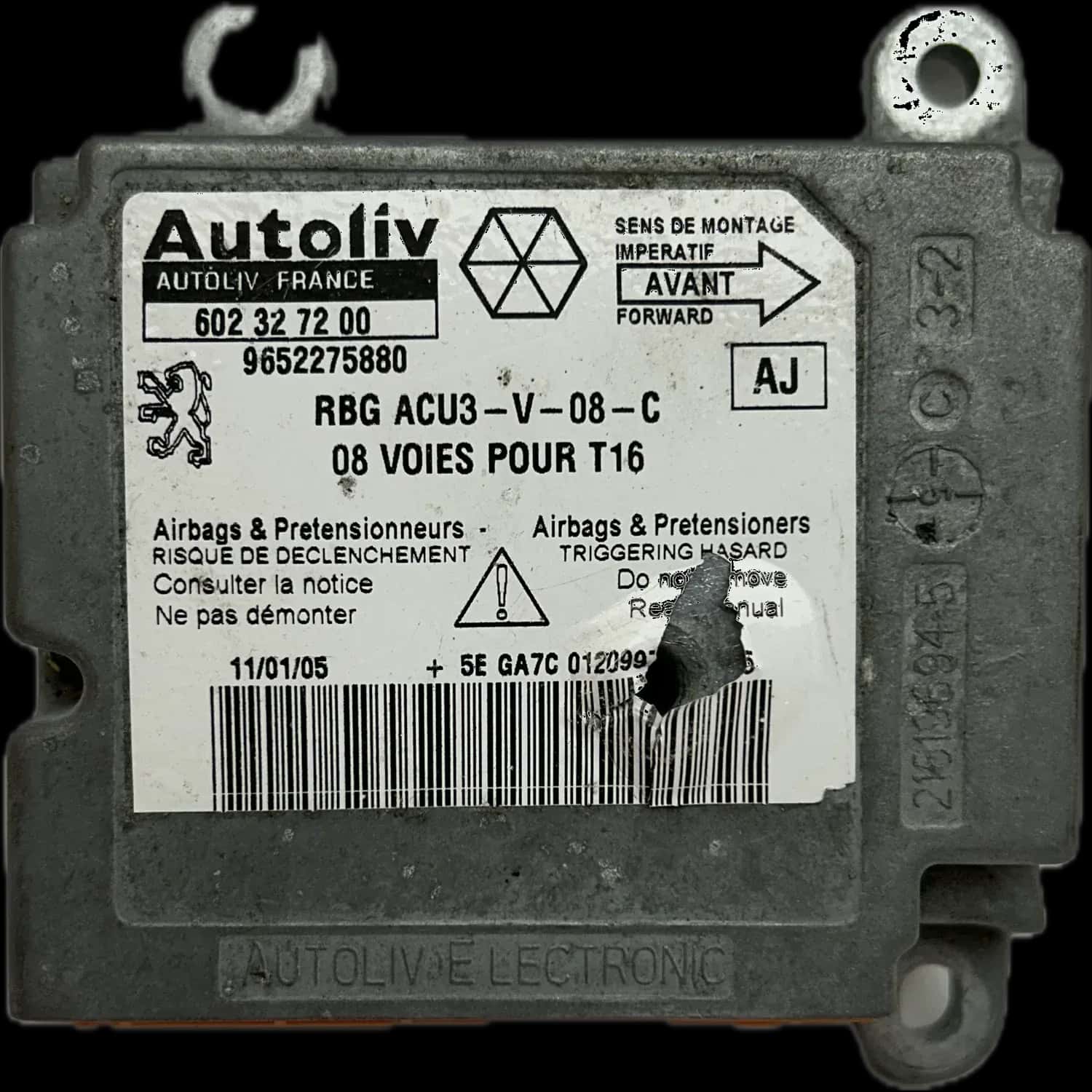
Peugeot 206 airbag control units can be most reliably identified by their unique part number, the exact year of manufacture, and, if necessary, the vehicle identification number (VIN). This information is crucial to ensuring the correct compatibility of the control unit with your vehicle's specific airbag system.
Each of the different versions and models of the Peugeot 206 can use specific control unit variants that are precisely tailored to the number of airbags installed, the sensor types, and the vehicle's communication protocols. The part number is usually noted directly on a sticker on the control unit itself or in the vehicle documentation.
Correctly identifying the control unit is the most important step to ensure a precise and successful repair or replacement. Only a precisely fitting control unit can ensure optimal function of the entire SRS (Supplementary Restraint System) in your Peugeot 206 and guarantee the safety of the occupants in an emergency.
The airbag configuration of the Peugeot 206 varies considerably depending on the model year, trim level, and body style. While all models come standard with a driver's airbag, higher trim levels and later models offer enhanced safety packages with additional airbag modules.
A driver airbag was standard in all Peugeot 206 models to protect the driver in a frontal collision. The passenger airbag was often included as standard or available as an option in higher trim levels such as the XT or GTi, significantly increasing passenger safety.
Sportier models like the GTi or GTi 180 also featured front side airbags as standard, providing additional protection in side collisions. The top-of-the-line GTi 180 could even be equipped with full-coverage side curtain airbags that protected the occupants' heads.
In addition, all Peugeot 206 models were equipped with seatbelts with pretensioners and force limiters on the front axle. These preventive measures, together with the various airbag modules, formed the Peugeot 206's comprehensive SRS (Supplementary Restraint System) and contributed significantly to the passive safety of this popular small car.
Airbag24 repairs your component in Berlin — usually within 3–4 working days.
Standard shipping within Germany is free; we normally return your part by UPS.
You pay for and insure the inbound shipment to us. On explicit request we ship by express — the extra cost is borne by the customer.
If you withdraw from the contract, you bear the cost of returning the item.