
Saturn airbag control unit repair(25)
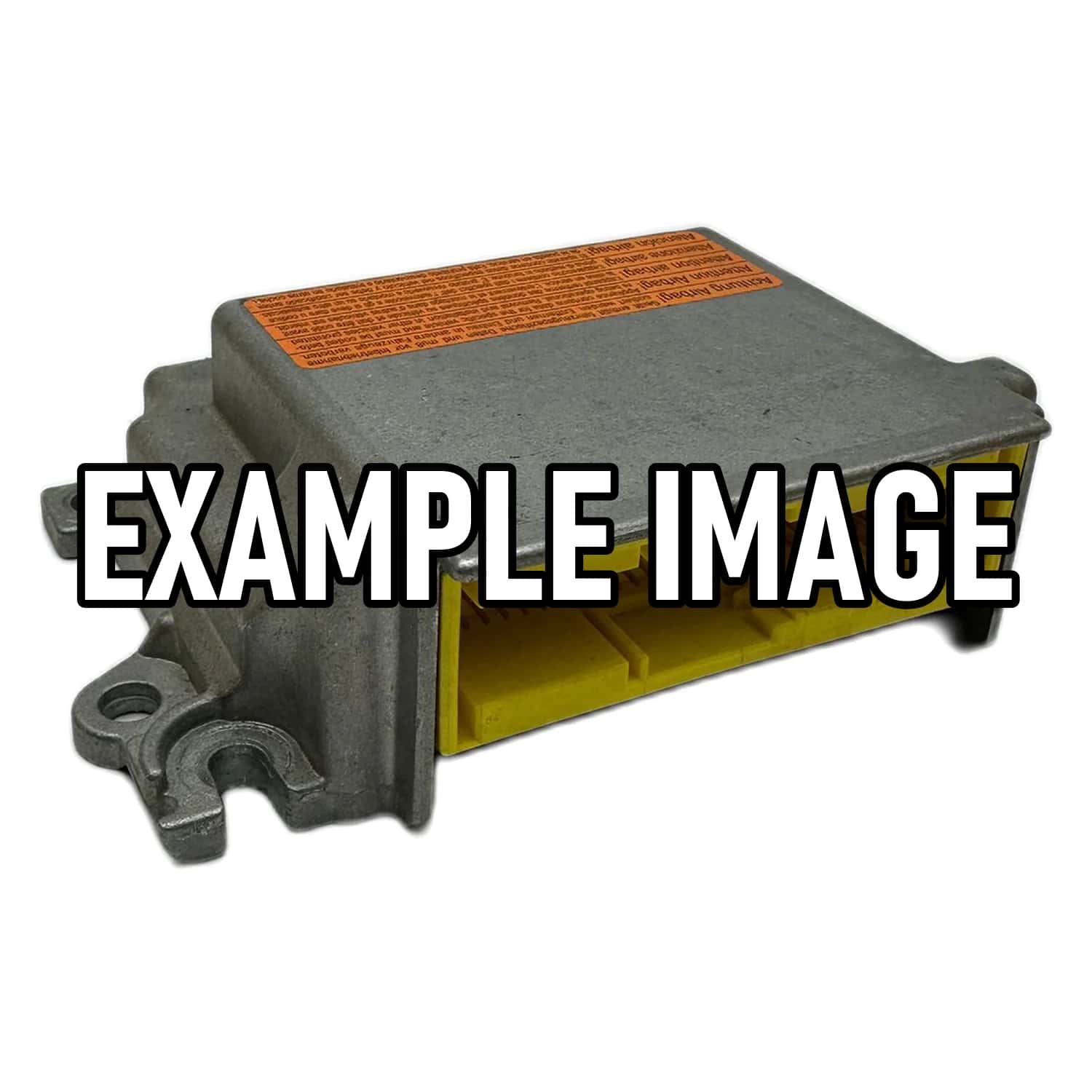
Saturn vehicles are rare in Europe, so restoring beats replacing. Select your airbag control unit here and send it to us for testing or repair.
25 products
airbag control unit repair Saturn LW LW2
from€66.39
airbag control unit repair Saturn Ion 1
from€66.39
airbag control unit repair Saturn SL SL2
from€66.39
airbag control unit repair Saturn SC SC1
from€66.39
airbag control unit repair Saturn LS LS1
from€66.39
airbag control unit repair Saturn LW LW1
from€66.39
What should I consider with Saturn airbag control units?
The airbag technology used in Saturn vehicles varies depending on the model and year. Airbag control units for Saturn vehicles can, in most cases, be professionally repaired to ensure the system's original functionality and safety.
Saturn, known for its innovative manufacturing methods and "no-haggle" sales model, produced a wide range of vehicles, from compact sedans to SUVs. The models evolved over the years, from the early S-Series to later collaborations with Opel.
Airbag system development at Saturn reflected the general progress in the automotive industry. Initially limited to basic driver and passenger airbags, the systems were gradually expanded with additional modules for side and curtain airbags, as well as intelligent crash sensors.
Which Saturn models are there?
Saturn has produced over 24 different models, with each model and series generation using different airbag control units. The evolution of the safety system reflects technological advances and changing safety standards.
Saturn's model range was diverse and included vehicles for a variety of needs. The popular S-Series (SL, SC, SW) formed the basis as compact sedans, coupes, and station wagons. Later, the larger L-Series (L100, L200, L300, LS, LW) followed as mid-size options.
Models like the Saturn Vue and the larger Saturn Outlook established themselves in the SUV segment. Vans like the Saturn Relay were also offered. Later generations like the Saturn Ion, the sporty Saturn Sky, the Saturn Aura sedan, and the compact Saturn Astra demonstrated the brand's continuous development.
Special and concept vehicles such as the innovative Saturn EV1 electric car, the Precept, CVT, Curve, Flextreme, and PreVue, as well as the SCV, demonstrated Saturn's efforts in future technologies and design studies. Each of these models required a suitable airbag control unit that met its specific requirements.
How do I identify my Saturn airbag control unit?
Saturn airbag control units can be uniquely identified by part number, model year, and vehicle identification number (VIN). Each generation and trim level uses specific control unit variants for optimal compatibility and functionality.
The part number is the most important identification key and is usually located on a sticker directly on the control unit. The exact year of manufacture of the vehicle and the vehicle identification number (VIN) also play a role, as even within a single model, different hardware revisions were used over the course of its production run.
Correct identification is crucial to ensure that the airbag control unit can be professionally repaired or reset and is fully functional afterward. On most Saturn models, the airbag control units are approximately 99% "plug-and-play" after a professional crash data reset and require no additional vehicle-specific programming.
What airbag equipment does Saturn have?
Saturn's airbag equipment varies by year, model, and trim level. While early models use basic airbag systems, newer generations and higher trim levels feature enhanced safety packages with additional airbag modules and intelligent sensors.
As a rule, all Saturn models are equipped with at least one driver and one passenger airbag as standard. These core components of the Supplemental Restraint System (SRS) are designed to protect the occupants in the event of a collision.
Over time, and depending on the vehicle class, optional or standard enhancements were added. These included side airbags, which provide additional protection in the event of a side impact, and head-impact airbags (often called curtain airbags), which protect the occupants' heads in the event of a side-on collision or rollover.
In addition to the airbags, active seatbelt pretensioners were often installed, which tighten the seatbelts in the event of a collision to optimally position the occupants in their seats. The airbag control unit is the central element that controls these components and stores crash data. An illuminated "Service Airbag" warning light in the dashboard usually signals a malfunction or the storage of crash data, which requires immediate diagnosis and, if necessary, repair of the airbag control unit. Before performing any work on the airbag system, it is imperative to deactivate the system by disconnecting the battery and removing the corresponding fuses to ensure maximum safety.
Shipping & repair from Germany
Airbag24 repairs your component in Berlin — usually within 3–4 working days.
Standard shipping within Germany is free; we normally return your part by UPS.
You pay for and insure the inbound shipment to us. On explicit request we ship by express — the extra cost is borne by the customer.
If you withdraw from the contract, you bear the cost of returning the item.