
Seat Tarraco airbag control unit repair(1)
1 product
What should I pay attention to with Seat Tarraco airbag control units?
The airbag technologies used in the Seat Tarraco are characterized by a high level of standardization and a comprehensive safety concept from the outset. Repairing defective control units in this model allows for the restoration of original functionality, often as a cost-effective alternative to purchasing a new replacement part.
The Seat Tarraco, an upper-mid-size SUV, was produced as a production model (MK1) from 2018 to 2024. From its launch, Seat placed great emphasis on comprehensive safety features, which remained consistent throughout its production run.
At the heart of the passive safety system is the airbag control unit, which is responsible for the correct deployment of the airbags and seatbelt pretensioners in the event of a collision. Although the Tarraco was released as a single generation, the installed airbag control units and associated sensors were always state-of-the-art, guaranteeing a high level of protection for all occupants.
If the airbag control unit malfunctions, often caused by an accident or internal defects, a professional repair is an attractive option. This specialized type of repair, especially for the Seat Tarraco airbag control unit, ensures that all safety-relevant functions are fully functional again, which is crucial for the vehicle's operational safety.
Which Seat Tarraco generations are there?
The Seat Tarraco was produced as a single generation (MK1), with continuous optimizations of the airbag control units and safety systems taking place during this period (2018-2024). The development of the safety system reflected the technological advancements integrated throughout the SUV's lifespan.
The Seat Tarraco, internally known as the MK1, debuted on September 18, 2018, and remained the only model of its kind until its end of production in the summer of 2024. It was not divided into different generations or with major official facelifts, as is the case with many other vehicle series.
Technically, the Tarraco is based on the Volkswagen Group's modular transverse matrix (MQB) and shares key components with its sister models, the VW Tiguan Allspace and the Škoda Kodiaq. This shared platform strategy enabled the efficient integration of proven safety technologies and airbag systems.
The designation "Seat Tarraco MK1" thus encompasses all vehicles that rolled off the production line between 2018 and 2024. This means that although there were no official generation changes, there may have been subtle adjustments and software updates to the airbag control unit over the model years to further optimize system performance and reliability. A precise repair therefore always requires consideration of the specific model year and the installed part number.
How do I identify my Seat Tarraco airbag control unit?
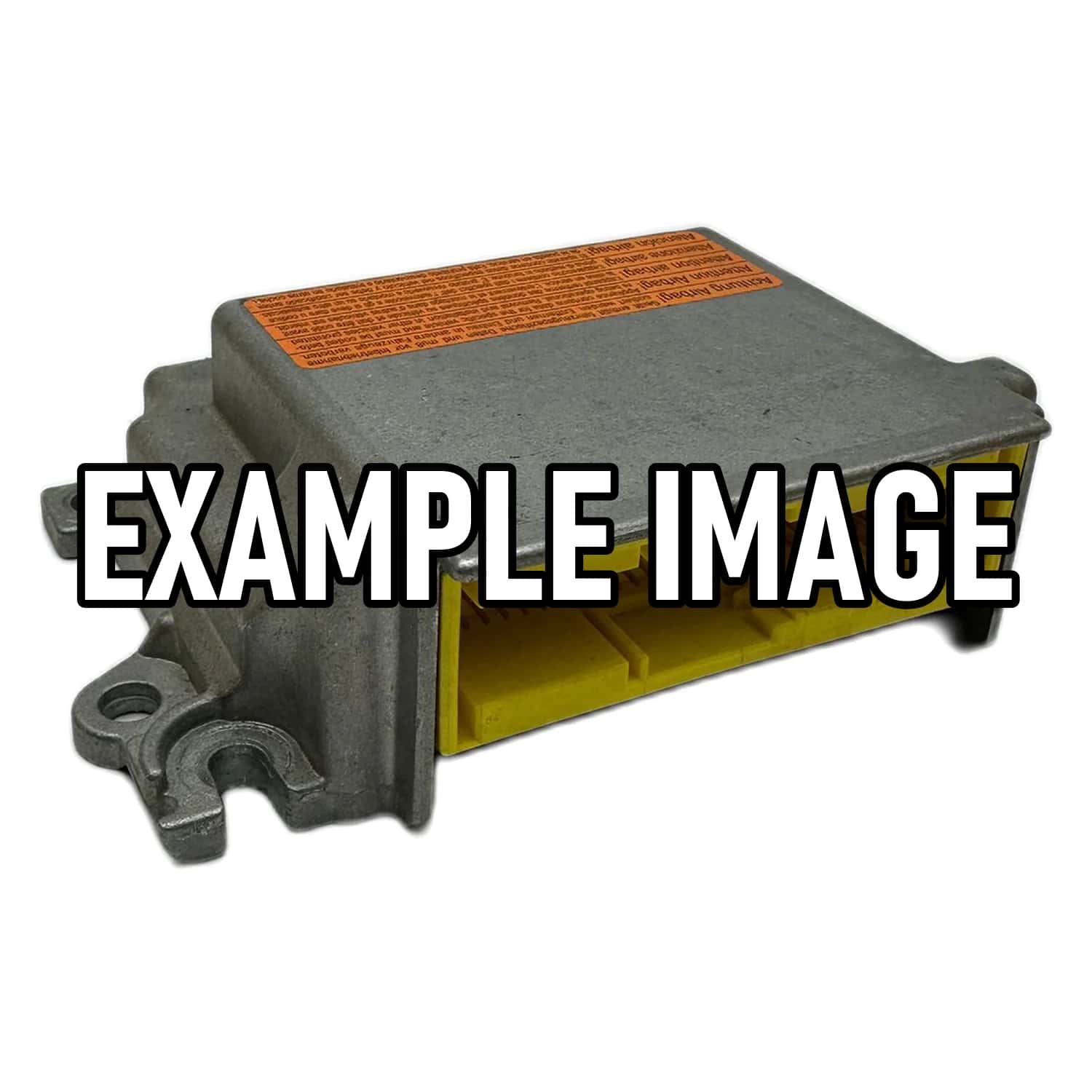
Seat Tarraco airbag control units can be uniquely identified by their part number, year of manufacture, and vehicle identification number (VIN). These specific features ensure correct identification and compatibility for a successful repair and ensure that the replaced or repaired control unit optimally integrates with the vehicle's other systems.
To identify the correct airbag control unit for your Seat Tarraco, the part number is crucial. This number is usually printed directly on the control unit housing or attached to a label. It is essential for determining the exact variant and compatibility of the control unit, as minor revisions or country-specific versions may exist even within the MK1 production run.
In addition to the part number, the year of manufacture of your Seat Tarraco provides important information about the technology installed. The vehicle identification number (VIN) offers another way to ensure precise identification, as it contains all relevant information about your specific vehicle model, including the year of first registration and trim levels. This combination of data allows specialists to determine the exact specification of the defective airbag control unit and carry out an appropriate repair for the Seat Tarraco airbag control unit.
A correctly identified airbag control unit is the foundation for a safe and effective repair. Incorrect information can lead to compatibility issues that could impair the functionality of the safety system and thus pose a safety risk.
What airbag equipment does the Seat Tarraco have?
The Seat Tarraco is characterized by its extensive and standard airbag equipment, which ensures a high level of safety throughout its entire production run. This equipment was not implemented as an optional extra, but as an integral part of the safety concept to meet the high demands of a modern family SUV.
From the start of production in 2018 until the end of the model year in 2024, the Seat Tarraco was always delivered with a comprehensive suite of airbags. This included driver and passenger frontal airbags as standard, providing protection in the event of a frontal impact.
Additionally, side head and side body airbags are standard in the front to protect the upper body and heads of the front occupants in a side impact. A special knee airbag has also been installed for the driver, providing additional protection for the lower leg area.
Another key passive safety feature of the Tarraco is the side curtain airbags. These extend the entire length of the passenger compartment and provide comprehensive head protection for occupants in both the front and rear seats. This broad coverage underscores the focus on family safety.
In addition to the airbags, the Seat Tarraco features other important safety features. These include seat occupancy sensors (SBR) for all seats, front seatbelt pretensioners that keep occupants firmly in their seats in the event of a collision, and ISOFIX anchor points for securely securing child seats. Modern assistance systems such as the automatic emergency call system (eCall), a City Emergency Braking function, and a lane departure warning system complement the comprehensive safety package and help prevent accidents in the first place or mitigate their consequences.
This comprehensive and standardized airbag equipment on the Seat Tarraco (MK1) ensures that the vehicle offers a high level of passive protection throughout its entire production life and positions itself as a safe and reliable vehicle for families.
Shipping & repair from Germany
Airbag24 repairs your component in Berlin — usually within 3–4 working days.
Standard shipping within Germany is free; we normally return your part by UPS.
You pay for and insure the inbound shipment to us. On explicit request we ship by express — the extra cost is borne by the customer.
If you withdraw from the contract, you bear the cost of returning the item.