
SsangYong airbag control unit repair(19)
Parts for SsangYong can be hard to source. Search for your airbag control unit here and send it to us for testing or repair.
What should I pay attention to with SsangYong airbag control units?
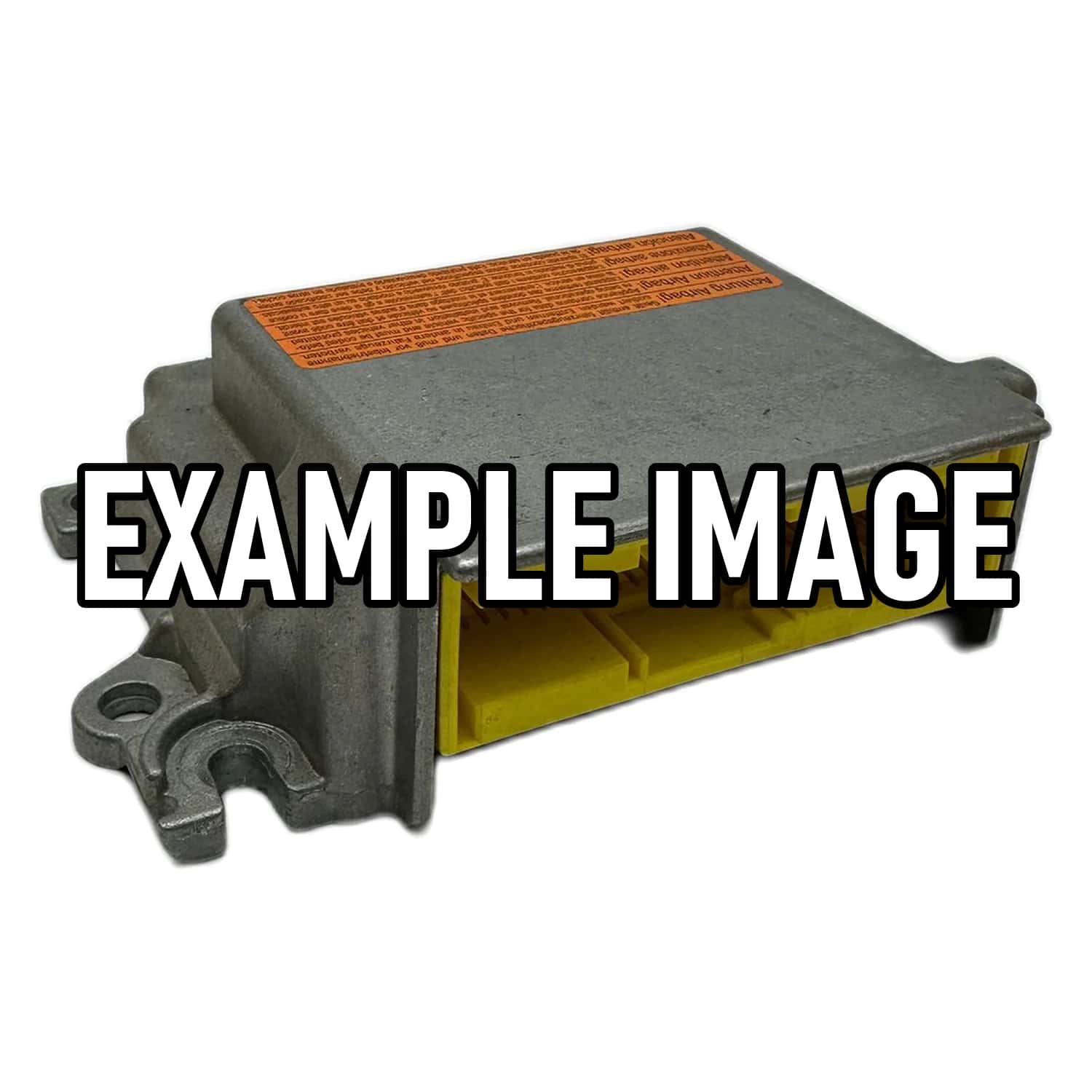
The airbag technology used in the SsangYong airbag control unit varies considerably depending on the model and year of manufacture. In the event of a defect, a professional SsangYong airbag control unit repair offers a cost-effective solution that ensures true-to-original functionality and high reliability. SsangYong, known for its robust and versatile vehicles, has developed a wide range of models throughout its production history. This evolution is also reflected in the airbag control units installed, which range from simple systems to highly complex safety modules. Each generation and model series, from the early Korando and Musso models to modern SUVs such as the Torres or the electric Korando e-Motion, requires specific expertise for repair. The development of the airbag system at SsangYong followed general technological progress in the automotive industry. While older models often only had front airbags, newer series successively integrated side, curtain, and knee airbags to comprehensively improve occupant protection. The airbag control unit (SRS ECU) is always the central element, monitoring all sensors and activating the airbag pyrotechnic igniters in an emergency. A defective control unit must be repaired immediately to restore the safety system's full functionality.Which SsangYong models are there?
Over the years, SsangYong has launched an impressive range of 34 different models, each with its own specific airbag control units. The constant evolution of safety standards is reflected in the control unit technology, which is tailored to the respective vehicle concepts. Our range of SsangYong airbag control unit repairs covers the entire spectrum of this diverse range. This includes popular SUV models such as the SsangYong Korando, the classic SsangYong Rexton and its successor, the SsangYong New Rexton, as well as the compact SsangYong Tivoli and the spacious SsangYong XLV. We also offer specialized repairs for robust pickup trucks such as the SsangYong Musso and the SsangYong Actyon Sports. Our service also extends to specialized and newer models such as the electric SsangYong Korando e-Motion and the groundbreaking SsangYong Torres, each of which utilizes advanced airbag systems. We even handle more exotic or discontinued models such as the SsangYong Kyron, SsangYong Rodius, SsangYong Stavic, SsangYong Turismo, SsangYong Chairman, and early concept vehicles such as the SsangYong SIV-1, LIV-2, and e-XIV. Each of these models has a unique airbag control unit, and the year and generation of the unit are crucial for correct repair.How do I identify my SsangYong airbag control unit?
SsangYong airbag control units can be identified by their unique part number, model year, and vehicle identification number (VIN). Each model generation uses specific control unit variants developed for optimal compatibility with the respective vehicle system. Identifying the correct airbag control unit is the first and most important step for a successful repair. The control unit part number, often found on a sticker directly on the unit, provides precise information about the specific model and software version. The year of manufacture of the SsangYong vehicle is also relevant, as even within a model series, revised control units with different electronics may be used. It is important to note that a correct repair or replacement can only be guaranteed with a precisely matching control unit or a professionally repaired unit. Incorrect components can lead to malfunctions or compromised safety performance. If you are unsure, the SsangYong's vehicle identification number (VIN) will help you determine the exact equipment and thus the required airbag control unit to enable a smooth and safe repair.What airbag equipment does SsangYong have?
The airbag equipment of SsangYong vehicles varies considerably depending on the year, trim level, and model. While early models mostly relied on basic airbag systems, newer generations feature comprehensive safety packages with a variety of airbag modules that maximize occupant protection. In the early days, SsangYong models such as the first Korando and Musso were typically equipped with front airbags for the driver and front passenger, providing basic protection in frontal collisions. With the introduction and further development of models such as the Kyron, Rexton, and Actyon, the safety system was gradually expanded. Side airbags were increasingly found, designed to protect the upper body of the occupants, particularly in side impacts. More modern SsangYong vehicles, including the Tivoli, XLV, the current generations of the Korando and Rexton, and the all-new Torres, are equipped with comprehensive airbag systems. These often include not only front and side airbags, but also head airbags that deploy along the front window, and sometimes knee airbags for the driver. The airbag control unit orchestrates these complex systems to ensure precise and timely deployment of the airbags in the event of an accident, thus significantly minimizing the risk of injury to all occupants. A functioning control unit is essential for this.Common fault codes in this category
Shipping & repair from Germany
Airbag24 repairs your component in Berlin — usually within 3–4 working days.
Standard shipping within Germany is free; we normally return your part by UPS.
You pay for and insure the inbound shipment to us. On explicit request we ship by express — the extra cost is borne by the customer.
If you withdraw from the contract, you bear the cost of returning the item.