
SsangYong Korando airbag control unit repair(3)
3 products
What should I pay attention to with SsangYong Korando airbag control units?
The airbag technology used in the SsangYong Korando varies depending on the year and model. Repairing airbag control units for all SsangYong Korando models ensures the professional restoration of your vehicle's original functionality and safety.
The SsangYong Korando has evolved from a rugged off-road pioneer into a modern, versatile SUV. This transformation is also reflected in the complexity and features of its safety systems.
Airbag system development over the years has led to increasingly sophisticated control units, which are crucial for the proper functioning of passive safety devices. A defective airbag control unit can impair the operational readiness of the entire system.
Which SsangYong Korando generations are there?
The SsangYong Korando has been produced in four main generations, each with a different airbag control unit. The evolution of the safety system reflects technological advances from 1982 to the present day and demonstrates how the Korando has adapted to growing vehicle safety demands.
The first generation (Ssangyong Korando KJ), produced from 1982 to 1996, was a simple off-road vehicle that didn't yet feature airbags as standard equipment. The focus here was on robust construction.
The second generation (SsangYong Korando C200 / SsangYong Korando C300), produced from 1996 to 2006, including variants such as the SsangYong Korando D22T and the SsangYong Korando Family, introduced driver and passenger airbags as an increasingly standard safety feature.
The third generation (from 2010), which includes the SsangYong Korando Sports and the SsangYong Korando Turismo, marked the transition to a modern SUV with a monocoque body and already offered at least two airbags as standard, often with the option to deactivate the passenger airbag.
The latest, fourth generation, known as the SsangYong Korando E-Motion (from 2019), sets new standards in safety. It offers up to seven airbags as standard and achieves a 5-star Euro NCAP rating.
How do I identify my SsangYong Korando airbag control unit?
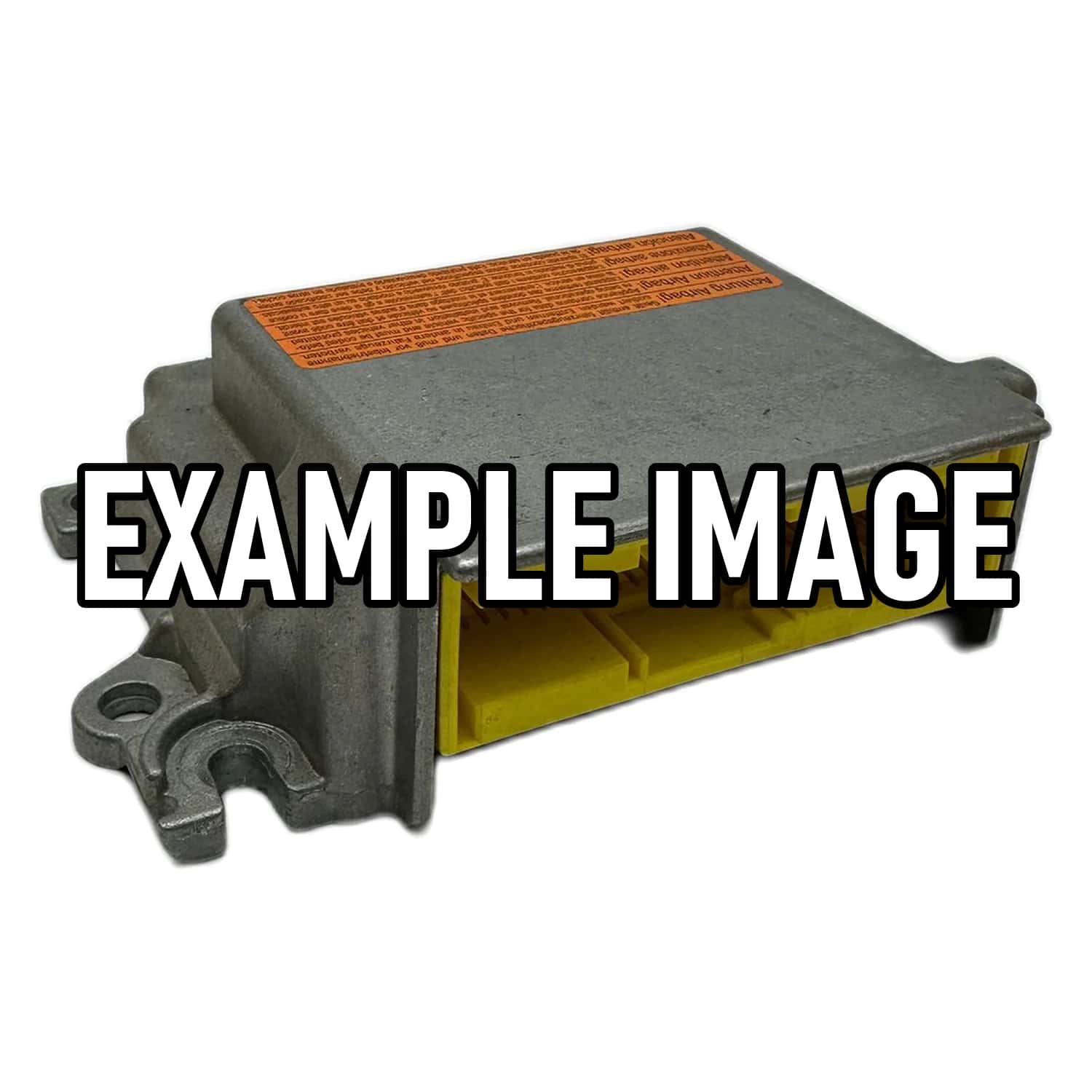
SsangYong Korando airbag control units can be unequivocally identified by their unique part number, specific model year, and vehicle identification number (VIN). Each generation, and often different trim levels, use specific control unit variants that are optimally tailored to the respective airbag configuration.
The airbag control unit part number is the most important indicator of its compatibility with your SsangYong Korando. You can find this number directly on the control unit itself, which is usually located under the driver's seat, in the center console, or on the dashboard.
Comparing the part number with the specifications for your Korando model and year is crucial to ensuring the repair or replacement of the defective unit is performed correctly and the full functionality of the safety system is maintained. This is especially important when repairing an airbag control unit after an accident or airbag deployment.
What airbag equipment does the SsangYong Korando have?
The SsangYong Korando's airbag equipment varies greatly depending on the model year and trim level chosen, reflecting the evolution of passive safety throughout the model's history. While early models offered only basic safety features, newer generations feature comprehensive, modern airbag systems.
In the first generation (Ssangyong Korando KJ, 1982–1996), airbags were not yet common, and safety was mainly based on seat belts and the robust off-road construction.
With the second generation (SsangYong Korando C200 / SsangYong Korando C300, SsangYong Korando D22T, SsangYong Korando Family, 1996–2006), driver and passenger airbags became increasingly standard. This represented a significant advance in the Korando's passive safety.
The third generation (Ssangyong Korando Sports, Ssangyong Korando Turismo, 2010–2016) offered at least two airbags (driver and front passenger) as standard. Often, deactivatable passenger airbags were also available as an option for the secure attachment of child seats.
The latest, fourth-generation SsangYong Korando E-Motion (from 2019) sets the standard with up to seven standard airbags, including driver, passenger, side, and curtain airbags. This comprehensive equipment contributes significantly to the high 5-star Euro NCAP safety rating, making the Korando one of the safest vehicles in its class.
Shipping & repair from Germany
Airbag24 repairs your component in Berlin — usually within 3–4 working days.
Standard shipping within Germany is free; we normally return your part by UPS.
You pay for and insure the inbound shipment to us. On explicit request we ship by express — the extra cost is borne by the customer.
If you withdraw from the contract, you bear the cost of returning the item.