
SsangYong Rodius airbag control unit repair(2)
2 products
What should I pay attention to with SsangYong Rodius airbag control units?
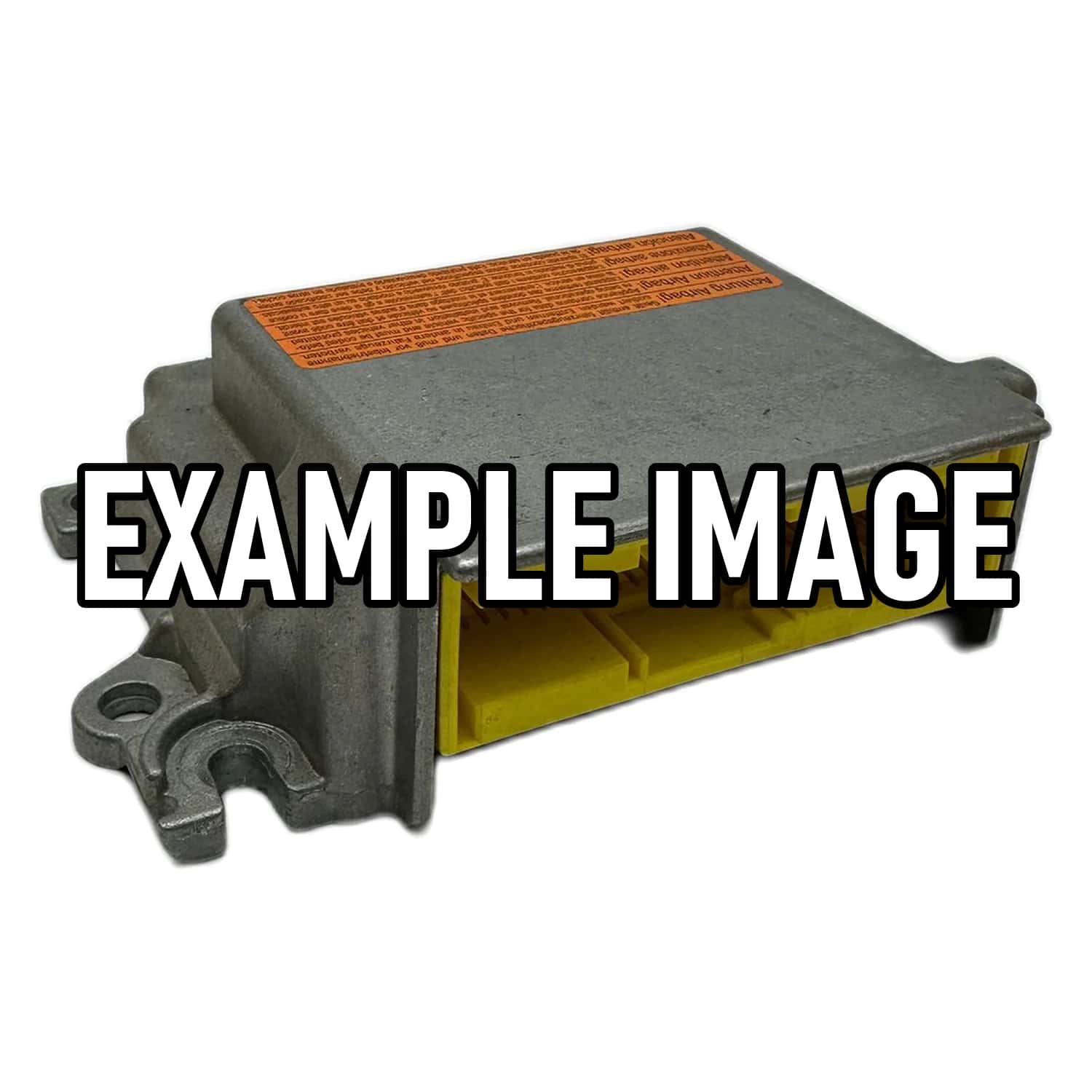
The airbag technology used in the SsangYong Rodius varies depending on the model year. Airbag control units of all SsangYong Rodius generations can be professionally repaired with original functionality and a 2-year warranty.
The SsangYong Rodius, a spacious MPV, was produced in two main generations from 2004 to 2019. Each generation brought specific adjustments to the vehicle architecture and safety systems.
Airbag control units are key components of the passive safety system and are subject to constant development in line with technological advances. Therefore, it is crucial to identify the correct control unit version for the specific model year and trim level of the Rodius.
Defects in the airbag control unit can be indicated by illuminated airbag warning lights or error messages. A quick and professional repair is essential to restore the safety system's full functionality.
Which SsangYong Rodius generations are there?
The SsangYong Rodius was produced in two generations, each using different airbag control units. The development of the safety system reflects technological advances from 2004 to 2019.
The first generation, known as the SsangYong Rodius A100, was produced from 2004 to 2013. This versatile MPV was characterized by its spacious design and robust technology, partly based on licensed Mercedes-Benz components.
The second generation, the SsangYong Rodius A200, followed in 2013 and continued production until 2019. This model received a comprehensive facelift in the summer of 2018 and continued to offer plenty of space for families and transportation purposes.
Each generation of the Rodius was equipped with specific airbag control units tailored to the respective vehicle platforms and evolving safety standards. This means that any repair or replacement must always be carried out according to the specific generation.
The continuous development of safety systems over the years of production has led to more complex control units that require precise diagnosis and repair.
How do I identify my SsangYong Rodius airbag control unit?
SsangYong Rodius airbag control units can be uniquely identified by part number, year of manufacture, and vehicle identification number (VIN). Each generation uses specific control unit variants for optimal compatibility.
Precise identification of the airbag control unit is crucial for a successful repair and ensuring safety. The part number affixed to the control unit is the most important indicator of the specific model and compatibility.
Additionally, the model year of the SsangYong Rodius helps narrow down the correct generation (A100 or A200), as the installed systems have evolved over the years. The vehicle identification number (VIN) can also be used for further verification to ensure the correct variant.
It's important to note that incorrect control unit identification can lead to malfunctions or impaired airbag performance. Therefore, identification should always be performed carefully and based on vehicle data.
What airbag equipment does the SsangYong Rodius have?
The airbag configuration of the SsangYong Rodius varies depending on the model year and trim level. While early models use basic airbag systems, newer generations feature enhanced safety packages with additional safety features.
From the outset, the SsangYong Rodius was equipped with basic passive safety systems to provide optimal occupant protection. Standard equipment typically included front airbags for the driver and front passenger, as well as side airbags.
In addition to the airbags, modern safety standards such as ABS (anti-lock braking system) and ESP (electronic stability program) were also part of the standard equipment, which significantly increased active driving safety.
Over the years of production, and especially with the introduction of the second generation (A200), the safety systems were further developed. This often included the integration of additional assistance systems and fine-tuned airbag deployment to further optimize occupant protection.
Although the Rodius was primarily designed as a practical large-capacity van, SsangYong made it a priority to equip the vehicles with the safety features that were common and important at the time to meet the needs of families and transportation needs.
Shipping & repair from Germany
Airbag24 repairs your component in Berlin — usually within 3–4 working days.
Standard shipping within Germany is free; we normally return your part by UPS.
You pay for and insure the inbound shipment to us. On explicit request we ship by express — the extra cost is borne by the customer.
If you withdraw from the contract, you bear the cost of returning the item.