
Suzuki Baleno airbag control unit repair(2)
2 products

What should I pay attention to with Suzuki Baleno airbag control units?
The airbag technology used in the Suzuki Baleno varies depending on the model year. A professional repair of the airbag control unit ensures original functionality and safety for all Suzuki Baleno generations.
The Suzuki Baleno was manufactured in two distinct production periods: a first generation from 1995 to 2002 and a second, modern generation from 2015 onwards. Each of these eras brought with it specific technical requirements and safety standards that directly impact the design of the airbag control units.
The development of the airbag system in the Suzuki Baleno reflects advances in vehicle safety. While early models relied on basic airbag equipment, newer versions feature complex, networked safety systems with multiple airbag modules and advanced features.
Given the sensitive nature of this safety technology, qualified diagnosis and repair are essential in the event of a defect in the airbag control unit. It is important that the repair is carried out according to the manufacturer's specifications to ensure the full functionality of the restraint system.
Which Suzuki Baleno generations are there?
The Suzuki Baleno has been produced in two main generations, each with different airbag control units and safety concepts. The technological development reflects the progress from 1995 to the current design.
The first generation of the Suzuki Baleno (often referred to internally as the Suzuki Baleno EG, Suzuki Baleno Esteem, or Suzuki Baleno Sedan) was produced from 1995 to around 2001/2002. It was available as a hatchback, sedan, and station wagon and received a facelift in 1999 with visual and technical improvements.
The second generation, launched in 2015 (often known internally as the Suzuki Baleno WB or Suzuki Baleno Hatchback), was a modern five-door hatchback. This model was produced until 2022 and featured more contemporary equipment and improved safety features.
Each of these generations required specific airbag control units tailored to the respective vehicle architectures and the number of airbags installed. A repair must take these generation-specific differences into account.
How do I identify my Suzuki Baleno airbag control unit?
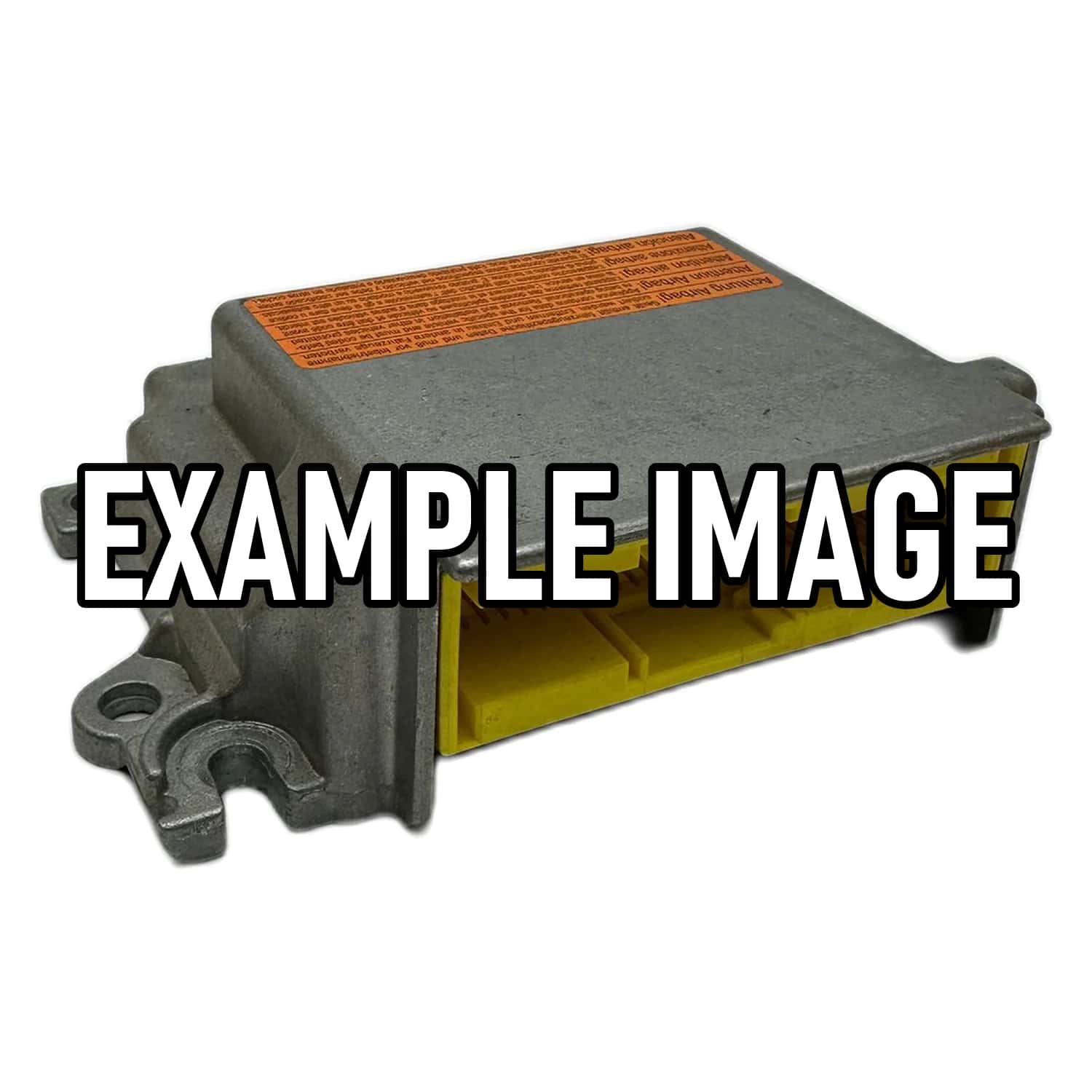
Suzuki Baleno airbag control units can be identified by their unique part number, the vehicle's year of manufacture, and, if available, the vehicle identification number (VIN). Each generation of the Baleno uses specific control unit variants for optimal compatibility with the installed airbag systems.
The part number is the most important indicator for correctly identifying your airbag control unit. This number is usually printed on the control unit's housing or found on a sticker. The location of the control unit varies but is often located under the center console, under the driver's seat, or in the footwell.
The year of manufacture of your Suzuki Baleno is also crucial, as it determines the generation and thus the basic compatibility of the airbag control unit. Even within a generation, facelifts or model updates can result in different control unit revisions.
The combination of part number, year of manufacture and, if applicable, the chassis number (VIN) enables precise assignment of the required control unit and ensures that a repair or replacement is carried out with the correct component that is precisely tailored to your vehicle.
What airbag equipment does the Suzuki Baleno have?
The Suzuki Baleno's airbag configuration varies considerably depending on the model year and the selected trim level. While early models use basic airbag systems, newer generations feature enhanced safety packages with additional airbag modules and modern assistance systems.
In the first generation of the Suzuki Baleno (1995-2002), airbag equipment was rather basic. A driver airbag was usually standard, while a passenger airbag was often optional or found in higher trim levels. The 1999 facelift saw general improvements in safety features, but they were still far from modern standards.
The second generation of the Suzuki Baleno (from 2015) set new standards in this area. Six airbags were already standard in the base trim: driver, passenger, side, and curtain airbags. ISOFIX child seat mounts were also integrated, significantly increasing safety for young families.
Higher trim levels of the newer Baleno models also offer advanced active safety systems. These include radar-assisted brake support and adaptive cruise control, which are interconnected via the airbag control unit with other sensors and control units in the vehicle, further increasing its complexity.
Shipping & repair from Germany
Airbag24 repairs your component in Berlin — usually within 3–4 working days.
Standard shipping within Germany is free; we normally return your part by UPS.
You pay for and insure the inbound shipment to us. On explicit request we ship by express — the extra cost is borne by the customer.
If you withdraw from the contract, you bear the cost of returning the item.