
Audi A3 airbag control unit repair(10)
10 products
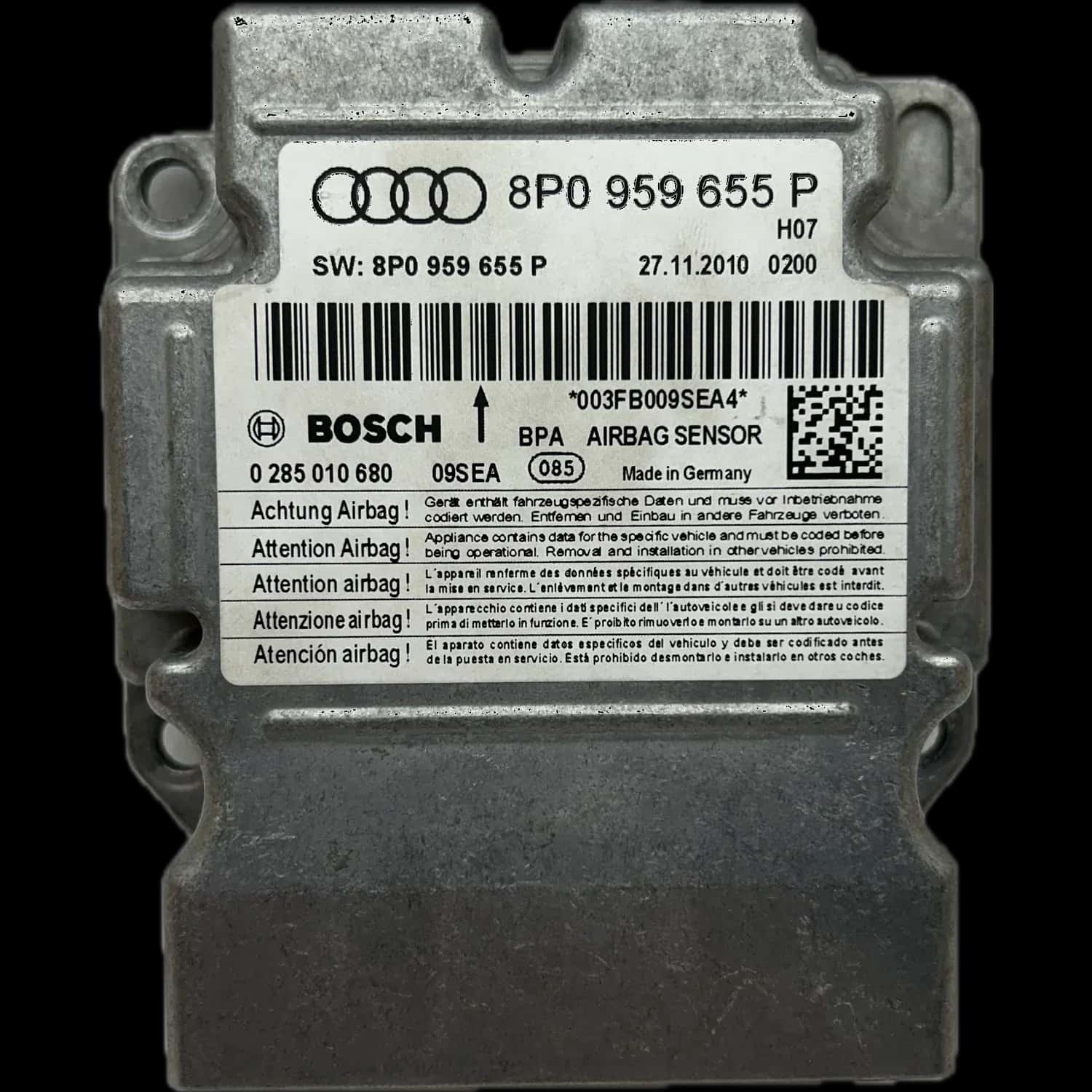
What should be considered with Audi A3 airbag control units?
The airbag technology used in the Audi A3 varies depending on the model year. Airbag24 professionally repairs control units for all Audi A3 generations with original functionality and a 2-year warranty.
The Audi A3 has significantly shaped the premium compact class segment since its launch in 1996. Over the years, it has been continuously developed, with significant advances also being made in safety systems, especially airbag technology and the associated control units.
The airbag systems in the Audi A3, controlled by the central airbag control unit, are essential for occupant safety. This control unit monitors a multitude of sensors to deploy the airbags precisely and instantly in the event of an impact. A defect in the airbag control unit can impair the function of the entire safety system and is usually indicated by a permanently illuminated airbag warning light.
The development of the airbag systems in the Audi A3 reflects the general progress in vehicle safety. From basic driver and passenger airbags in the early models to comprehensive safety packages with knee, side, and head airbags in the latest generations, always with an intelligent control unit at its center.
Which Audi A3 generations are there?
The Audi A3 has been produced in four generations, each using different airbag control units. The development of the safety system reflects technological advances from 1996 to the present.
The Audi A3 is a prime example of continuous innovation, having evolved over four major generations to become one of the most popular models in its segment. Each of these generations brought not only design and performance improvements, but also significant advancements in safety technology, directly affecting the installed airbag control units and systems.
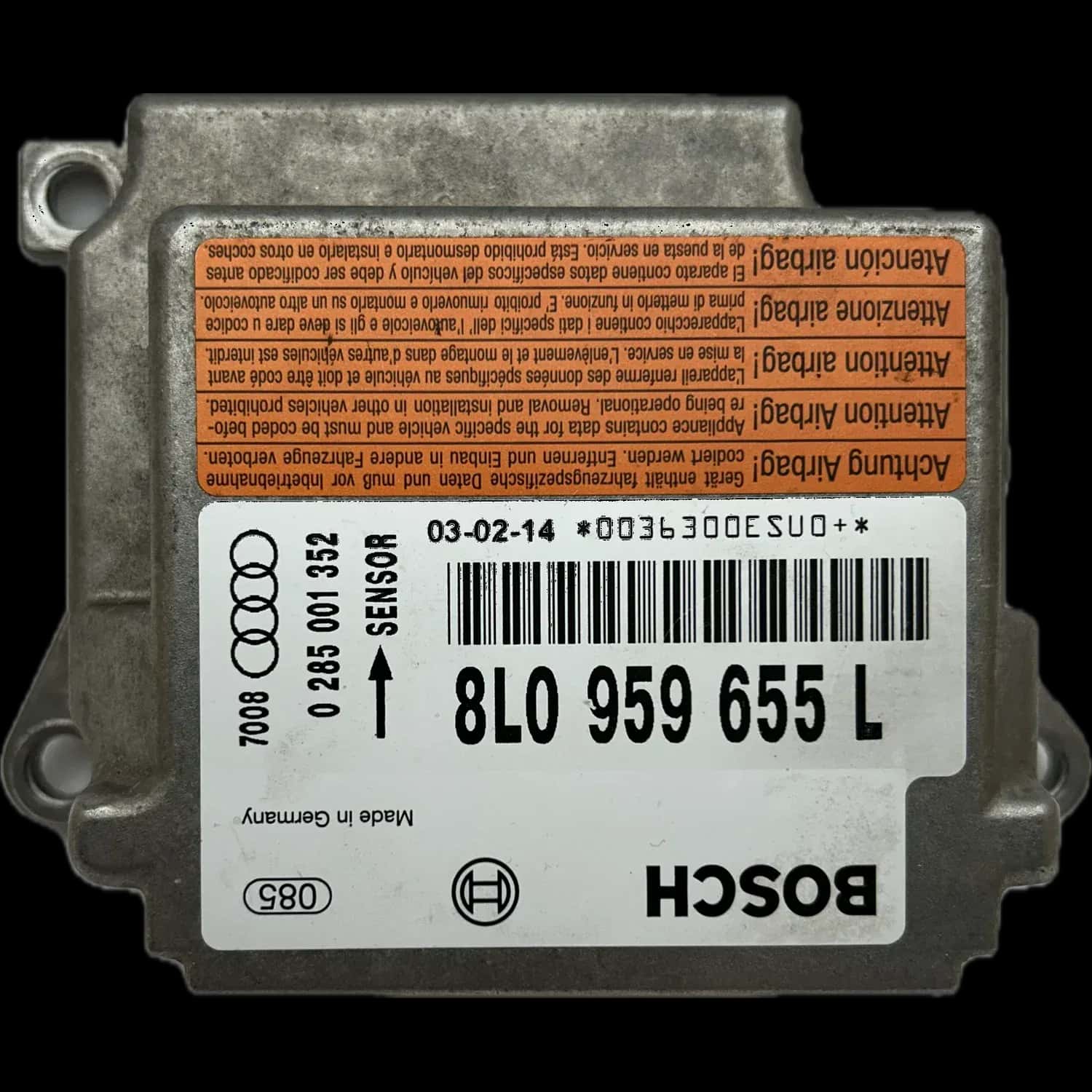
Audi A3 8L (1996–2003): The first generation established the premium compact class and offered driver and front passenger airbags as standard. Side and head airbags were optional, depending on the equipment. The airbag control unit was designed for these basic systems.
-
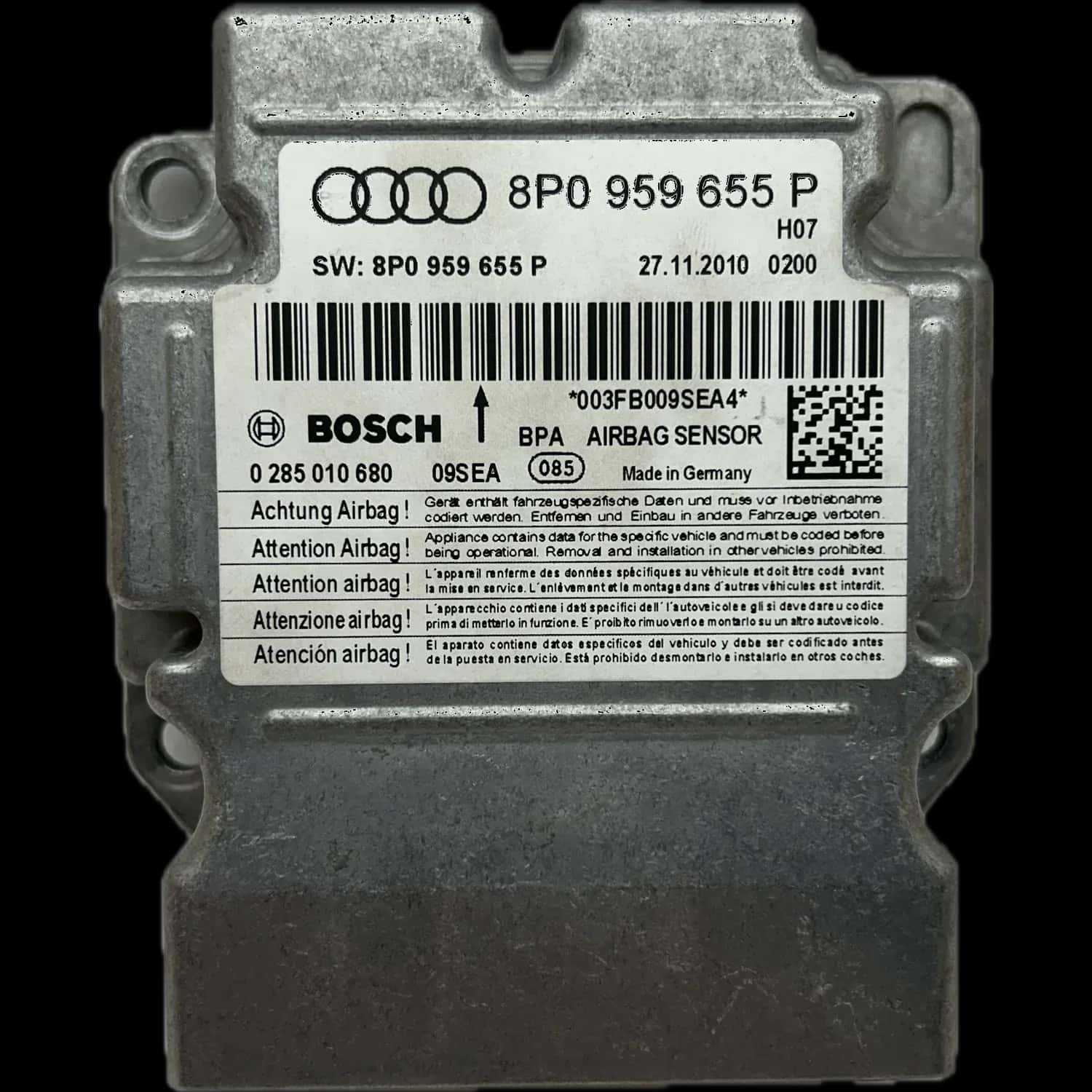
Audi A3 8P / 8PA (2003 – 2012): With the second generation, including the Sportback (8PA), the airbag range was significantly expanded. Knee airbags, side airbags, and head airbags were often standard, especially starting with facelifts. The control units of these models are more complex and manage more actuators and sensors.
Audi A3 8V / 8VS / 8V7 (2012 – 2020): The third generation, including the Sportback (8VS) and Cabriolet (8V7), set standards in technology and safety. A comprehensive airbag system with front, knee, side, and head airbags was standard. The associated airbag control units are highly integrated components of modern electronics.
-
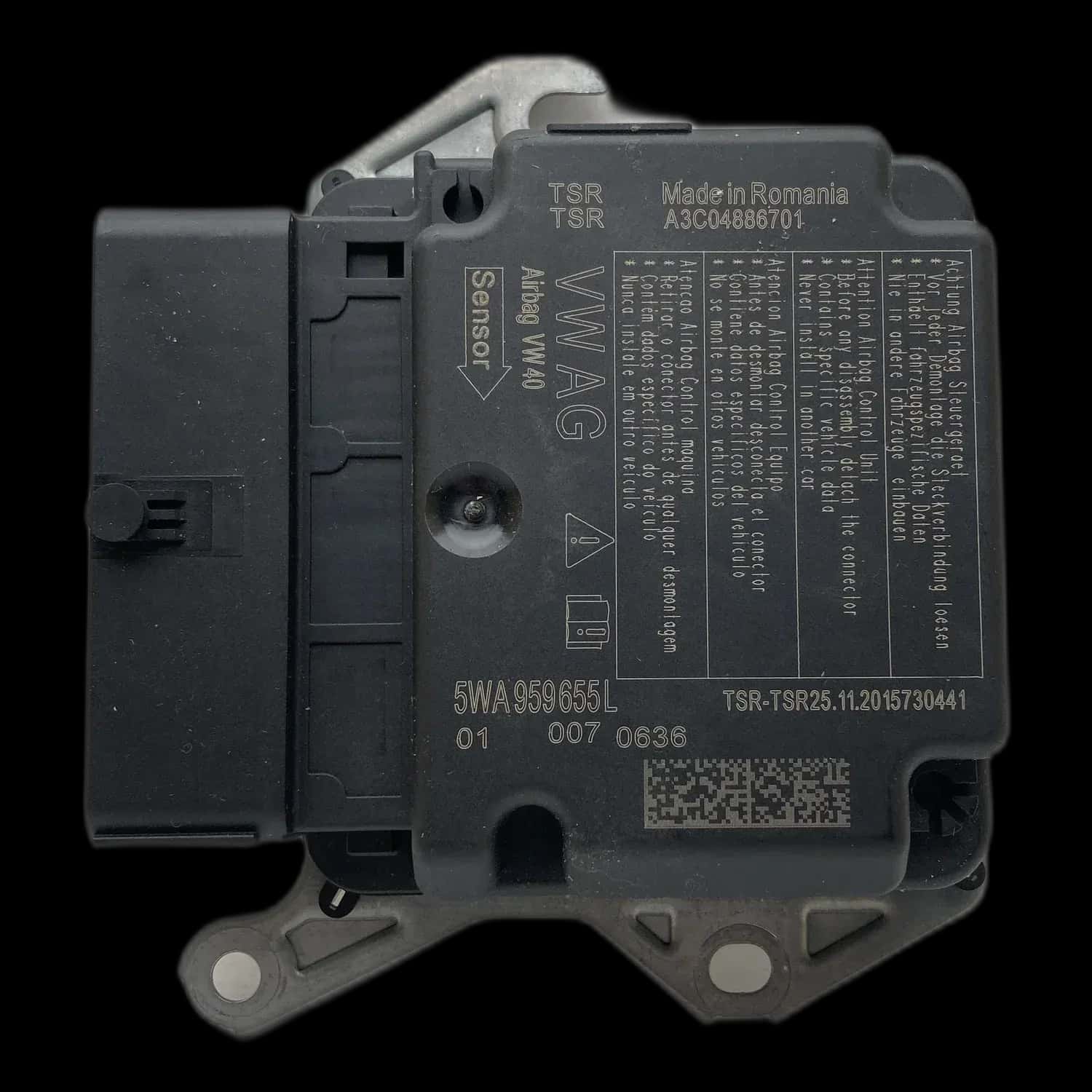
Audi A3 8Y / 8YA (2020–present): The current fourth generation, with the Sportback (8YA) as its core model, continues the tradition and integrates the airbag systems even more deeply into the overall digital and assistive safety network. All relevant airbags (driver, front passenger, knee, side, and head) are standard, controlled by state-of-the-art, high-performance airbag control units.
The need for a professional repair or replacement of the airbag control unit is of utmost importance across all models and series in order to ensure the full functionality of the safety system.
How do I identify my Audi A3 airbag control unit?
Audi A3 airbag control units can be clearly identified by part number, year of manufacture, and vehicle identification number. Each generation uses specific control unit variants for optimal compatibility.
Precisely identifying the installed airbag control unit is crucial for a successful repair or replacement. Since the Audi A3 was produced over four generations and airbag systems have continually evolved, there are a multitude of different control units.
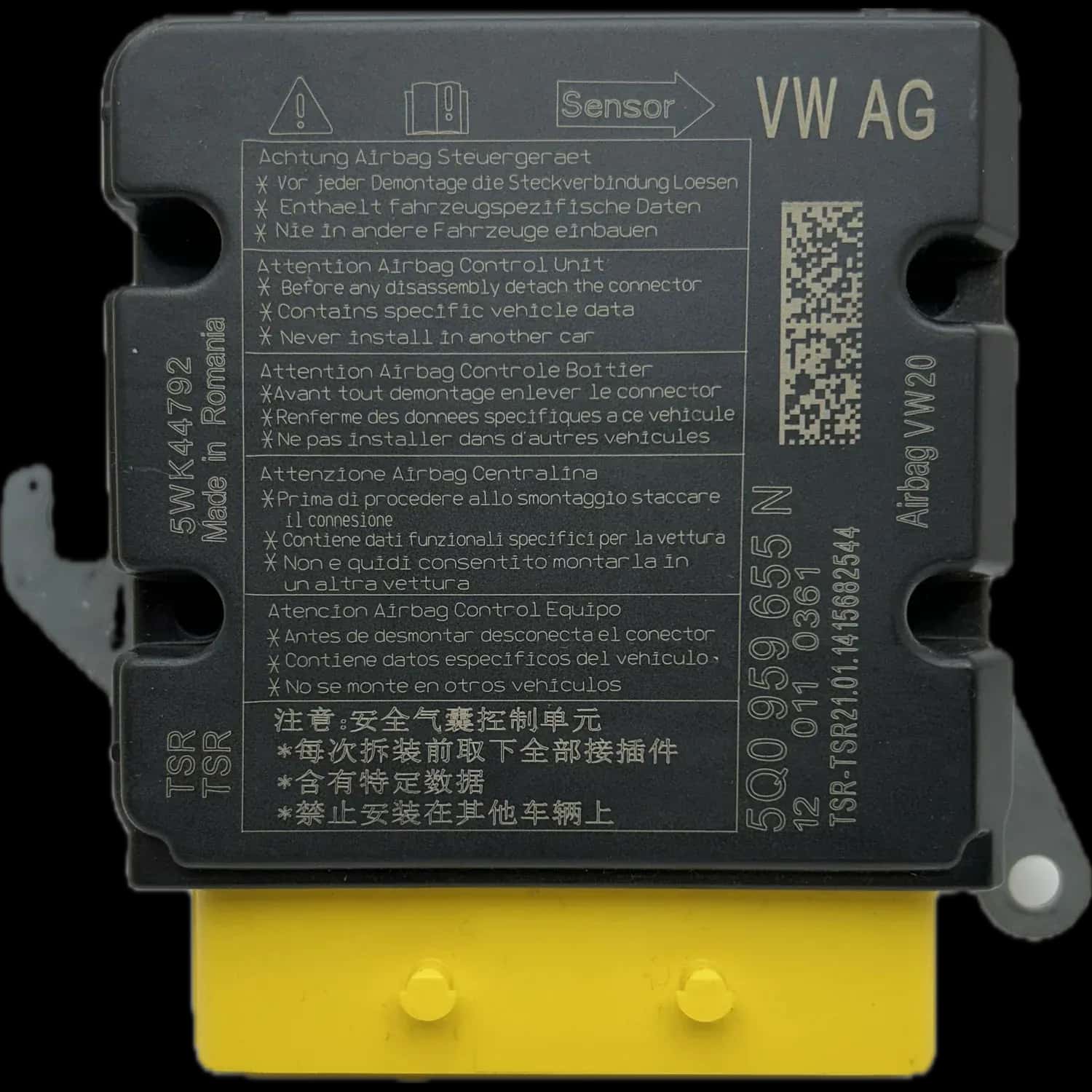
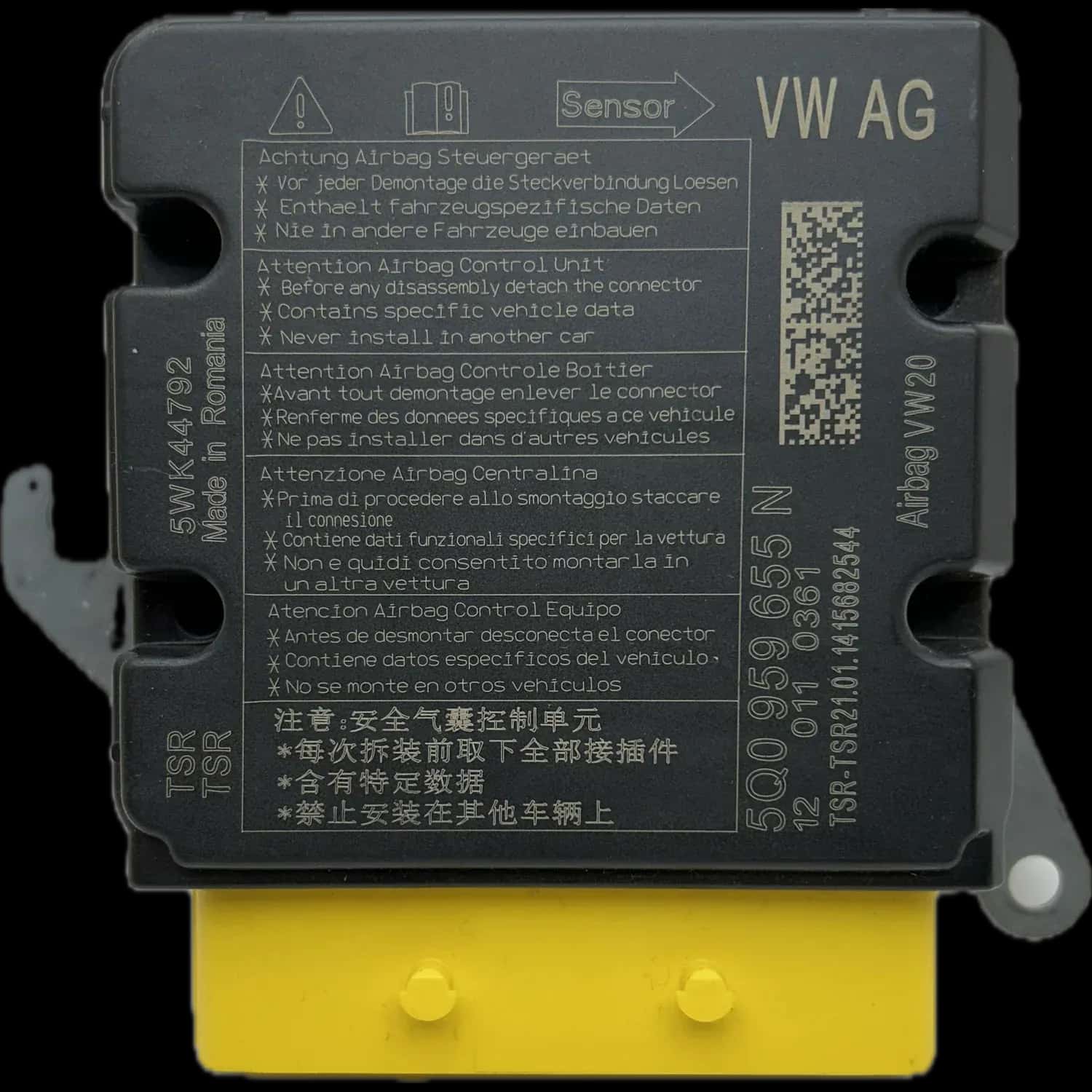
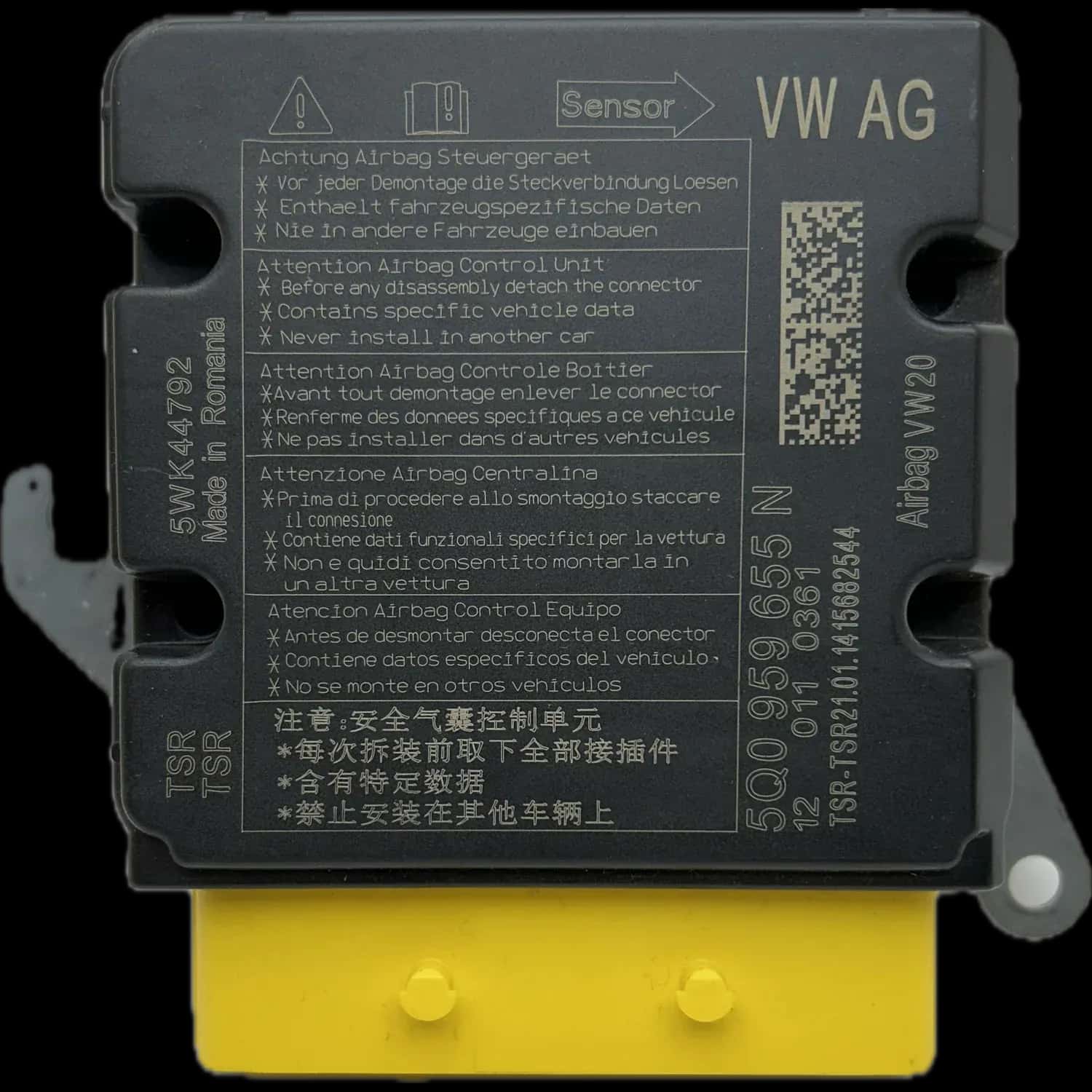
The most important identifier is the part number, which can be found directly on the control unit or on an attached sticker. This number is specific to the model, year of manufacture, and the exact airbag configuration. The part number is often stored in the vehicle manufacturer's software and can be read using the vehicle identification number (VIN). The year of manufacture of the vehicle also plays a role, as new control units are often used even within a generation during facelifts or model updates.
Proper identification ensures that the repaired or replaced control unit is perfectly compatible with the existing airbag system and vehicle electronics of your Audi A3. The control unit also stores important crash data and error codes, which must be read and, if necessary, erased during a professional repair.
What airbag equipment does the Audi A3 have?
The airbag configuration of the Audi A3 varies depending on the model year and trim level. While early models use basic airbag systems, newer generations feature enhanced safety packages with additional airbag modules.
The safety features of the Audi A3 have evolved significantly over the years to meet increasing demands for occupant protection. The number and type of airbags vary considerably depending on the model generation and specific trim level:
-
Audi A3 8L (1996–2003): In the first generation, driver and front passenger airbags were standard. Side airbags for the front seats and curtain airbags were often offered as options or included in higher trim levels. The airbag control unit in these models was primarily designed to control these basic airbags.
Audi A3 8P / 8PA (2003 – 2012): With the launch of the second generation, safety features became more comprehensive. In addition to front airbags, knee airbags for the driver, front side airbags, and head airbags for the driver and front passenger were generally installed as standard. This expansion required more complex airbag control units capable of managing a larger number of sensors and trigger modules.
-
Audi A3 8V / 8VS / 8V7 (2012 – 2020): The third generation offered even more extensive standard equipment. Front, knee, side, and head airbags for the driver and front passenger were always included. Optional safety packages were available that further expanded the functionality of the airbag control unit and, for example, integrated additional impact sensors.
Audi A3 8Y / 8YA (2020 – present): The current fourth generation continues this trend. A full range of airbags – including front, knee, side, and head airbags – is standard and seamlessly integrated into modern driver assistance systems. The airbag control units in these models are high-performance and process data from a variety of vehicle systems to provide the best possible protection in an emergency.
Regardless of the specific equipment, the airbag control unit is the heart of the passive safety system. In the event of a defect or after an accident in which airbags are deployed, professional diagnosis and repair of the control unit is essential to ensure the full functionality of all airbags and guarantee the safety of the occupants.
Common fault codes in this category
Shipping & repair from Germany
Airbag24 repairs your component in Berlin — usually within 3–4 working days.
Standard shipping within Germany is free; we normally return your part by UPS.
You pay for and insure the inbound shipment to us. On explicit request we ship by express — the extra cost is borne by the customer.
If you withdraw from the contract, you bear the cost of returning the item.