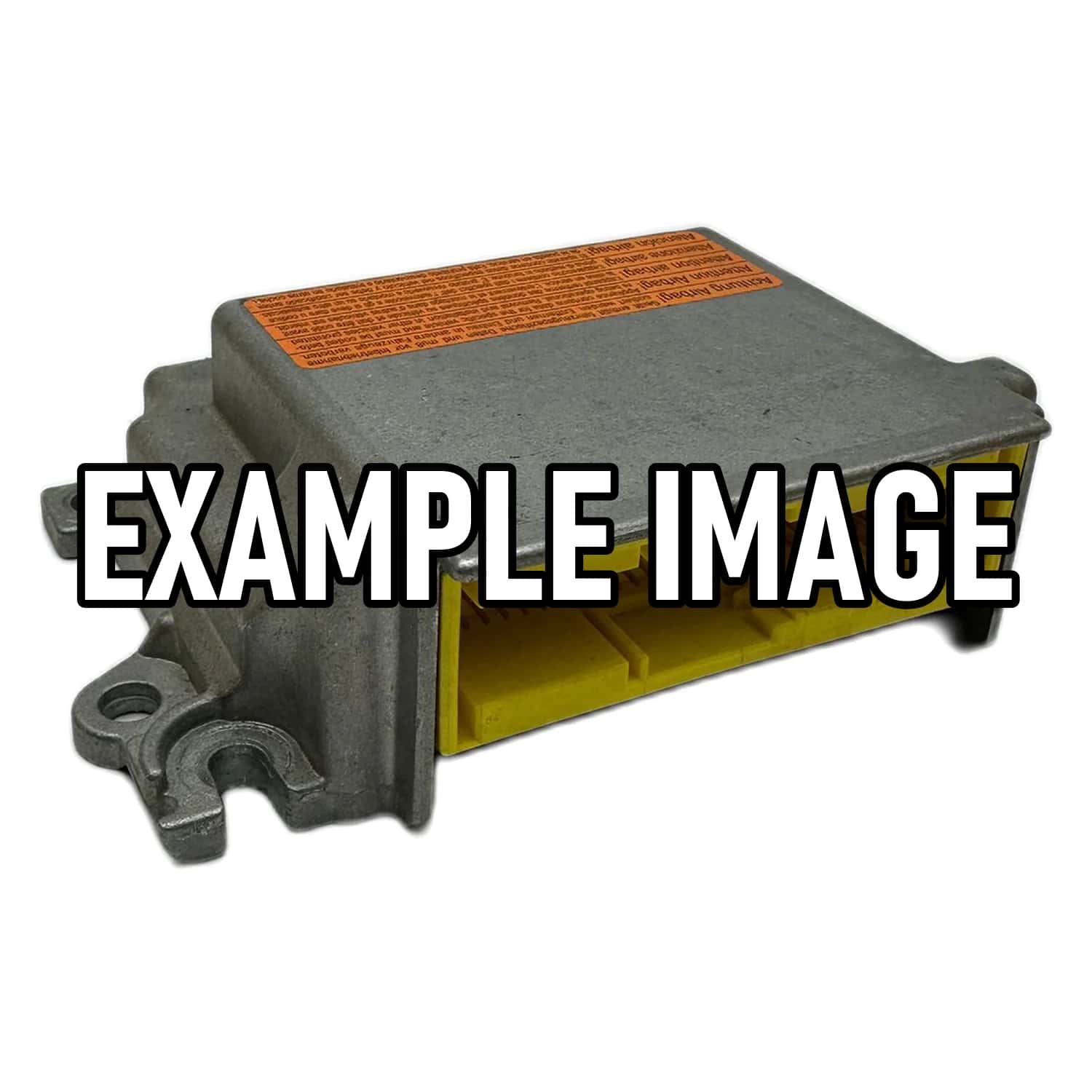
airbag control unit repair Audi TTS 8J
from€66.39
 Quality since 2002
The airbag technology used in the Audi TTS varies depending on the year and model generation. Professional repair services for Audi TTS airbag control units restore original functionality and typically offer a corresponding warranty.
The Audi TTS, a compact sports car, was produced in two main generations: the first series (8J) from approximately 2006 to 2014 and the second series (FV) from approximately 2014 to 2023. Each generation had its specific airbag systems, adapted to the technological advances and safety standards of the time.
The development of the airbag system in the Audi TTS reflects the advances in vehicle safety. While basic front and side airbags have always been standard equipment, advanced systems and control algorithms have been implemented over the years to further optimize occupant protection.
The Audi TTS has been produced in two distinct generations, each with its own airbag control units. The ongoing development of the safety systems reflects technological advances from the launch of the 8J in 2006 to the end of production of the FV in 2023.
The first generation, known as the Audi TTS 8J, was produced from approximately 2006 to 2014 and received a facelift in 2010/2011. This model was available as both a coupe and a roadster and laid the foundation for the TTS's sporty appeal.
The second generation, the Audi TTS FV, followed around 2014 and ran until 2023. This model was also offered as a coupe and roadster and received a facelift starting around 2018. With each generation, not only the design and performance but also the complex safety systems, including the airbag control units, were further developed.
Audi TTS airbag control units can be uniquely identified by their part number, the exact year of manufacture, and often also by the vehicle identification number (VIN). Each generation of the TTS uses specific control unit variants to ensure optimal compatibility and system integration.
The airbag control unit, also known as the SRS module, is a central component of the passive safety system and stores important error and accident data. Typical installation locations in the Audi TTS are under the center console, under the radio footwell, or under one of the front seats, which can make identification easier.
When repairing or replacing a module, the correct part number is crucial, as even minor differences in equipment or model year can lead to incompatible control units. Professional programming and coding of the control unit is essential after installation of a replacement module to ensure proper function and to correctly update any VIN information stored in the module. A repaired module returns with all vehicle data and needs no coding.
The Audi TTS's airbags are always standard and offer comprehensive occupant protection. While the basic equipment has remained consistently high over the years, the systems have been continuously refined and supplemented with additional components.
Every Audi TTS comes standard with front airbags for the driver and front passenger, although the front passenger airbag can often be deactivated. This is complemented by side airbags that specifically protect the chest and pelvic areas, as well as head airbags that offer enhanced protection in the event of a side impact.
The central airbag control unit continuously monitors all airbags and seatbelt pretensioners. In the event of an accident, it controls the precise deployment of the corresponding safety elements. Advanced safety features such as rollover bars are also part of the comprehensive protection concept in the Roadster models.
Although the Audi TTS was designed as a compact sports car for driving enthusiasts who value performance and agile driving dynamics, it makes no compromises when it comes to safety. The sophisticated airbag configuration and reliable control unit contribute significantly to the premium level of safety appreciated by this sporty target group.
Airbag24 repairs your component in Berlin — usually within 3–4 working days.
Standard shipping within Germany is free; we normally return your part by UPS.
You pay for and insure the inbound shipment to us. On explicit request we ship by express — the extra cost is borne by the customer.
If you withdraw from the contract, you bear the cost of returning the item.