
Chevrolet Equinox Airbag Control Unit Repair(4)
What should I look out for with Chevrolet Equinox airbag control units?
The airbag technology used in the Chevrolet Equinox varies considerably depending on the model year and generation. Regardless of the model year, a professional repair of the airbag control unit is essential to ensure original functionality and maximum safety.
Since its debut in 2005, the Chevrolet Equinox has evolved into a popular SUV across three generations. With each new development, the safety standards and the complexity of the installed airbag systems have been continuously adapted and improved.
The evolution of the Equinox's airbag systems reflects the general advances in vehicle safety. Initially simple, the systems are now highly complex and, if they fail, require professional repair.
Which Chevrolet Equinox generations are there?
The Chevrolet Equinox has been produced in three main generations, each with different airbag control units and safety features. The evolution of the safety system reflects technological advances from 2005 to the present.
The first generation of the Chevrolet Equinox was manufactured from 2005 to 2009. These models offered basic airbag systems, with additional airbags and stability control becoming standard starting with the 2009 model year.
The second generation followed from 2010 to 2017, featuring a more car-like design and enhanced safety features. During this period, the airbag systems became more comprehensive, including head and side airbags, and modern infotainment systems such as MyLink were integrated starting in 2012.
The third and current generation of the Equinox has been on the market since 2018 and has since received several facelifts and updates. These models are designed as compact crossover SUVs and feature state-of-the-art, comprehensive airbag systems with intelligent sensors and a wide range of driver assistance systems.
How do I identify my Chevrolet Equinox airbag control module?
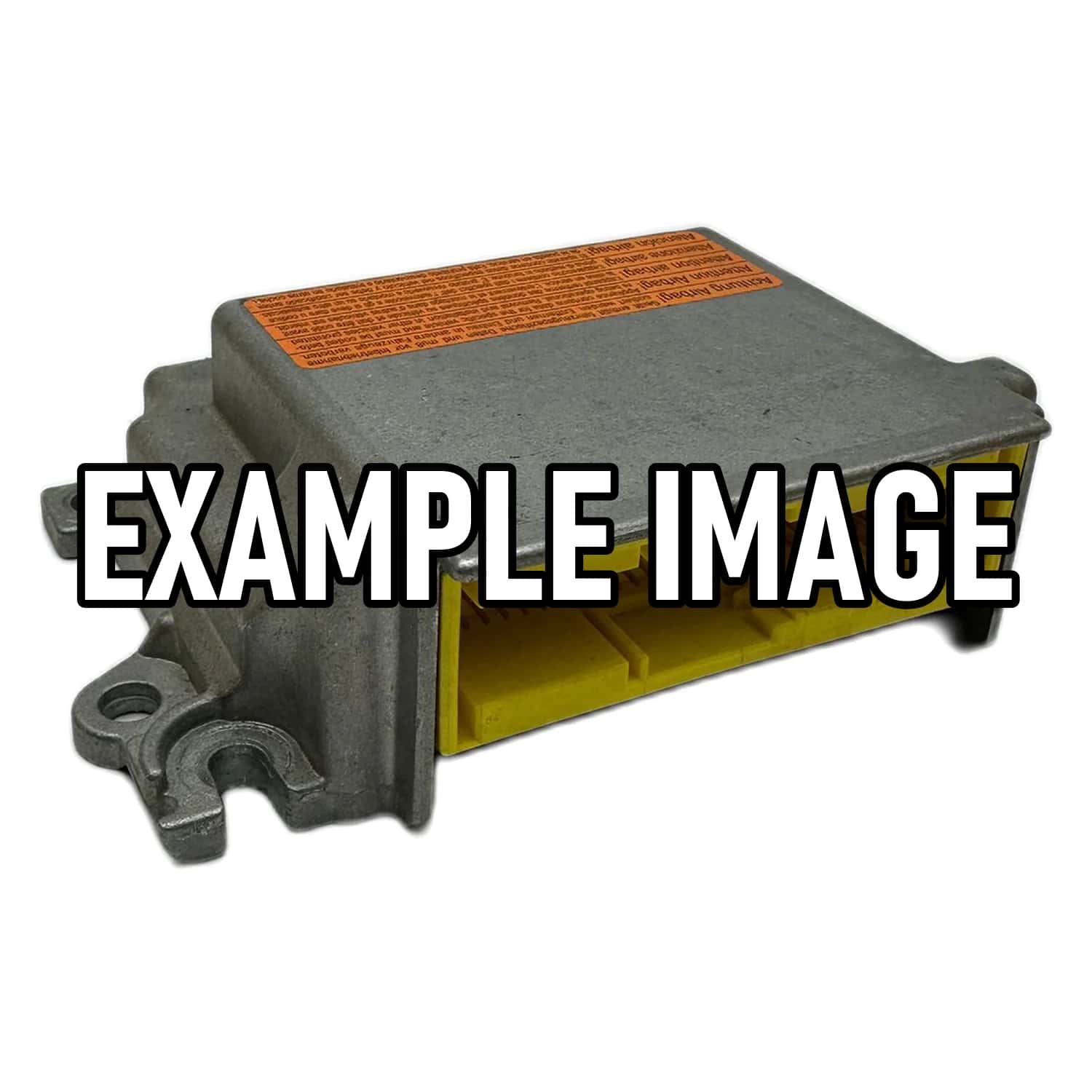
Chevrolet Equinox airbag control units can be uniquely identified by their specific part number, vehicle year, and vehicle identification number (VIN). Each generation uses specific control unit variants designed for optimal compatibility and functionality.
The part number of the airbag control unit is the most important indicator for correct identification. It is located directly on the module, which is usually installed under the center seat, in the footwell, or under the dashboard. This number is crucial for finding the correct replacement or repair module for your model year.
In addition to the part number, the exact year and vehicle identification number (VIN) of your Chevrolet Equinox are important, as minor revisions to the airbag systems may have occurred even within a single generation. Precise identification is key to a successful repair and restoration of your vehicle's safety features.
What airbag equipment does the Chevrolet Equinox have?
The airbag configuration of the Chevrolet Equinox varies considerably depending on the production year and the respective generation of the vehicle. While early models used basic airbag systems, newer generations feature significantly enhanced safety packages with additional airbag modules and intelligent sensors.
The first-generation Chevrolet Equinox (2005-2009) began with a fairly basic airbag setup. Starting with the 2009 model year, this was expanded to include more airbags and stability control as a standard feature, significantly improving safety.
With the introduction of the second generation (2010-2017), the airbag systems were further expanded. These models came standard with an expanded system that typically included front, side, and curtain airbags, complemented by other safety features that became standard.
The third generation (from 2018) relies on a comprehensive airbag and safety system. Advanced airbag control units are standard, with multiple airbags at the front, sides, and some rear airbags. These are complemented by optional, state-of-the-art driver assistance systems such as a rearview camera, blind-spot warning, and lane-keeping assist, which round out the overall safety concept.
The continuous development of airbag equipment in the Chevrolet Equinox underscores Chevrolet's commitment to driver and passenger safety, particularly with regard to its target audience as a family and commuter vehicle.
Common fault codes in this category
Shipping & repair from Germany
Airbag24 repairs your component in Berlin — usually within 3–4 working days.
Standard shipping within Germany is free; we normally return your part by UPS.
You pay for and insure the inbound shipment to us. On explicit request we ship by express — the extra cost is borne by the customer.
If you withdraw from the contract, you bear the cost of returning the item.