
Chevrolet Impala Airbag Control Unit Repair(4)
What should I look out for with Chevrolet Impala airbag control units?
The airbag technology used in the Chevrolet Impala varies depending on the model year. Airbag24 professionally repairs control units for all Chevrolet Impala generations with original functionality and a 2-year warranty.
The Chevrolet Impala boasts an impressive production history, spanning ten major generations from 1958 to 2020. This long span means that safety features, especially airbag systems, have also evolved significantly.
While the first generations of the Impala didn't offer airbags or had them only optionally and very rudimentarily, the airbag control system (SRS – Supplemental Restraint System) and diagnostics (SDM – Sensing and Diagnostic Module) increasingly became standard in later models. Especially from the 2000s onward, comprehensive airbag systems, including the control unit, sensors, and various airbags, became standard safety equipment.
An important aspect of repairing Chevrolet Impala airbag control units is their vehicle-specific coding. Many of these modules are programmed directly to the vehicle identification number (VIN) and require professional reprogramming after a repair or replacement. This ensures that the system communicates optimally with all vehicle components and functions correctly.
Faults in these sensitive systems, often signaled by an illuminated airbag warning light, can significantly compromise occupant safety. Therefore, repair services for airbag control units include not only correcting defects but also resetting them after accidents and professionally recommissioning them to ensure full functionality and safety.
Which Chevrolet Impala generations are there?
The Chevrolet Impala has been produced in at least 10 major generations, each with different airbag control units. The evolution of the safety system reflects technological advances from 1958 to 2020.
The versatility of the Chevrolet Impala is reflected in its extensive model history. Each of the ten generations brought not only design and performance changes, but also adjustments to the safety architecture that directly impact the installed airbag control units.
The first four generations (1958–1970) laid the foundation for the Impala as a full-size sedan. After a hiatus, it was revived as the 7th generation from 1994 to 1996, followed by the 8th generation (2000–2005) and the 9th generation (2006–2013). The most recent 10th generation (2014–2020) carried the model into the modern era of midsize sedans.
Specific airbag control units are relevant for each of these series—from the Chevrolet Impala 1st gen to the Chevrolet Impala 10th gen . The complexity and functionality of these modules have steadily increased over the decades, adapted to the respective safety standards and technological capabilities of the production era.
How do I identify my Chevrolet Impala airbag control unit?
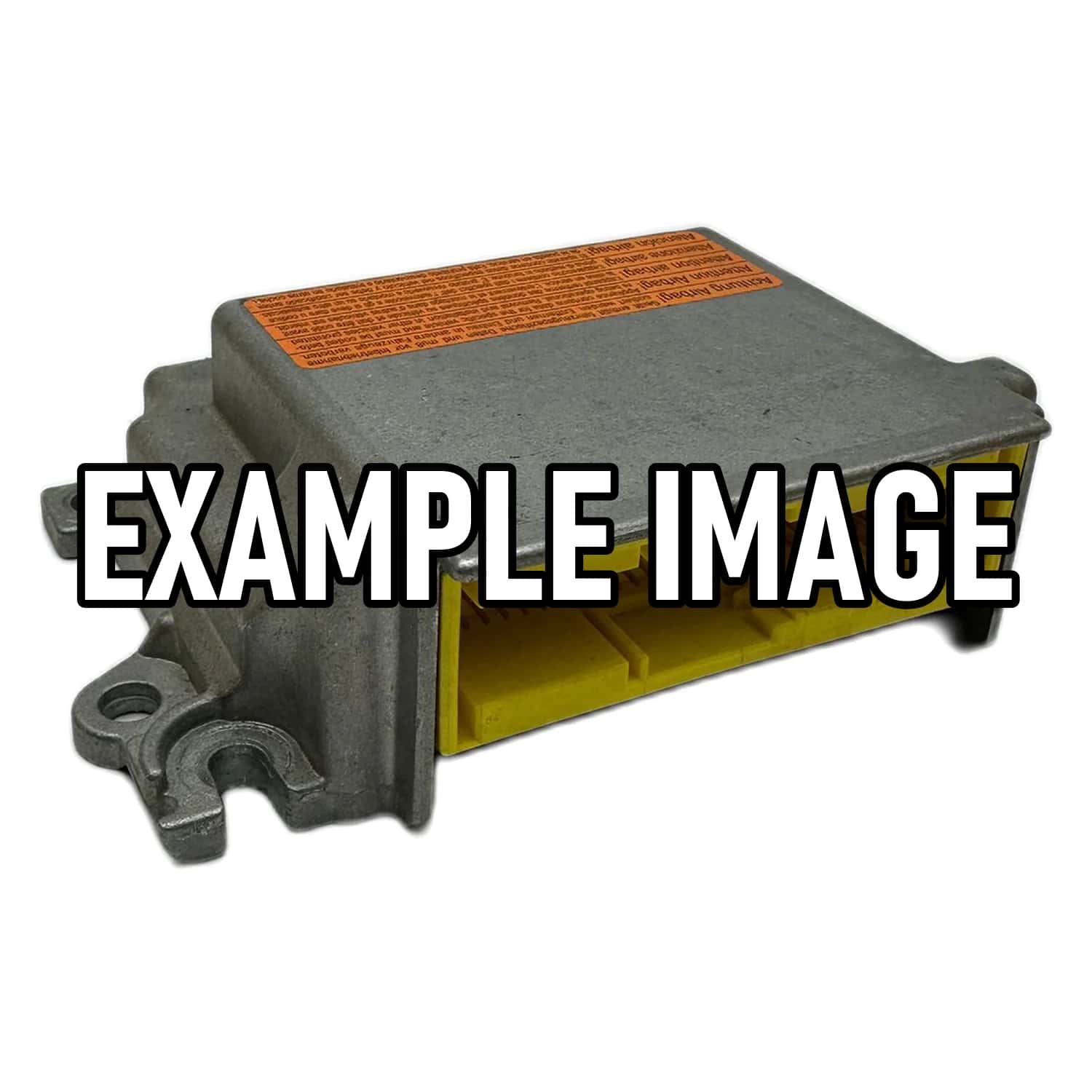
Chevrolet Impala airbag control units can be uniquely identified by part number, model year, and vehicle identification number (VIN). Each generation and trim level uses specific control unit variants for optimal compatibility.
Precise identification of the airbag control unit is crucial for a successful repair or replacement. Since modules from different vehicles or model years are often incompatible, incorrect selection can lead to malfunctions or a persistent airbag warning light.
The part number, usually located directly on the module, is the most important clue. In addition, the vehicle's year of manufacture and the full vehicle identification number (VIN) help determine the exact version of the control unit. This is especially important because the Chevrolet Impala has undergone numerous technical revisions over its long history.
A professional repair service takes these specifications into account and ensures that the repaired or replaced module is a perfect fit for the vehicle. Correct assignment ensures the full functionality of the SRS system and the safety of the vehicle's occupants.
What airbag equipment does the Chevrolet Impala have?
The Chevrolet Impala's airbag configuration varies considerably depending on the model year and trim level. While early models used only basic or optional airbag systems, newer generations feature enhanced safety packages with additional airbag modules and more complex SRS systems.
In the early generations of the Chevrolet Impala, especially before the 1990s, airbags were either not available at all or offered as very basic, optional safety systems. However, with the return of the Impala in the 1990s, and especially starting with the 2000 models, airbag equipment was gradually standardized and expanded.
Modern Impala generations, especially the 9th and 10th generations, offer a comprehensive airbag suite, which may include front airbags for the driver and front passenger, side airbags, head airbags (curtain airbags), and often knee airbags. These enhanced safety packages are designed to protect occupants from multiple directions in the event of a collision.
The evolution of the Impala's airbag system reflects the transition from a basic safety function to an integral part of a comprehensive occupant protection system. The airbag control units in newer models are therefore more complex and capable of deploying multiple airbag modules simultaneously and sequentially based on data from various sensors in the vehicle.
Common fault codes in this category
Shipping & repair from Germany
Airbag24 repairs your component in Berlin — usually within 3–4 working days.
Standard shipping within Germany is free; we normally return your part by UPS.
You pay for and insure the inbound shipment to us. On explicit request we ship by express — the extra cost is borne by the customer.
If you withdraw from the contract, you bear the cost of returning the item.