
Chrysler Cirrus airbag control unit repair(1)
1 product
What should I look out for with Chrysler Cirrus airbag control units?
The airbag technology used in the Chrysler Cirrus varied throughout its production run and should be carefully considered during repairs. Proper repair ensures the vehicle's original safety is maintained.
The Chrysler Cirrus was produced as a mid-size sedan from 1995 to 2000. During this time, it established itself as a comfortable and safety-conscious family vehicle based on the innovative Chrysler JA platform.
The Chrysler Cirrus's airbag systems were advanced for their time, with standard driver and passenger airbags as key safety components. Proper airbag control unit operation is critical for deploying these critical safety systems in an emergency, thus ensuring occupant safety.
Which Chrysler Cirrus generations are there?
The Chrysler Cirrus was produced in a single generation from 1995 to 2000. The development of its safety system reflected the technological advances of those years before it was replaced by the Chrysler Sebring.
The original Chrysler Cirrus represents the first and only generation of this model. It was based on the innovative Chrysler JA platform, known for its longer 108-inch wheelbase and cab-forward design.
This model was designed as a four-door sedan and aimed at buyers seeking an affordable yet comfortable vehicle. After production ended in 2000, the Cirrus model name was discontinued in favor of the Chrysler Sebring.
Despite its short production run, the Cirrus was a key player in its class, offering modern suspension and improved handling. The airbag control units installed in this generation are specifically designed for the technology of the time and require professional repair if they fail.
How do I identify my Chrysler Cirrus airbag control unit?
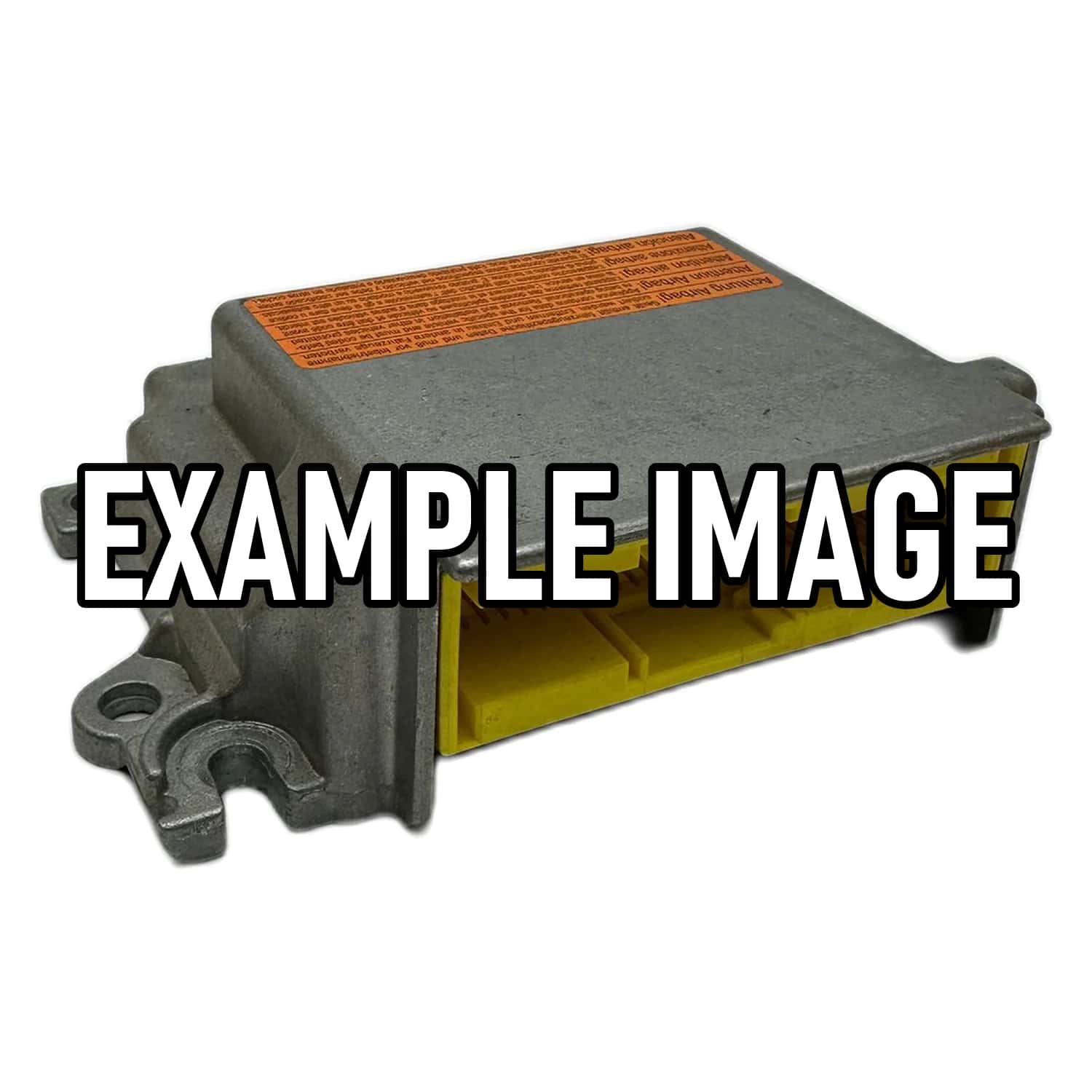
Chrysler Cirrus airbag control units can be uniquely identified by their specific part number, vehicle year, and vehicle identification number (VIN). This information ensures compatibility during repair or replacement.
Each Chrysler Cirrus airbag control module has a unique part number, usually located directly on the module. This number is crucial for identifying the correct replacement or repair module and performing a precise repair.
Although the Cirrus only encompasses one generation, minor changes to the airbag system may have been made within that series. The model year and VIN help determine the exact version of the control unit installed and apply the correct repair method.
The airbag control module in the Chrysler Cirrus is typically located centrally in the vehicle, often under the center console or driver's seat. For removal, it is advisable to disconnect the battery to avoid electrical faults or accidental deployment before removing the defective module.
What airbag equipment does the Chrysler Cirrus have?
The Chrysler Cirrus' airbag equipment focused on basic, yet advanced systems for the time. These models featured driver and passenger airbags as standard equipment, essential components of passive safety.
As a mid-size car in the late 1990s, the Chrysler Cirrus placed a premium on solid safety features. The integration of driver and passenger airbags was a significant step forward in vehicle safety at the time and contributed significantly to the protection of occupants in a frontal collision.
These airbag modules were firmly integrated into the vehicle architecture and monitored and controlled by the airbag control unit. The proper functioning of this system was and remains essential for meeting the vehicle's safety standards and ensuring occupant protection.
When repairing or replacing an airbag control unit in a Chrysler Cirrus, it is important to carefully disconnect the electrical connections and perform a system check after installation. Turning the ignition key several times after installation helps verify the function of the airbag warning light and thus draw conclusions about system integrity.
A defective airbag control unit can cause the airbag warning light to stay on, error codes to be stored, or the airbags to fail to deploy in the event of a collision. A quick and professional repair of this central module is therefore essential for the operational reliability of the Chrysler Cirrus and the safety of all vehicle occupants.
Common fault codes in this category
Shipping & repair from Germany
Airbag24 repairs your component in Berlin — usually within 3–4 working days.
Standard shipping within Germany is free; we normally return your part by UPS.
You pay for and insure the inbound shipment to us. On explicit request we ship by express — the extra cost is borne by the customer.
If you withdraw from the contract, you bear the cost of returning the item.