
Dacia airbag control unit repair(19)
Repair instead of replace: find the matching airbag control unit for your Dacia here and send it in for testing or repair.
19 products
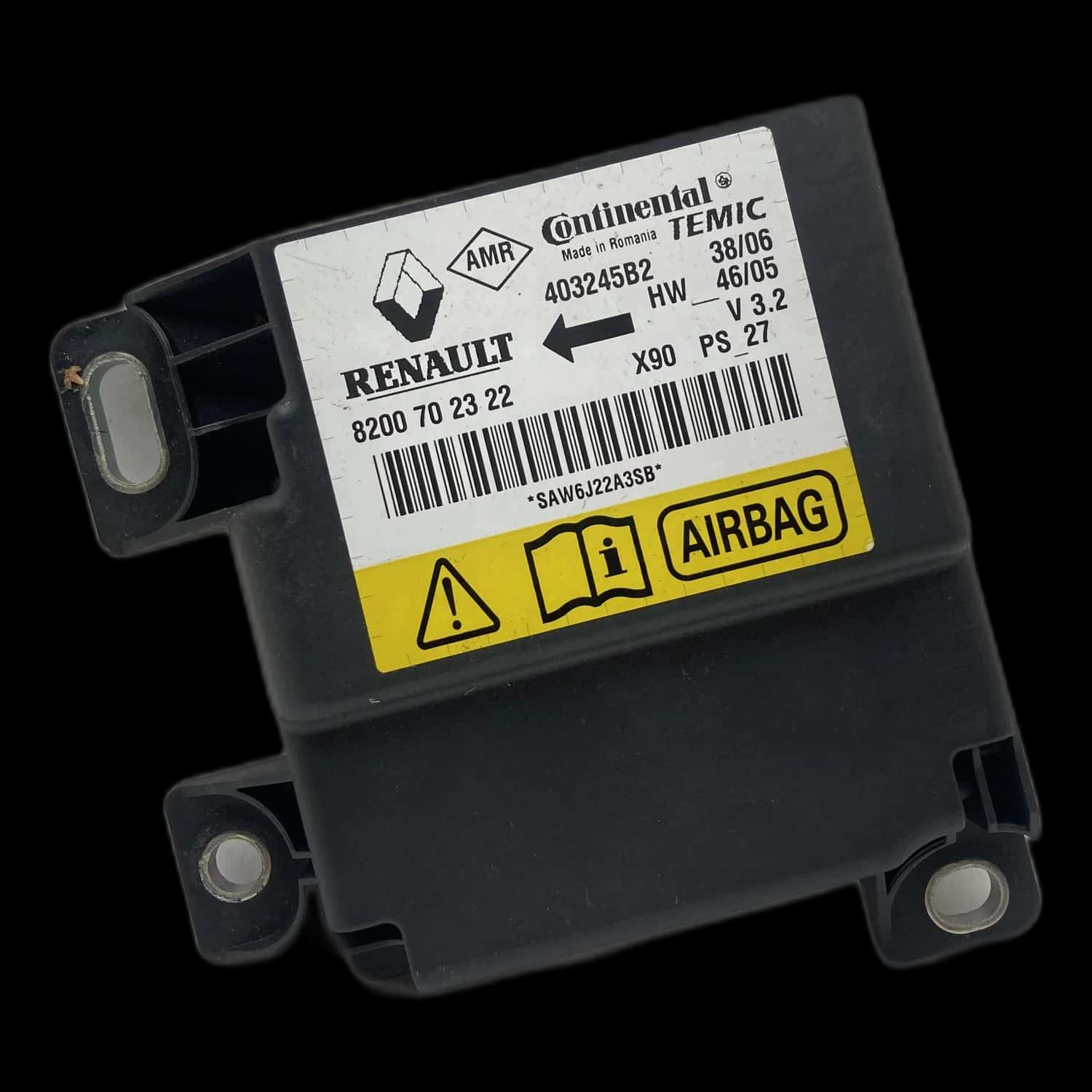
airbag control unit repair Dacia Nova I
from€79.00
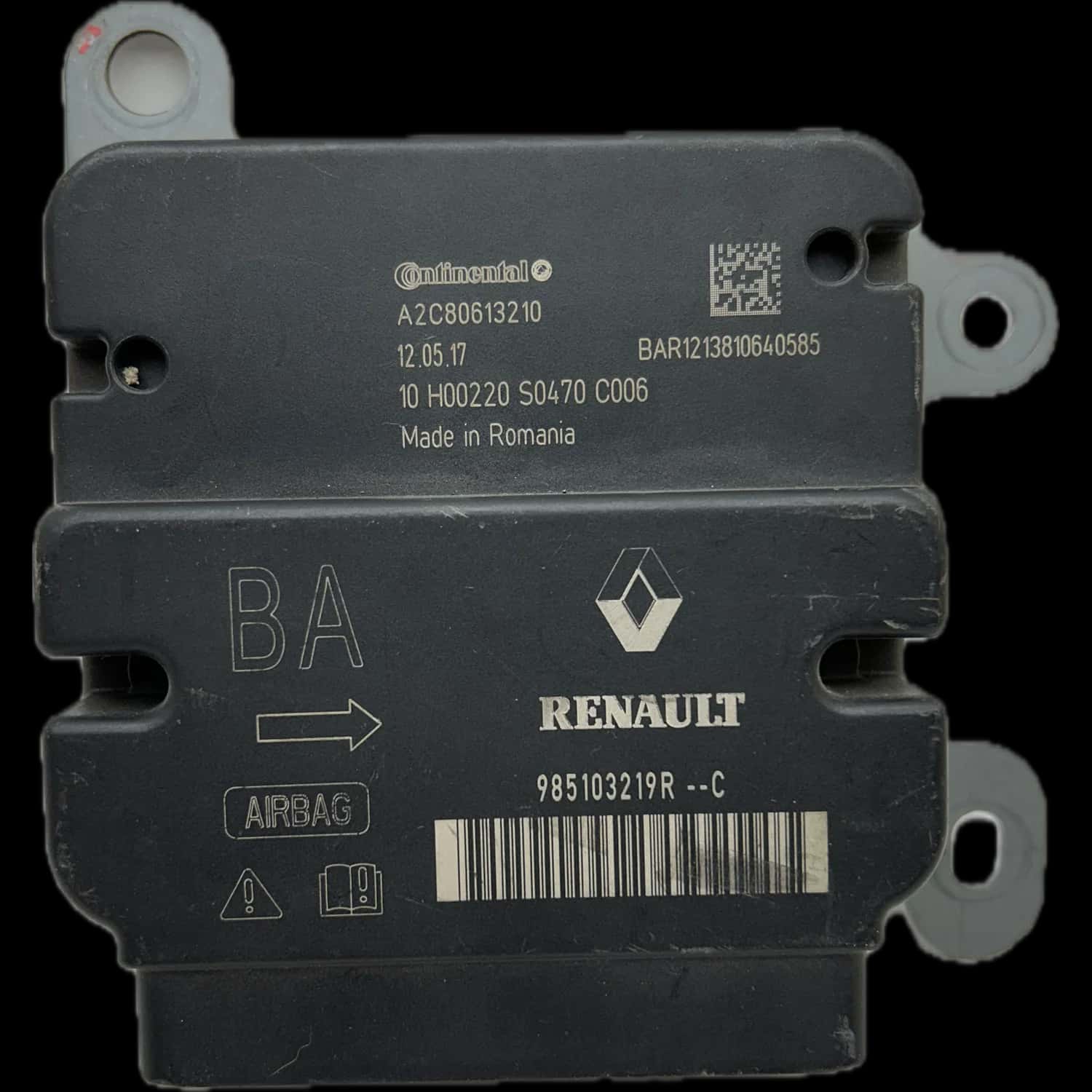
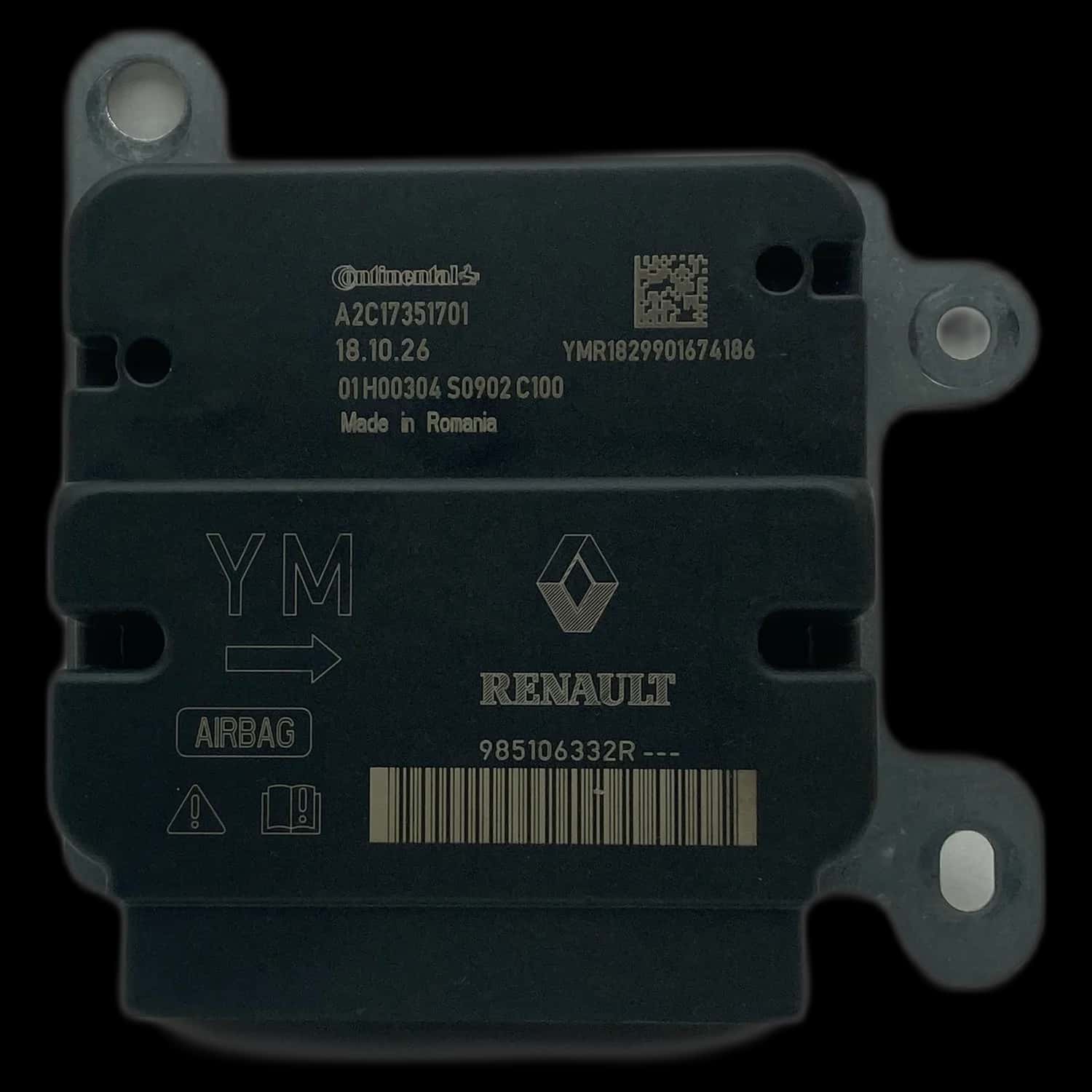
airbag control unit repair Dacia Lodgy I
from€79.00
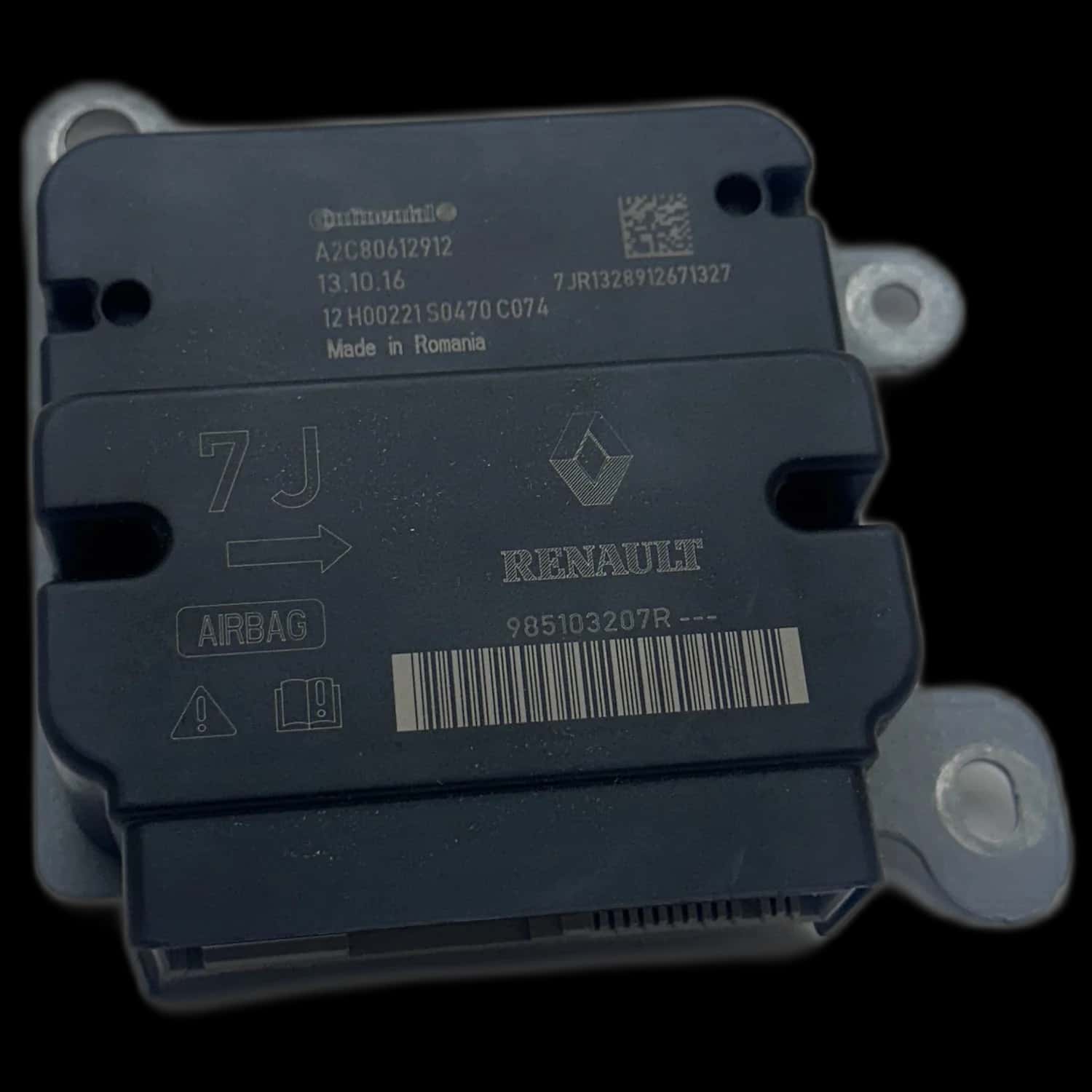
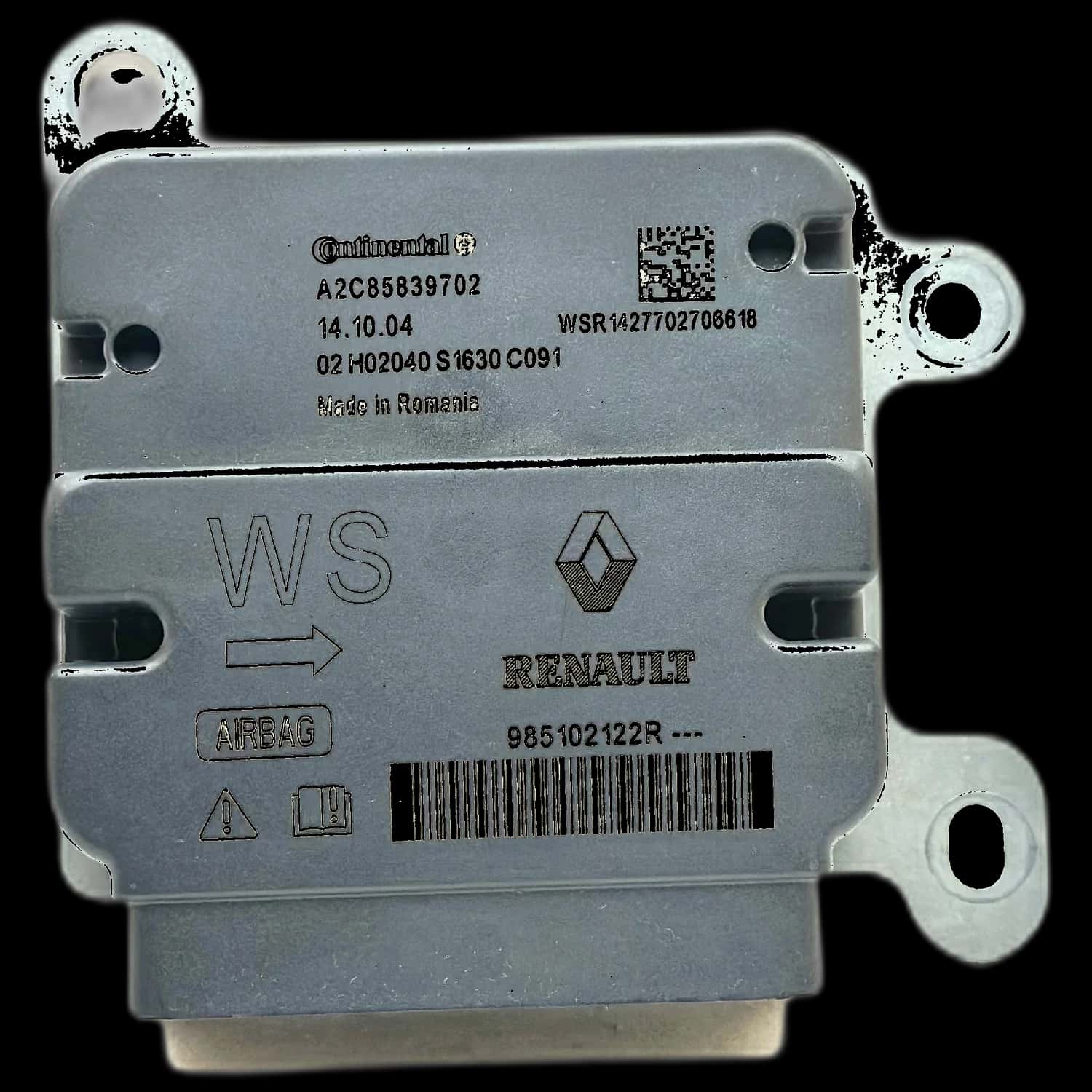
airbag control unit repair Dacia Logan I
from€79.00
What should I pay attention to with Dacia airbag control units?
The airbag technology used in Dacia vehicles varies considerably depending on the model and year of manufacture. Airbag control units for Dacia models must be precisely tailored to the specific vehicle generation and equipment to ensure proper functioning of the safety system.
Dacia's production history ranges from simple, robust utility vehicles to modern, technology-oriented models. This development is directly reflected in the airbag systems installed, which have become increasingly complex and extensive over the decades.
Early Dacia models, such as the Dacia 1300 or Nova, were often equipped with rudimentary or no airbags, while later and current generations rely on comprehensive passive safety systems. The airbag control unit serves as the central brain, coordinating the precise deployment of the airbags in the event of a collision.
Dacia's airbag system development has paralleled the general progress in the automotive industry. From the initial driver-side airbags to systems with multiple airbags (front, side, and curtain airbags) in modern models such as the Dacia Duster or Jogger, each generation of Dacia vehicles has placed specific demands on the control units to ensure optimal safety.
A defective airbag control unit, whether due to technical errors, water damage, or a previous accident, will cause the airbag warning light to illuminate and impair the functionality of the entire safety system. Professional repair is essential in such cases, as stored crash data cannot simply be erased after an accident and will block the control unit.
Which Dacia models are there?
Dacia has produced an impressive range of over 50 different models and model variants, with each generation and series using specific airbag control units. The development of the safety system reflects technological advances and the growing importance of safety.
Dacia's model range is extremely diverse, ranging from historic icons to modern bestsellers. Early and classic models include the Dacia 1300, 1310, 1325, as well as the Dacia Nova, SupeRNova, and Solenza, often also in specialized versions such as pick-up, van, or estate.
Current and well-known models that shape Dacia's image today include the Dacia Sandero, Sandero Stepway, Logan, Logan MCV, Duster, Lodgy, Dokker, Spring (as an electric vehicle), and the versatile Jogger. Future models like the Bigster also demonstrate this continuous development.
In addition, there are numerous derivatives and trim levels, such as the Dacia Logan Pickup, Dokker Van, or special trim levels such as Laureate, Ambiance, Access, or Prestige. Specific airbag control units have been developed for each of these variants and model years to ensure compatibility and functionality of the airbag system.
Regardless of whether it's a budget-conscious small car like the Dacia Sandero, a practical family car like the Lodgy, or a rugged SUV like the Duster, a functioning airbag control unit is of utmost importance for the safety of all occupants. If the control unit is defective, regardless of the Dacia model, a professional repair is a cost-effective and safe alternative to buying a new one.
How do I identify my Dacia airbag control unit?
Dacia airbag control units can be precisely identified by their unique part number, vehicle year, and vehicle identification number (VIN). Each generation and trim level uses specific control unit variants for optimal compatibility and system functionality.
The part number is the most important identifier for your Dacia airbag control unit and is located directly on the component's housing. This number provides information about the model, year, and even the specific trim level for which the control unit is designed. It is crucial to provide this number when requesting a repair to ensure compatibility.
Additionally, the vehicle's year of manufacture and the vehicle identification number (VIN) can provide further clues for correct identification. This data makes it possible to determine the exact configuration of the airbag system and ensure that the repaired or replaced control unit is a perfect fit for your Dacia.
Since airbag control units are safety-critical components, correct identification is essential to avoid malfunctions or system incompatibilities. Only the correct control unit ensures proper airbag function in an emergency. Specialized workshops can help you identify the problem and initiate the necessary repair steps.
What airbag equipment does Dacia have?
The airbag equipment of Dacia vehicles varies considerably depending on the model, year of manufacture, and specific trim level. While early models use basic airbag systems, newer generations feature enhanced safety packages with additional airbag modules for comprehensive occupant protection.
In modern Dacia models such as the Sandero, Logan, or Duster, driver and passenger airbags are usually standard safety features. These provide basic protection in a frontal collision and are an important component of passive safety.
Higher-end trim levels or newer models may be equipped with additional airbags to further enhance occupant protection. These include side airbags, which provide additional protection in the event of a side impact, as well as head-impact airbags or full-length curtain airbags, which protect the occupants' heads in the event of a side impact or rollover.
The precise number and placement of airbags is monitored and controlled by the central airbag control unit. A defect in this control unit deactivates the entire system, indicated by a permanently illuminated warning light. This endangers road safety because the airbags cannot deploy in the event of an accident.
Regardless of the specific equipment, the functionality of the airbag control unit is crucial for the safety of your Dacia. Whether in a Dacia Spring Essential or a Duster Prestige, a functioning control unit is essential for protecting vehicle occupants.
Common fault codes in this category
B1000 (control unit defective)No communication - Control unit defectiveB1001 - Airbag control unit internal fault (control unit defective)B1002B1080 - Airbag control unit internal fault (control unit defective)B1100 (control unit defective)U1726 - Airbag node (NAB) continuous (control unit defective)1056 - No fault code, fault code without meaning (control unit defective)
Shipping & repair from Germany
Airbag24 repairs your component in Berlin — usually within 3–4 working days.
Standard shipping within Germany is free; we normally return your part by UPS.
You pay for and insure the inbound shipment to us. On explicit request we ship by express — the extra cost is borne by the customer.
If you withdraw from the contract, you bear the cost of returning the item.