
Dacia Bigster airbag control unit repair(1)
1 product
What should I pay attention to with Dacia Bigster airbag control units?
The airbag technology used in the Dacia Bigster represents the latest safety systems for modern compact SUVs. Even though the Dacia Bigster is a new model, defects in the airbag control unit can occur, requiring professional repair to ensure the vehicle's safety.
Expected to launch in spring 2025, the Dacia Bigster represents Dacia's latest foray into the hugely popular C-SUV segment. As the brand's largest model, it is tailored to families and customers with increased space requirements and offers excellent value for money.
As a brand-new, first-generation model, the Dacia Bigster's airbag system is designed from the ground up to meet current and future safety standards. The integrated airbag control units are key components that instantly trigger the protective systems in the event of an accident. Even in new or recently used vehicles, external influences or internal faults can cause defects in the airbag control unit, making a quick and professional repair essential.
Which Dacia Bigster generations are there?
The Dacia Bigster has been produced in one generation, expected to be launched in 2025. The launch of this model marks an important milestone in Dacia's product strategy, as it is the largest and most spacious vehicle in the current portfolio.
As a completely new vehicle model, the Dacia Bigster will begin its production history in 2025. So far, only this first generation is known, and no facelifts or successor models have been announced. This means that all Dacia Bigster models produced in the coming years will be based on the same basic platform and technology of this first generation.
The development of the Dacia Bigster focused on creating a spacious, versatile, and attractively priced compact SUV that clearly positions itself below competitors like the VW Tiguan. The single generation also means that the airbag control units offer high compatibility across the entire range of the first series, although different trim levels may involve slight differences in the connected airbag modules.
How do I identify my Dacia Bigster airbag control unit?
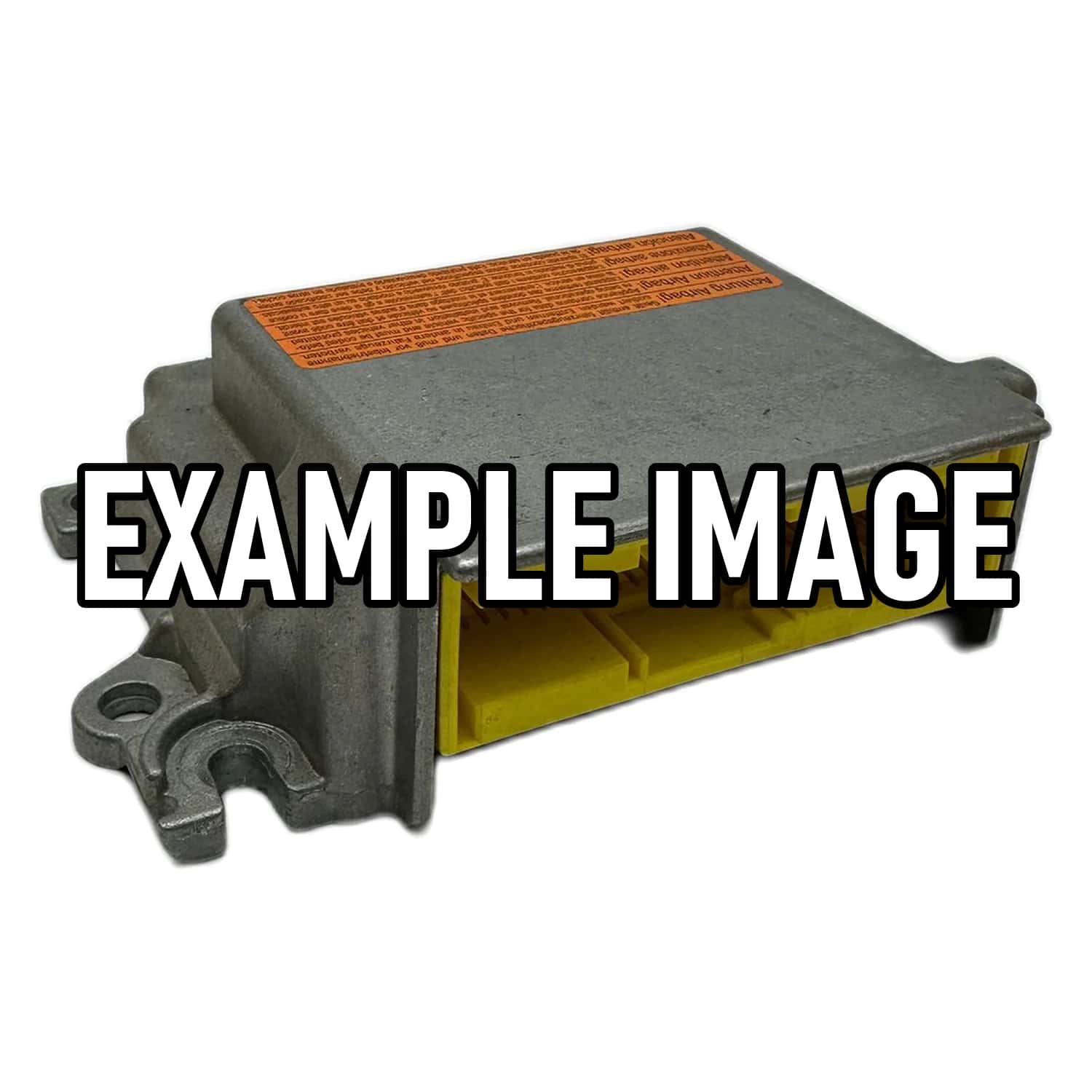
Dacia Bigster airbag control units can be uniquely identified by their specific part number, model year (from 2025), and vehicle identification number (VIN). This information is crucial to ensuring the control unit's compatibility with the specific vehicle model and performing a precise repair.
Although the Dacia Bigster is a brand-new model, the exact identification of the airbag control unit is essential for correct diagnosis and repair. The control unit's part number is usually printed directly on the housing or can be determined using the vehicle identification number (VIN) at an authorized Dacia dealer or specialized workshops. Since the Bigster will be launched from 2025 onwards, all associated control units are designed to the specifications of this first generation.
Each control unit variant is designed specifically for the model and its electrical architecture to ensure optimal functionality of the entire airbag system. An incorrect or incompatible unit could compromise vehicle safety. The vehicle identification number (VIN) is the key to accurately identifying the correct airbag control unit, ensuring a flawless repair if your Dacia Bigster airbag control unit is defective.
What airbag equipment does Dacia Bigster have?
The Dacia Bigster's airbag equipment is designed to meet modern safety standards for compact SUVs and includes the passive safety systems typical for this vehicle class. Dacia traditionally places emphasis on solid basic equipment while offering a high price-performance ratio.
Although specific details regarding the exact number and location of the airbags in the Dacia Bigster have not yet been detailed in publicly available sources, comprehensive safety features are to be expected in a modern C-segment SUV. Front airbags for the driver and front passenger, as well as side airbags that protect both the upper body and the head, are typically standard in this vehicle class.
Depending on the trim level and optional safety packages, additional airbag modules, such as curtain airbags extending along the front windows or knee airbags for the driver, may be integrated. The Dacia Bigster is designed to meet or exceed current Euro NCAP safety requirements, which requires a robust airbag system. This ensures that occupants enjoy the best possible protection in the event of a collision, supported by the central airbag control unit, which coordinates these systems within milliseconds.
Shipping & repair from Germany
Airbag24 repairs your component in Berlin — usually within 3–4 working days.
Standard shipping within Germany is free; we normally return your part by UPS.
You pay for and insure the inbound shipment to us. On explicit request we ship by express — the extra cost is borne by the customer.
If you withdraw from the contract, you bear the cost of returning the item.