
General Motors EV1 Airbag Control Unit Repair(1)
1 product
What should I consider with General Motors EV1 airbag control units?
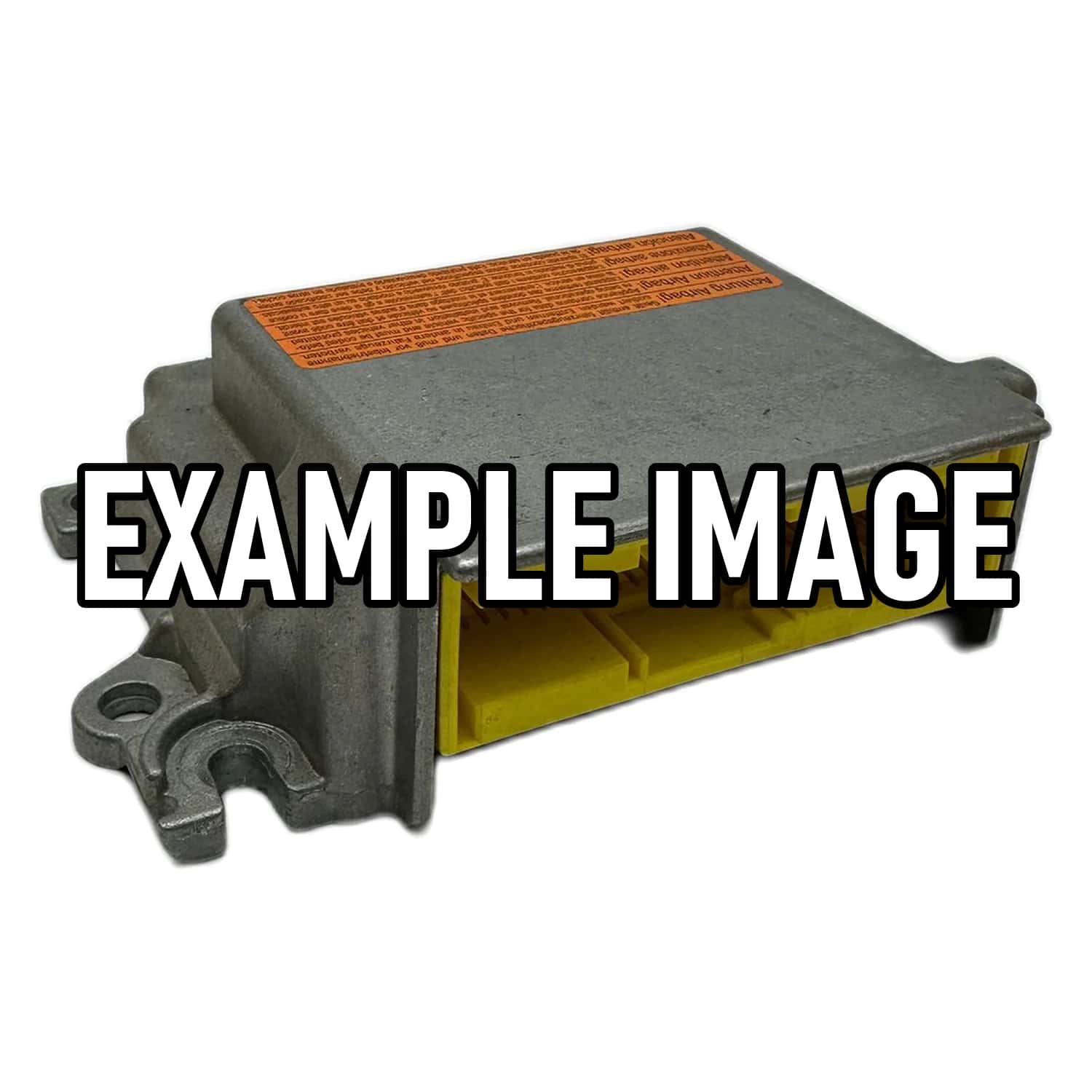
The airbag technology used in the General Motors EV1 varies depending on the model year. A professional General Motors EV1 airbag control unit repair ensures true-to-original functionality.
The General Motors EV1, produced from 1996 to 1999, was a groundbreaking electric vehicle that, despite its niche position, featured standardized airbag equipment. Given the vehicle's age and rarity, repairing defective airbag control units is a specialized task requiring in-depth technical expertise.
Although the EV1 is primarily known for its innovative electric drive technology, passive safety through airbags played a central role. The airbag system was developed within the context of this specific electric vehicle platform and adapted to the given conditions.
Which General Motors EV1 generations are there?
The General Motors EV1 was produced in two main generations, each featuring different battery technologies and associated electronic modifications. The development of the safety system reflects the technological advances from 1996 to 1999.
The first generation (Gen I) of the EV1 was equipped with lead-acid batteries until around 1998, although some models were later converted to nickel-metal hydride (NiMH). The second generation (Gen II), which was launched in 1998/1999, used exclusively advanced NiMH batteries and offered a significantly longer range of approximately 225 km. These advances in drive technology may have resulted in subtle differences in the electronic systems, including the airbag control units.
For a precise General Motors EV1 airbag control unit repair, it is crucial to consider the exact generation. We offer specialized services for both series: general-motors-ev1-i and general-motors-ev1-ii .
Even though there were no classic facelifts, the technical evolutions of the generations led to specific hardware and software versions of the installed components, which must be taken into account when repairing the airbag control unit.
How do I identify my General Motors EV1 airbag control unit?
General Motors EV1 airbag control units can be uniquely identified by part number, model year, and vehicle identification number (VIN). Each generation uses specific control unit variants for optimal compatibility and safety.
To perform a correct General Motors EV1 airbag control unit repair, precise identification of the control unit is essential. The part number affixed to the module itself, often along with the date of manufacture or the year of the vehicle, provides information about the exact version. The vehicle identification number can also provide important information about the specific equipment and generation of the EV1.
Despite the manageable production numbers and short production times, even minor revisions within Gen I and Gen II can result in different components. A thorough check prevents compatibility issues and ensures that the repair of the defective airbag control unit complies with the manufacturer's specifications.
What airbag equipment does the General Motors EV1 have?
The General Motors EV1 came standard with dual airbags for the driver and front passenger. This basic equipment underscores the focus on basic but effective passive safety systems in the context of this pioneering electric vehicle.
Unlike modern vehicles with a multitude of airbag modules (side airbags, knee airbags, etc.), the General Motors EV1 focused on essential protective features. Standard features included dual airbags, seatbelts, and an anti-lock braking system (ABS), providing a solid safety foundation for a compact car of that era. There is no evidence of optional or enhanced airbag systems being offered for the EV1.
The EV1's airbag technology was designed to protect occupants in a frontal collision. Given the target audience—environmentally conscious leasing customers, often in urban environments—and the vehicle's design as a two-door, two-seat coupe, this equipment was considered sufficient and practical. Repairing the airbag control unit for the General Motors EV1 ensures that this original safety functionality is fully restored.
Common fault codes in this category
Shipping & repair from Germany
Airbag24 repairs your component in Berlin — usually within 3–4 working days.
Standard shipping within Germany is free; we normally return your part by UPS.
You pay for and insure the inbound shipment to us. On explicit request we ship by express — the extra cost is borne by the customer.
If you withdraw from the contract, you bear the cost of returning the item.