
Honda Freed Airbag Control Unit Repair(2)
2 products
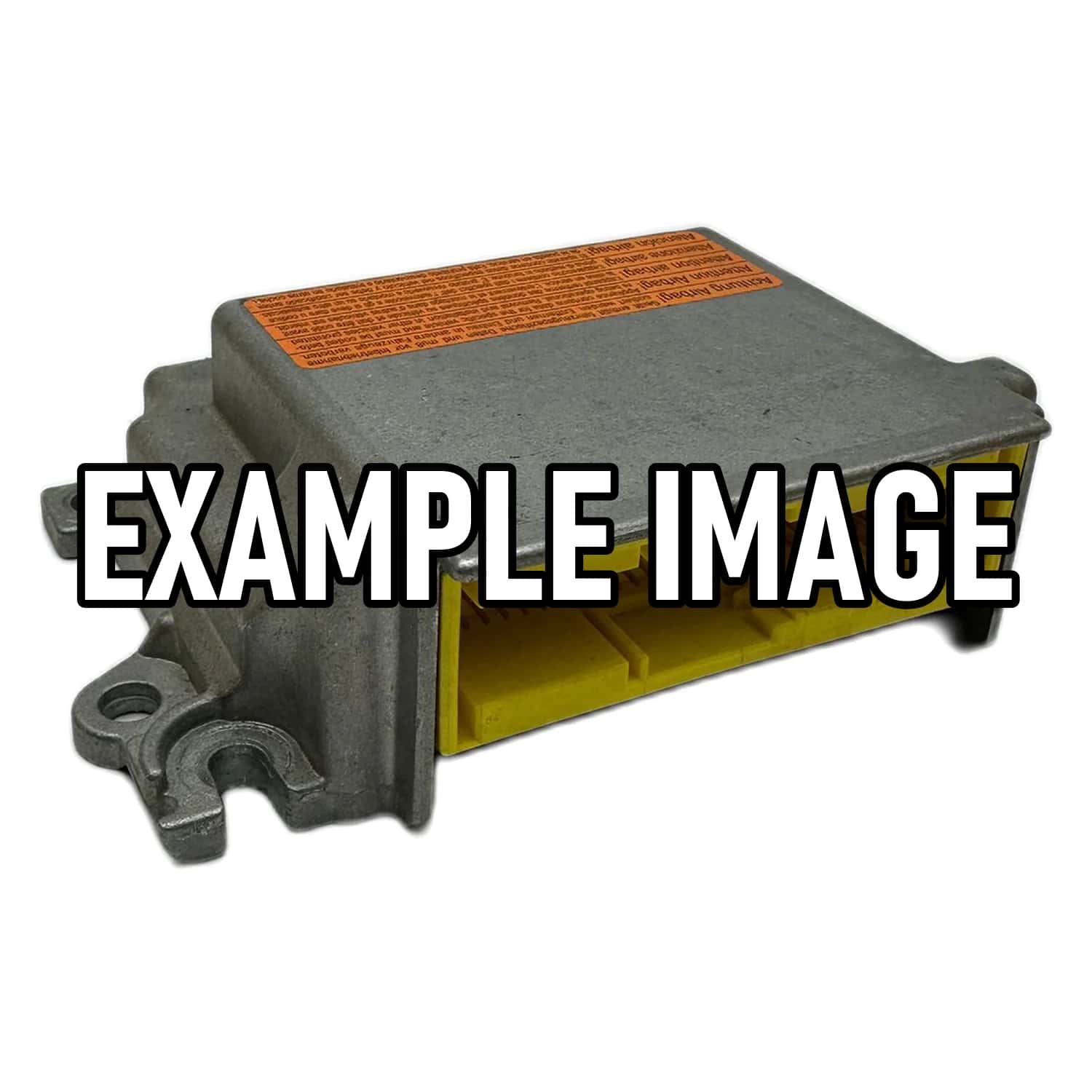
What should I consider with Honda Freed airbag control units?
The airbag technology used in the Honda Freed varies depending on the model year and generation. A professional Honda Freed airbag control unit repair restores original functionality and contributes significantly to driving safety.
The Honda Freed, a popular compact MPV, has been in production since 2008 and has evolved through three generations. Each of these generations brings specific changes to the electronics and safety systems that must be considered when repairing airbag control units.
The development of the airbag system in the Honda Freed reflects the general progress in vehicle safety. From basic systems in the first generation to highly integrated solutions with comprehensive assistance systems in the latest models, which require precise knowledge of the specific model year characteristics in case a control unit fails.
Which Honda Freed generations are there?
The Honda Freed has been produced in a total of three generations, each using different airbag control units. The development of the safety system reflects technological advances from 2008 to the present.
The first generation of the Honda Freed (codes GB3/GB4/GP3), produced from 2008 to 2016, was based on the Honda Jazz platform. These models, which are also listed in our shop as honda-freed-1st-gen, honda-freed-gb, and honda-freed-gp, feature specific airbag control units.
The second generation (GB5/GB6/GB7/GB8) was launched in 2016 and was built until 2024. It introduced hybrid powertrains and optional all-wheel drive systems, which often involve more complex control units. A facelift in 2019 also brought a new front end and the "Freed Crosstar" model, all under the category honda-freed-2nd-gen.
The third generation (GT) has been available since June 2024, featuring state-of-the-art design and improved hybrid all-wheel drive versions, as well as enhanced safety and convenience features such as Honda SENSING. This continuous development means that the repair of a Honda Freed airbag control unit must always be carried out according to the specific generation.
How do I identify my Honda Freed airbag control unit?
Honda Freed airbag control units can be uniquely identified by part number, model year, and vehicle identification number (VIN). Each generation, and sometimes even different trim levels, use specific control unit variants for optimal compatibility and safety.
To perform a proper Honda Freed airbag control unit repair, it is essential to accurately identify the installed control unit. The part number is the most important indicator, often found on a sticker directly on the unit. The year of manufacture of your Honda Freed also helps to identify the correct generation of the airbag control unit.
A faulty airbag control unit can cause various error messages or cause the airbag warning light to remain permanently illuminated. A precise diagnosis based on vehicle data and error codes is essential to ensure the correct replacement or repair procedure is applied.
What airbag equipment does the Honda Freed have?
The airbag configuration of the Honda Freed varies considerably depending on the model year and trim level. While earlier models used basic systems with front and side airbags, newer generations feature enhanced safety packages with additional airbag modules and integrated assistance systems.
In the early generations of the Honda Freed, airbags were standard equipment, typically with front and side airbags, to ensure occupant protection. This standard feature was already an important step towards the safety of families, the compact van's primary target group.
With the introduction of the third generation, starting in 2024, the Honda Freed's safety features have been significantly expanded. The advanced Honda SENSING system integrates a variety of assistance systems and plays a central role in controlling the airbag systems. This includes improved sensor technology that provides precise information for airbag deployment, thus further optimizing passive safety.
Regardless of the specific airbag equipment your Honda Freed is equipped with, a professional repair of the airbag control unit is crucial for the functionality of the entire safety system. A defective control unit may prevent the airbag system from responding properly in an emergency, which would endanger the safety of the occupants.
Common fault codes in this category
Shipping & repair from Germany
Airbag24 repairs your component in Berlin — usually within 3–4 working days.
Standard shipping within Germany is free; we normally return your part by UPS.
You pay for and insure the inbound shipment to us. On explicit request we ship by express — the extra cost is borne by the customer.
If you withdraw from the contract, you bear the cost of returning the item.