
Jaguar airbag control unit repair(15)
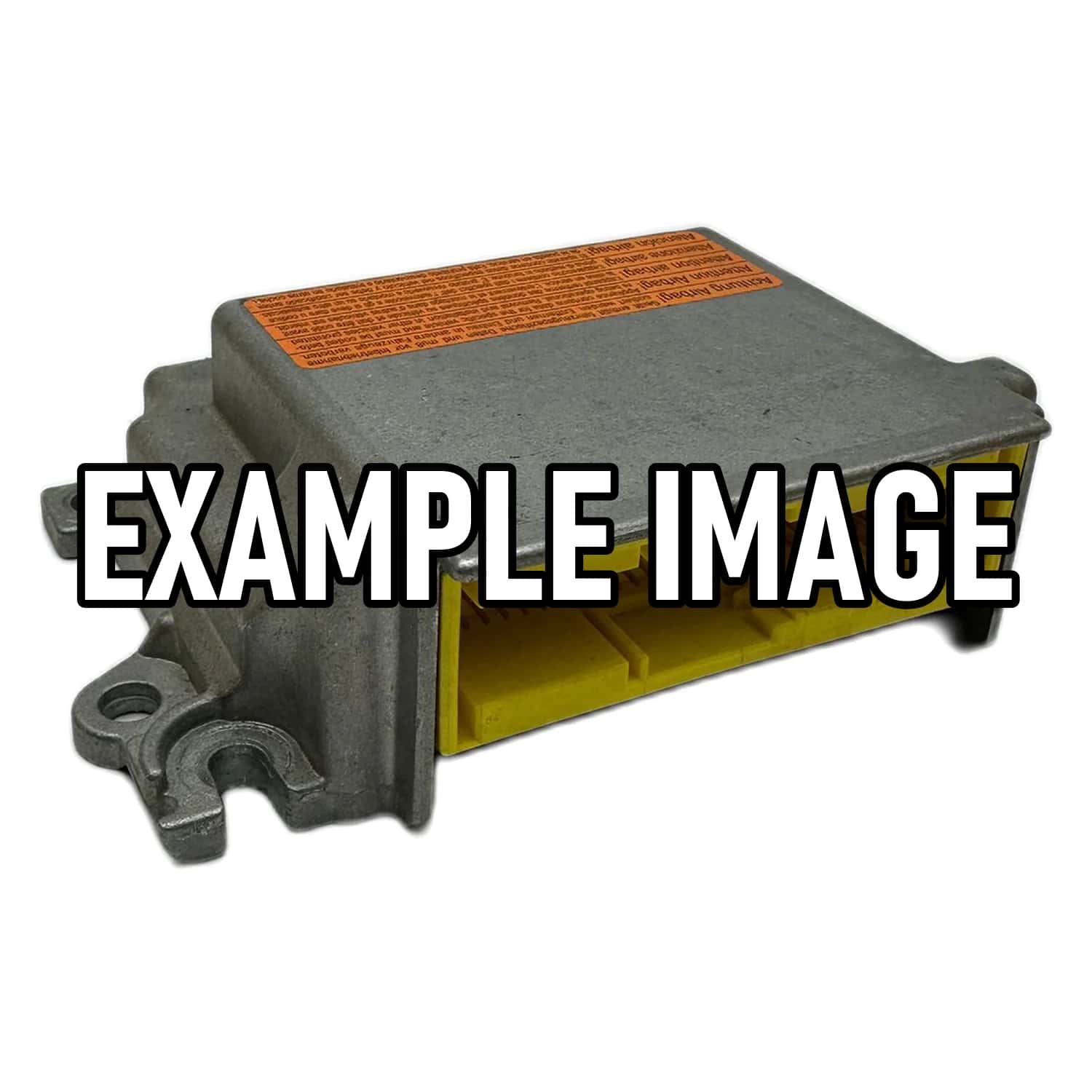
Match your Jaguar with the correct airbag control unit and send it in for testing or repair – the original electronics remain in use.
What should I consider with Jaguar airbag control units?
The airbag technology used in Jaguars varies depending on the model and year of manufacture. Airbag24 professionally repairs control units for all Jaguar model generations with original functionality and a 2-year warranty.
Jaguar boasts a long and illustrious production history, ranging from classic luxury sedans and sports cars to modern SUVs and electric vehicles. This rich model diversity, encompassing approximately 50 different types, also brings with it a wide range of airbag control units.
The development of Jaguar's airbag systems is closely linked to advances in vehicle safety. While airbag systems were often missing or optional in older or classic models, they are an integral part of the standard equipment in newer generations. The airbag control unit is always the central unit responsible for the correct functioning of the passive safety system and requires professional repair in the event of a defect.
Which Jaguar models are there?
Jaguar has produced over 50 different models, with each model and series generation using different airbag control units. The development of the safety system reflects technological advances.
The range of Jaguar models is impressive, covering numerous vehicle classes and target groups. From agile compact sedans to luxurious luxury vehicles, sporty coupes, and versatile SUVs – each model has specific requirements for its airbag system.
The most well-known models include the sporty Jaguar F-Type, the elegant XE, XF, and XJ sedans, and the popular F-Pace and E-Pace SUVs. Classics like the Jaguar E-Type, Mark II, and XJS are also part of this history, as are special R-Performance variants and iconic Daimler models. For all these different generations and models, a professional repair of the airbag control unit offers a cost-effective and safe solution in the event of malfunctions.
Jaguar models and their airbag systems:
- Compact and mid-size sedans: Models such as the Jaguar XE, XF, and the earlier X-Type are equipped with modern, comprehensive airbag systems. These vehicles utilize complex airbag control units that coordinate numerous sensors and airbag modules. Repairing these units when defective is critical to restoring driving safety.
- Full-size and luxury sedans: The iconic Jaguar XJ in its various incarnations (e.g., XJ40, XJ6, XJ8, XJ12, XJL), as well as the Daimler variants, offer the highest levels of comfort and safety. The airbag control units in these models are robustly constructed, but even here, defects can occur over time or crash data can be stored, necessitating repair.
- SUVs and Crossovers: With the Jaguar F-Pace, E-Pace, and the all-electric I-Pace, Jaguar has successfully entered the SUV segment. These vehicles feature the latest generations of airbag systems, designed for maximum occupant safety. A professional repair of the airbag control unit ensures that these complex systems function perfectly again.
- Sports Cars and Coupes: The stunning F-Type, XK, and XK8 embody Jaguar's sporting heritage. The airbag control units in these performance vehicles are designed for fast and precise response to provide optimal protection at high speeds. Repairing a faulty control unit is a reliable option for these models as well.
- Classics and Heritage Models: The functionality of the airbag control unit, if present, can also be important for owners of classic Jaguars such as the E-Type, Mark II, or XJS. While many of these older models had no or only rudimentary airbags, a specialized repair to restore original functionality is a valuable service for such systems.
- Special models and R-Performance: High-performance variants such as the XE SV Project 8, F-Type SVR, or XFR-S feature specifically tuned safety systems. The professional repair of a defective airbag control unit is particularly important to ensure the full performance and safety of these high-performance vehicles.
How do I identify my Jaguar airbag control unit?
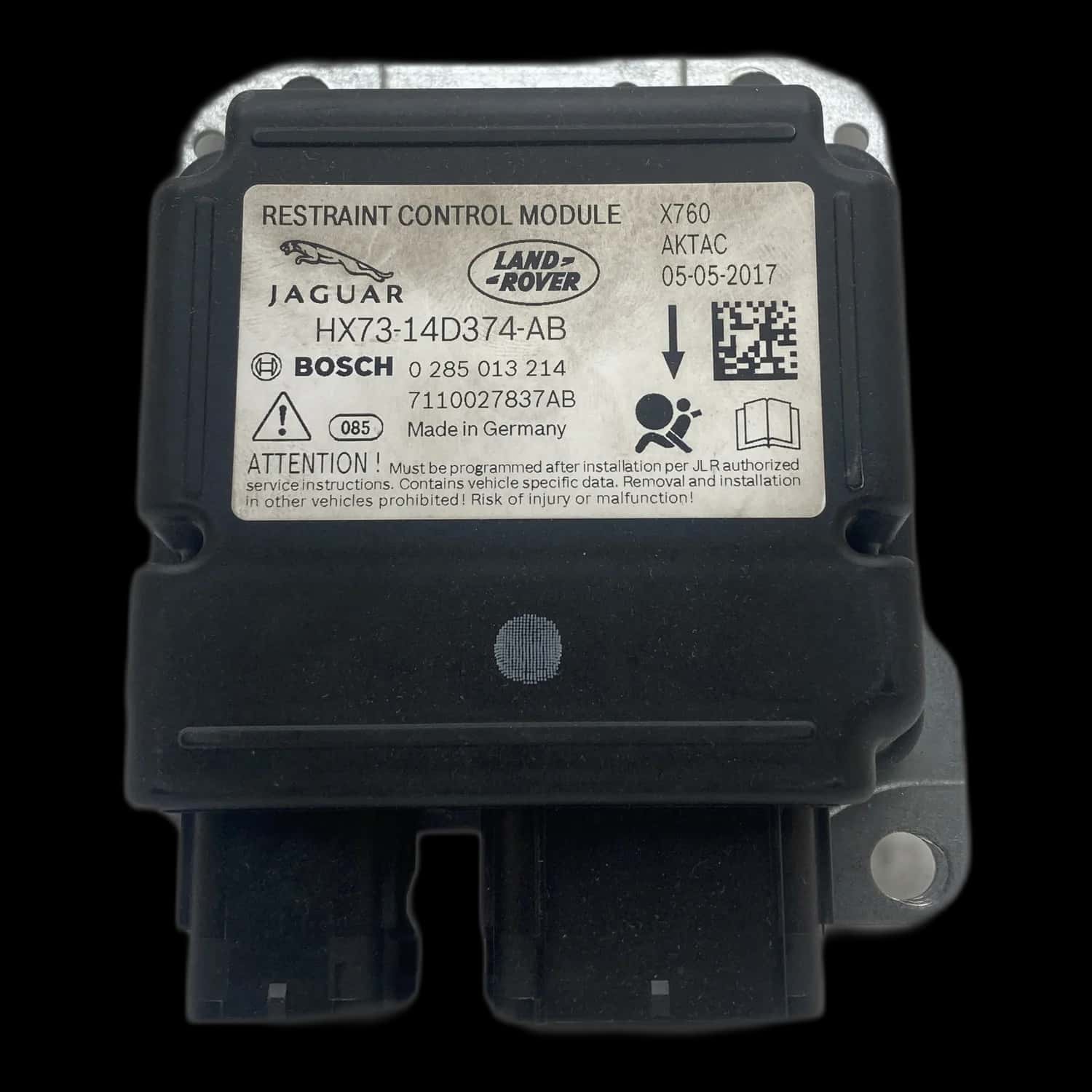
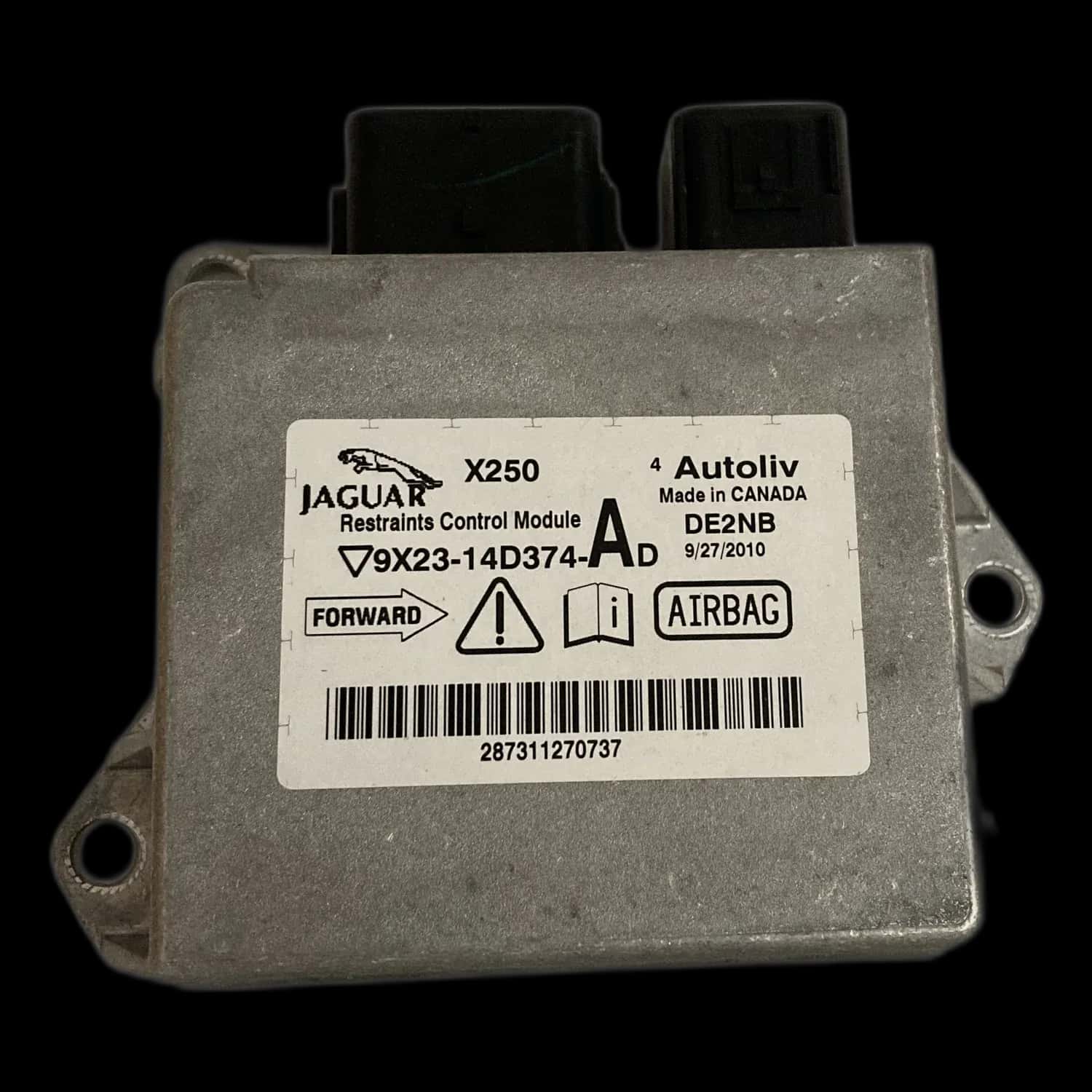
Jaguar airbag control units can be uniquely identified by part number, year of manufacture, and vehicle identification number. Each generation uses specific control unit variants for optimal compatibility.
Accurately identifying your Jaguar airbag control unit is crucial for a successful repair. The control unit's part number is usually printed or stamped directly on the housing and is often a combination of letters and numbers. Additional information such as the vehicle's year of manufacture and the vehicle identification number (VIN) can help with identification.
It's important to note that different generations and trim levels of Jaguar models use specific variants of airbag control units. These variants are designed for optimal compatibility with the sensors and airbags installed in the respective model. A professional repair takes these specifics into account to ensure proper function after reinstallation.
What airbag equipment does Jaguar have?
Jaguar's airbag equipment varies depending on the model year and trim level. While early models use basic airbag systems, newer generations feature enhanced safety packages with additional airbag modules.
In modern Jaguar models such as the XE, XF, F-Pace, and F-Type, airbag systems are comprehensive and standard. These systems typically include front airbags for the driver and front passenger, side airbags, head airbags (curtain airbags), and often knee airbags. They are an integral part of passive safety and designed for maximum occupant safety, controlled by the central airbag control unit.
In older Jaguar models, such as those from the 1980s or early 1990s, airbags were often not available or were only available as an optional single front airbag for the driver. Classic cars from the 1960s and 1970s generally do not have airbags. Nevertheless, the airbag control unit, where installed, is the heart of the safety system; it receives signals from crash sensors and deploys the airbags when necessary.
Common problems with defective Jaguar airbag control units include system error messages, a permanently illuminated airbag warning light, or a loss of communication with the control unit. After an accident, these control units also store "crash data" that must be erased or reset to restart the system. A professional repair addresses these error patterns and restores the airbag system to full functionality, providing a cost-effective alternative to expensive control unit replacement.
Common fault codes in this category
Shipping & repair from Germany
Airbag24 repairs your component in Berlin — usually within 3–4 working days.
Standard shipping within Germany is free; we normally return your part by UPS.
You pay for and insure the inbound shipment to us. On explicit request we ship by express — the extra cost is borne by the customer.
If you withdraw from the contract, you bear the cost of returning the item.