
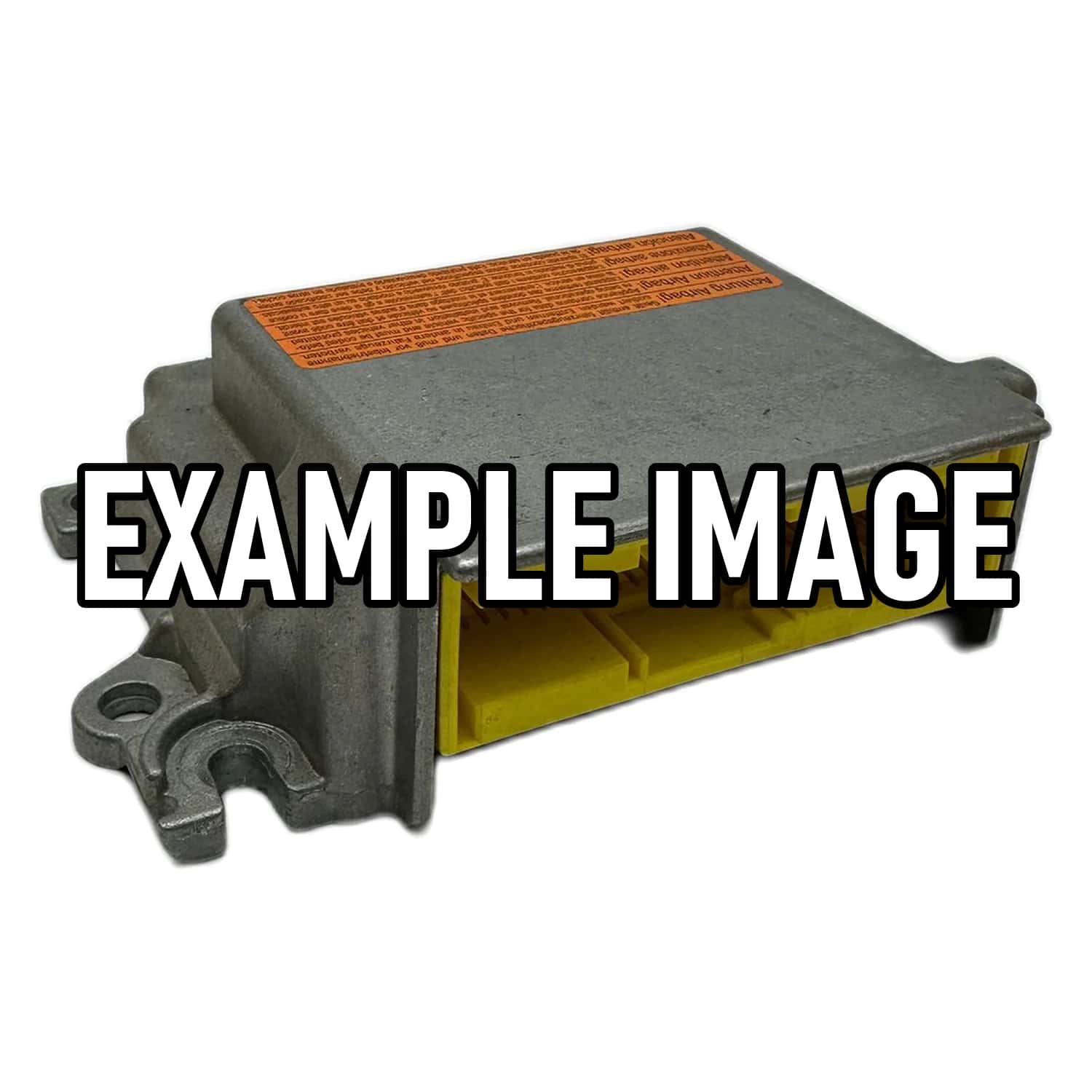
Kia airbag control unit repair(75)
The right airbag control unit for your Kia is quickly found. Remove it, send it in, and we will test the electronics and repair them.
75 products
airbag control unit repair Kia Carens RP
from€66.39
airbag control unit repair Kia Rio YB
from€66.39
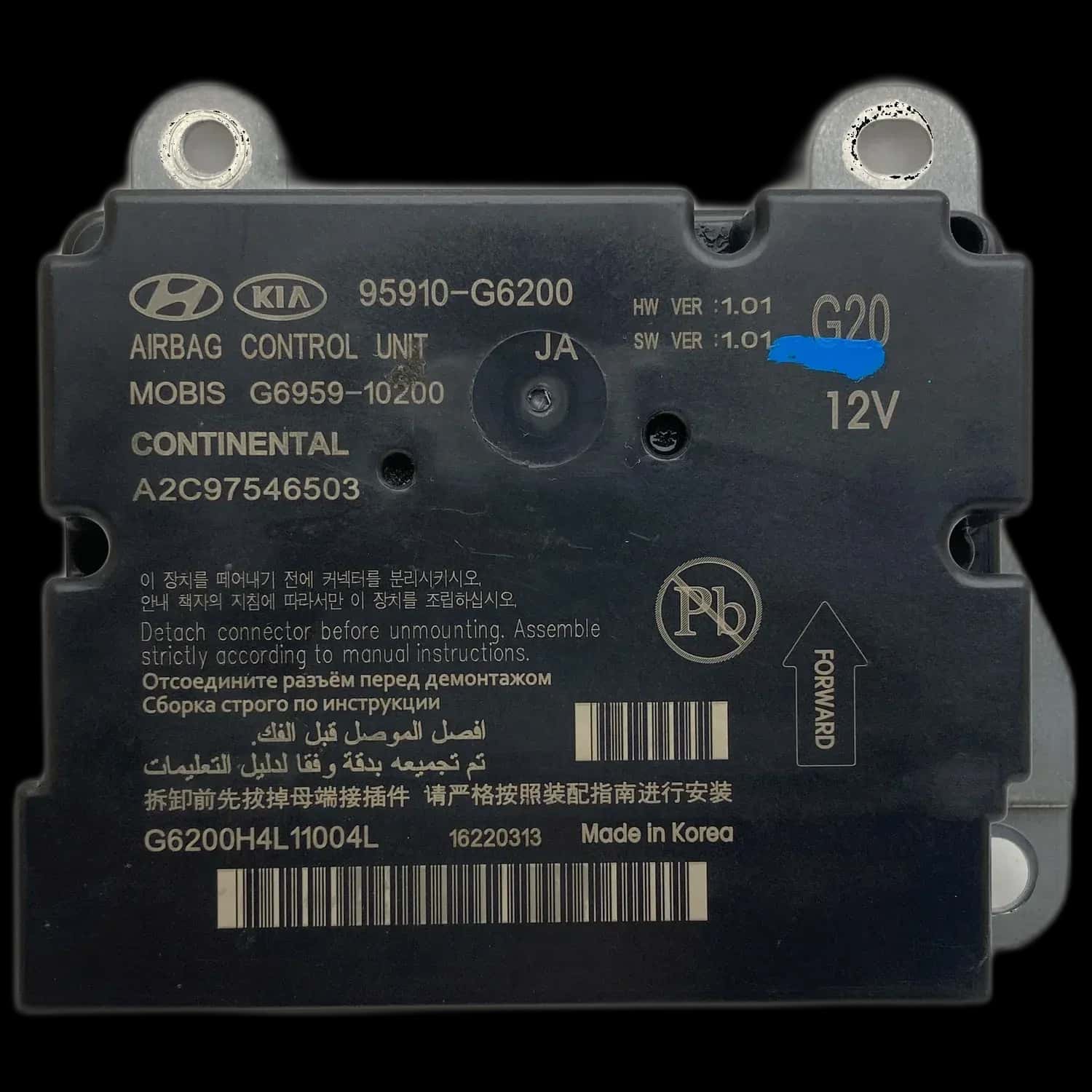
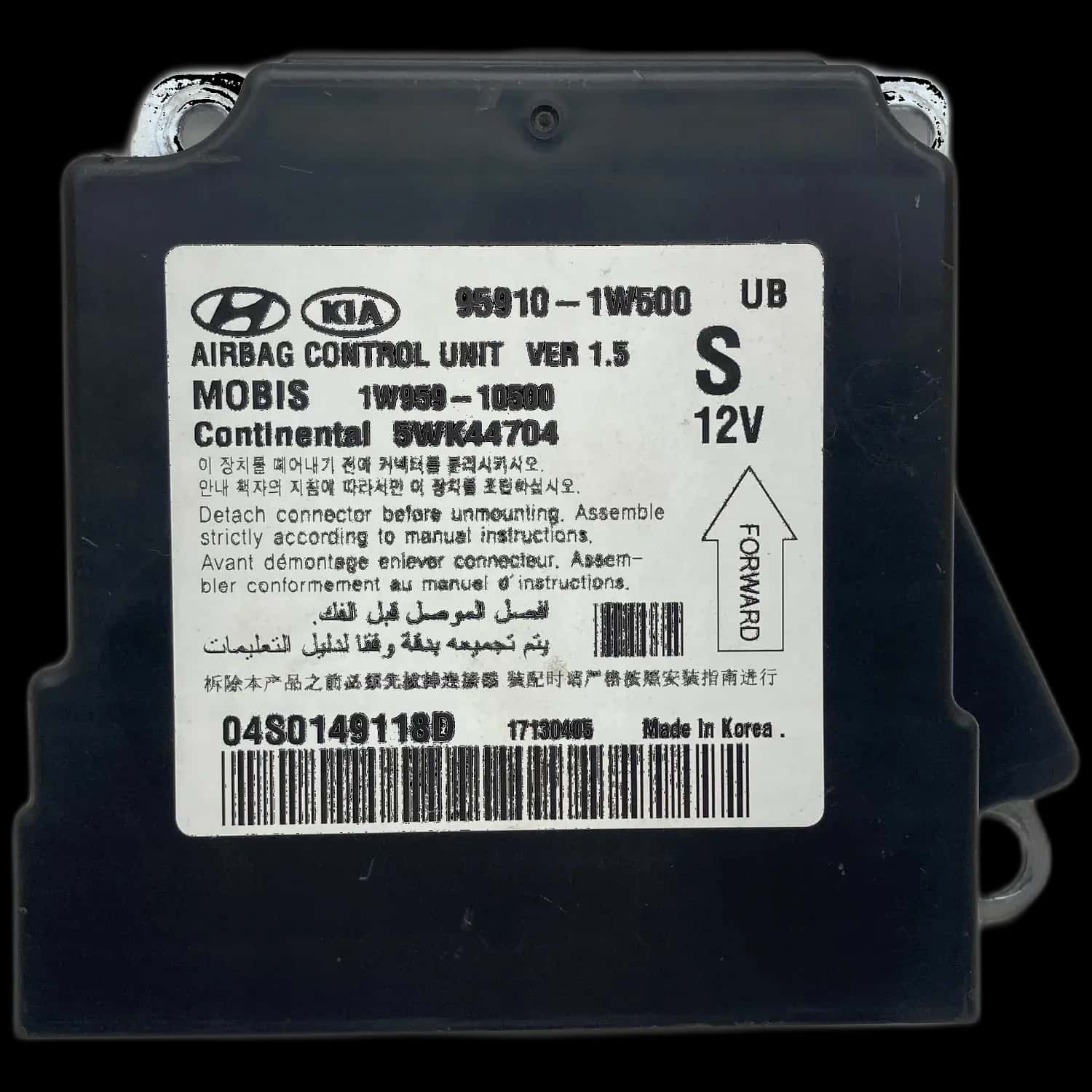
airbag control unit repair Kia Rio UB
from€66.39
airbag control unit repair Kia K5 DL3
from€66.39
airbag control unit repair Kia K7 VG
from€66.39
airbag control unit repair Kia Optima JF
from€66.39
airbag control unit repair Kia Shuma FB
from€66.39
What should I consider with Kia airbag control units?
The airbag technology used in Kia vehicles varies considerably depending on the model and year of manufacture. Therefore, we professionally repair control units for all Kia model generations with original functionality and a 2-year warranty.
Kia's production history, which ranges from simple subcompacts to cutting-edge electric vehicles, is reflected in the development of its safety systems. Early models relied on basic airbags, while newer generations integrate increasingly complex and comprehensive systems.
The development of Kia's airbag system paralleled the general technological advances in the automotive industry. From driver and passenger-only airbags in the 1990s to modern multi-point airbag systems with side, curtain, and even knee airbags, Kia has continuously improved the safety of its vehicles.
This increasing complexity means that each airbag control unit is specific to the model series and year of manufacture. A defective control unit must therefore be precisely identified and professionally repaired to ensure the full functionality of the safety system.
Which Kia models are available?
Kia has produced a total of 54 different models, with each model and series generation using different airbag control units. The development of the safety system reflects technological advances.
Kia's broad model range covers virtually all vehicle classes and appeals to diverse target groups. In the subcompact and city car segment, models such as the Kia Picanto, Morning, Pegas, Soluto, Rio, Pride, Visto, and Ray are often the first vehicles for young drivers or for urban use.
In the compact and mid-size segment, Kia offers vehicles such as the Ceed (including Proceed and XCeed), Cerato, Forte, Sephia, Shuma, Spectra, K3, Optima (K5), Magentis, Lotze, Credos, and Clarus. These models are popular with families and commuters who value a balanced mix of comfort, space, and modern technology, including comprehensive airbag systems.
The growing SUV and crossover segment is dominated by models such as the Kia Soul, Venga, Stonic, Seltos, Sportage, Sorento, Borrego, Mohave, and Telluride. These vehicles offer versatility and are particularly popular with active drivers and larger families, and they typically come with more comprehensive passive safety features.
Vans and MPVs such as the Kia Carens, Rondo, Carnival, Sedona, and Grand Carnival are designed for larger families and transportation. The luxury segment is served by models such as the Kia Opirus, Amanti, Cadenza, K7, K900, Quoris, K9, K8, and the sporty Stinger, which meet the highest standards of comfort and safety.
Kia has also significantly expanded its model range with electric vehicles, including the Kia Niro, EV6, EV9, EV3, EV4, EV5, e-Niro, and e-Soul. These future-oriented models feature the latest airbag technologies and control units that meet the high safety standards for electric vehicles.
How do I identify my Kia airbag control unit?
Kia airbag control units can be uniquely identified by part number, model year, and vehicle identification number. Each generation uses specific control unit variants for optimal compatibility.
Precise identification of the defective airbag control unit is crucial for a successful repair or replacement. The part number is the primary identification feature, as it encodes the module's exact specifications. This number is usually located directly on the control unit.
In addition to the part number, the vehicle's year of manufacture and the complete vehicle identification number (VIN) are essential. The VIN allows you to determine the exact model, trim level, and production date, since even within the same model series, different control units with different hardware and software can be installed.
Especially for newer Kia models equipped with complex sensor systems and networking, precise identification via VIN is essential to ensure compatibility and correct operation after repair. Errors in identification can compromise vehicle safety.
What airbag equipment does Kia have?
Kia's airbag equipment varies considerably depending on the model year and trim level. While early models use basic airbag systems, newer generations feature enhanced safety packages with additional airbag modules.
In its early years, Kia, like many other manufacturers, focused primarily on protecting the driver and front passenger with front airbags. Models from this era, such as the older Kia Sephia or Rio, were typically equipped with these basic systems.
Over time, passive safety was continually improved. Side airbags, and later curtain airbags, were added as standard to compact and mid-size models like the Kia Ceed and Optima. This offered significantly improved protection in side collisions and rollovers.
Current Kia models, especially in the SUV segment (e.g., Sportage, Sorento, Telluride) and electric vehicles (e.g., EV6, EV9), feature comprehensive airbag systems. These often include additional knee airbags for the driver as well as intelligent sensors that adjust airbag deployment based on the severity of the impact.
The integration of these complex airbag networks in modern Kia vehicles requires a correspondingly advanced control unit. This module processes signals from various sensors in the vehicle to quickly and precisely deploy the appropriate airbags in an emergency, thus minimizing the risk of injury to the occupants.
Common fault codes in this category
Shipping & repair from Germany
Airbag24 repairs your component in Berlin — usually within 3–4 working days.
Standard shipping within Germany is free; we normally return your part by UPS.
You pay for and insure the inbound shipment to us. On explicit request we ship by express — the extra cost is borne by the customer.
If you withdraw from the contract, you bear the cost of returning the item.