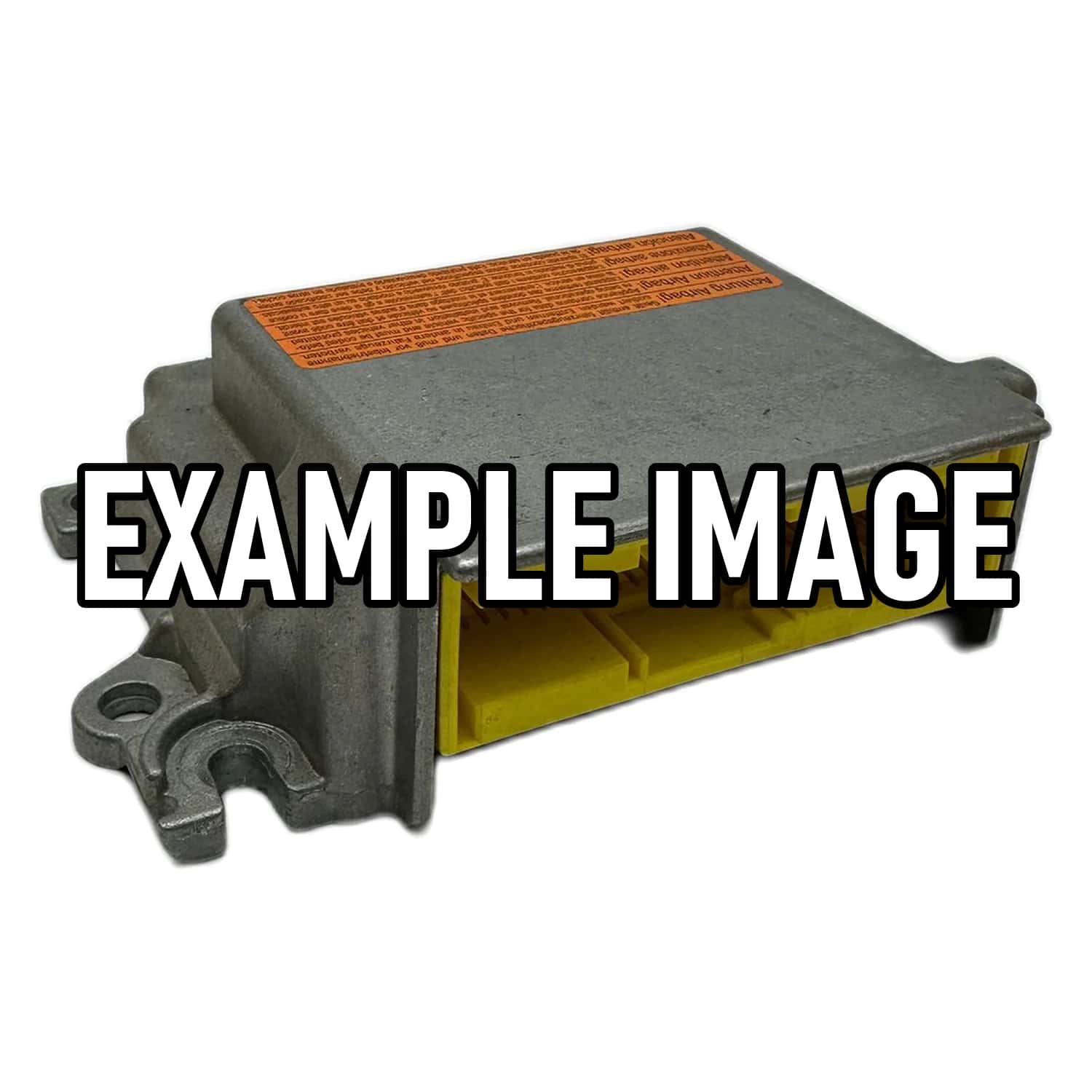
airbag control unit repair Kia K7 VG
from€79.00
 Quality since 2002
The airbag technology used in the Kia K7 varies depending on the year and model generation. Airbag24 professionally repairs control units of all Kia K7 generations, restoring original functionality, and offers a 2-year warranty on the work performed.
The Kia K7, also known as the Cadenza in North America, was produced as a prestigious luxury sedan for more than a decade, more precisely from 2009 to 2021. During this time, the vehicle went through two distinctive generations, each of which featured significant technological advances in passive safety systems.
Each generation, and even their facelifts, often resulted in specific adjustments to the airbag control unit. A defective airbag control unit in the Kia K7 can impair the function of the entire airbag system and poses a serious safety risk.
Repairing this complex electronic component requires specialized knowledge and equipment to ensure that all safety functions function fully and reliably after the repair. Professional repair is essential to ensure the driving safety of your Kia K7 and to correct any potential faults in the airbag system.
The Kia K7 was produced in two main generations, each with its own, vehicle-specific airbag control units. The ongoing development of the safety system reflects the rapid technological advances from its market launch in 2009 to the end of production in 2021.
The first generation of the Kia K7, internally known as the VG model code, was built from approximately 2009 to 2016. This series received a major facelift around 2013, which included not only visual adjustments but also updates to the internal electronics and thus potentially the airbag control units.
Starting in 2016, the second generation of the Kia K7, known as the YG, replaced its predecessor and remained on the market until 2021. The YG series also underwent a facelift in 2020/2021, which brought further improvements in terms of connectivity, comfort, and, of course, safety features, including the airbag system.
Each of these generations featured specifically developed control units that were precisely tailored to the respective vehicle architecture and the installed airbag modules. It's worth noting that the K7 designation was discontinued after 2021; the successor model, the Kia K8, took over the role of the luxury sedan.
When repairing the airbag control unit, precise knowledge of the generation is crucial, as the hardware and software specifications of the control units can differ significantly between VG and YG. Identifying the correct year of manufacture helps determine the appropriate repair procedure.
Kia K7 airbag control units can be reliably identified by their unique part number, vehicle year, and full vehicle identification number (VIN). Each generation of the K7 uses specific control unit variants, which are essential for optimal compatibility and functional reliability.
Correctly identifying the airbag control unit is the first and most important step in repairing a defective unit. Since the Kia K7 has been produced over two generations and several facelifts, various versions of these safety-relevant components exist.
Each variant is precisely tailored to the specific airbag configuration and electronics of the respective model year. The key part number, often beginning with "95910-" followed by a series of additional digits, is printed directly on the housing of the airbag control unit.
To read this number, in most cases, it is necessary to remove the control unit, which is typically located under the center tunnel or under one of the front seats. Comparing this number with your vehicle's data, especially the exact year of manufacture and the vehicle identification number, ensures that the repair is tailored to the exact control unit.
Incorrectly assigning the control unit can lead to compatibility issues or even prevent the airbag system from functioning properly in an emergency. Rely on specialized service providers for identification and repair to restore full safety to your Kia K7 after an airbag control unit repair.
The airbag configuration of the Kia K7 varies depending on the model year, specific trim level, and country-specific requirements. While early models already use comprehensive base airbag systems, newer generations and top trim levels feature enhanced safety packages with additional airbag modules for optimized occupant protection.
As a luxury vehicle, the Kia K7 always aimed for a high level of comfort and safety. Therefore, both the first generation (VG) and the second generation (YG) were generally equipped with a comprehensive airbag system as standard.
These typically include front airbags for the driver and front passenger, which provide protection in the event of a frontal impact. For protection in the event of a side impact, the Kia K7 features side airbags integrated into the driver and front passenger seating area.
These are complemented by curtain airbags that extend the entire length of the side windows and protect the heads of both front and rear occupants. This combination offers comprehensive protection in various types of accidents.
Especially in the newer models of the YG generation and higher trim levels, the Kia K7 could be equipped with additional airbag modules. A common example is the driver's knee airbag, which protects the driver's knees and lower legs in a frontal collision, thus further minimizing the risk of injury.
The exact number and placement of airbags depends heavily on the year of manufacture and the specific equipment variant of your Kia K7. A detailed review of the vehicle documentation can provide precise information about the airbag equipment installed in your vehicle.
Airbag24 repairs your component in Berlin — usually within 3–4 working days.
Standard shipping within Germany is free; we normally return your part by UPS.
You pay for and insure the inbound shipment to us. On explicit request we ship by express — the extra cost is borne by the customer.
If you withdraw from the contract, you bear the cost of returning the item.