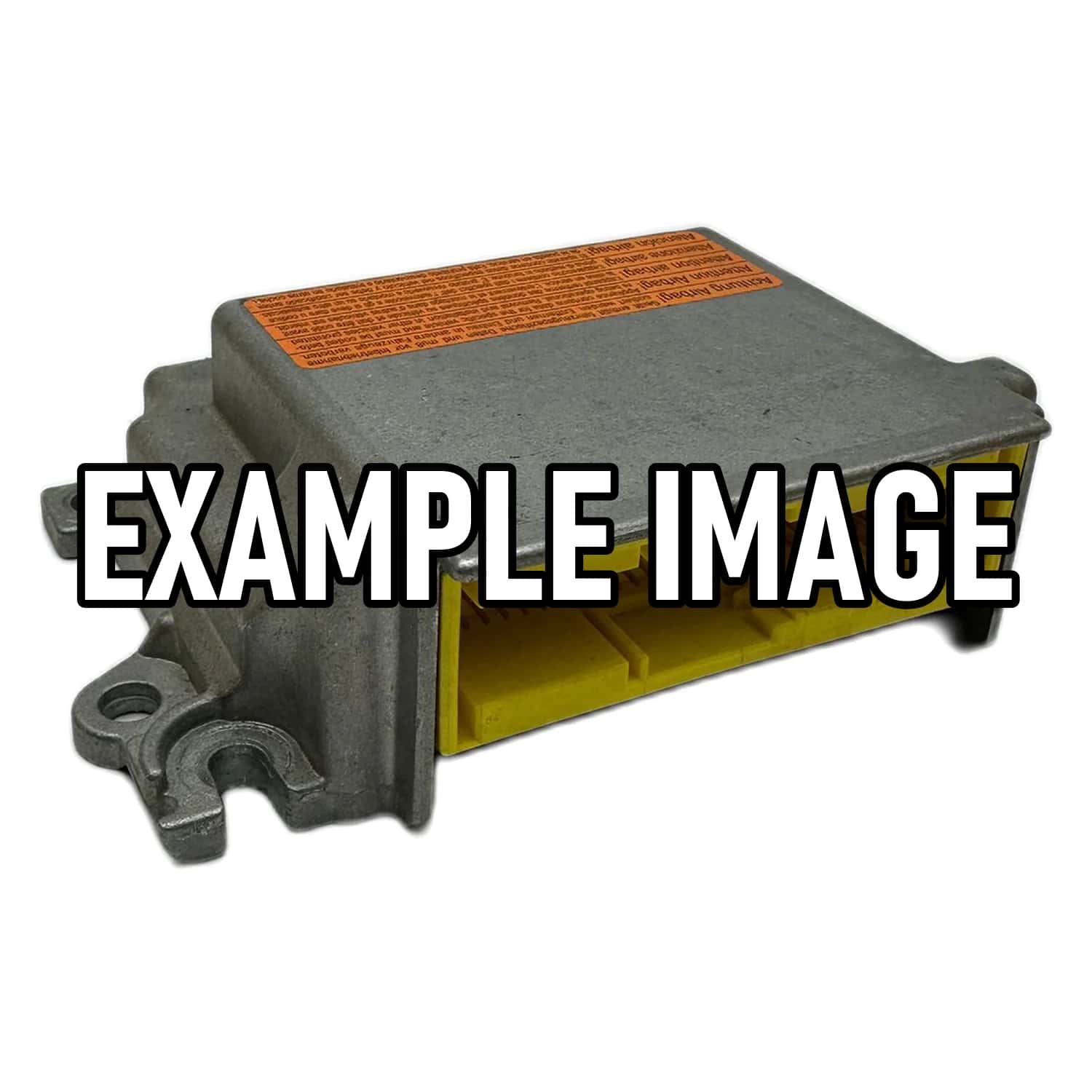
airbag control unit repair Kia Venga YN
from€79.00
 Quality since 2002
The airbag technology used in the Kia Venga varies depending on the model year and trim level. Airbag24 professionally repairs control units for all Kia Venga generations with original functionality and a 2-year warranty.
The Kia Venga, a compact mini MPV, was produced from November 2009 to 2019 and established itself as a practical vehicle for families and city dwellers. Model code YN, it existed in a single main generation throughout its production run, but underwent a facelift between 2015 and 2019.
The Venga's airbag systems were designed to a high safety standard from the outset and included six airbags as standard. Over the years, these systems have been continuously developed to meet growing demands for occupant protection.
A defective airbag control unit can cause error messages in the instrument cluster and impair the function of the entire safety system. Such defects can be caused by an accident, water damage, or internal electronic errors.
Repairing an airbag control unit for a Kia Venga is often a cost-effective and environmentally friendly alternative to replacing it with a new part. This involves repairing the original unit, ensuring compatibility with the vehicle.
The Kia Venga was produced in a single, facelifted generation (model code YN). The airbag systems and associated control units were updated to reflect technological advances from 2009 to 2019.
From its market launch in November 2009 until the end of production in 2019, the Kia Venga was consistently marketed under the model code YN. It is thus a continuous model series known for its compactness and variable interior.
A major revision, the so-called facelift, took place between 2015 and 2019. This updated version, often referred to as the Venga YN 2015–2019, brought not only visual innovations but also possible adjustments to the installed electronic components.
Although the Mini MPV's body and basic platform remained the same, the airbag control units may differ before and after the facelift. This is due to updates to the software or hardware controlling the standard airbags and seatbelt pretensioners.
Therefore, when repairing a Kia Venga airbag control unit, it is important to take into account the exact year of manufacture and, if applicable, the presence of the facelift to ensure correct functionality.
Kia Venga airbag control units can be precisely identified by their unique part number, model year, and vehicle identification number (VIN). Each variant is designed for optimal compatibility with the respective model year and trim level.
The part number is the primary key to identifying the correct airbag control unit for your Kia Venga. This number is usually located on a label directly attached to the control unit and provides information about the exact specification of the component.
In addition to the model year of your vehicle, the Vehicle Identification Number (VIN) is an essential source of information. It allows us to determine the exact factory configuration of your Kia Venga, which is especially crucial for specialized electronic components such as the airbag control unit.
Variants may vary depending on the production period and the specific airbag configuration, even though the Venga only went through one generation. For example, control units for vehicles with optional additional sensors or functions may differ from the standard models.
Correct identification is essential for a successful repair and ensuring safety after the repair. If in doubt, it is advisable to refer to the VIN or consult a specialist.
The Kia Venga's airbag equipment is extremely comprehensive, even in the base version, and was developed to meet the high safety requirements of the 2009 to 2019 production years. The mini MPV offered a robust safety package as standard.
The Kia Venga came standard with six airbags: front airbags for the driver and front passenger, side airbags in the front, and full-length curtain airbags providing protection both front and rear. This comprehensive range was a key selling point for the family-friendly Venga.
A particularly practical feature was the standard front passenger airbag with deactivation option. This allowed for the safe transport of rear-facing child seats in the front passenger seat, underscoring the vehicle's flexibility as a mini MPV.
In addition to the passive restraint systems, the Kia Venga featured other safety-related features. These included front seatbelt pretensioners, active front headrests, Isofix child seat anchor points in the rear seats, as well as electronic stability control (ESC) and hill start assist.
This extensive safety equipment, combined with its spacious interior and compact size, made the Kia Venga an attractive choice for a broad target group seeking a safe and practical vehicle for everyday use.
The solid standard airbag equipment and the other assistance systems contributed significantly to the Kia Venga's good safety rating and cemented its reputation as a reliable companion in urban and suburban areas.
Airbag24 repairs your component in Berlin — usually within 3–4 working days.
Standard shipping within Germany is free; we normally return your part by UPS.
You pay for and insure the inbound shipment to us. On explicit request we ship by express — the extra cost is borne by the customer.
If you withdraw from the contract, you bear the cost of returning the item.