
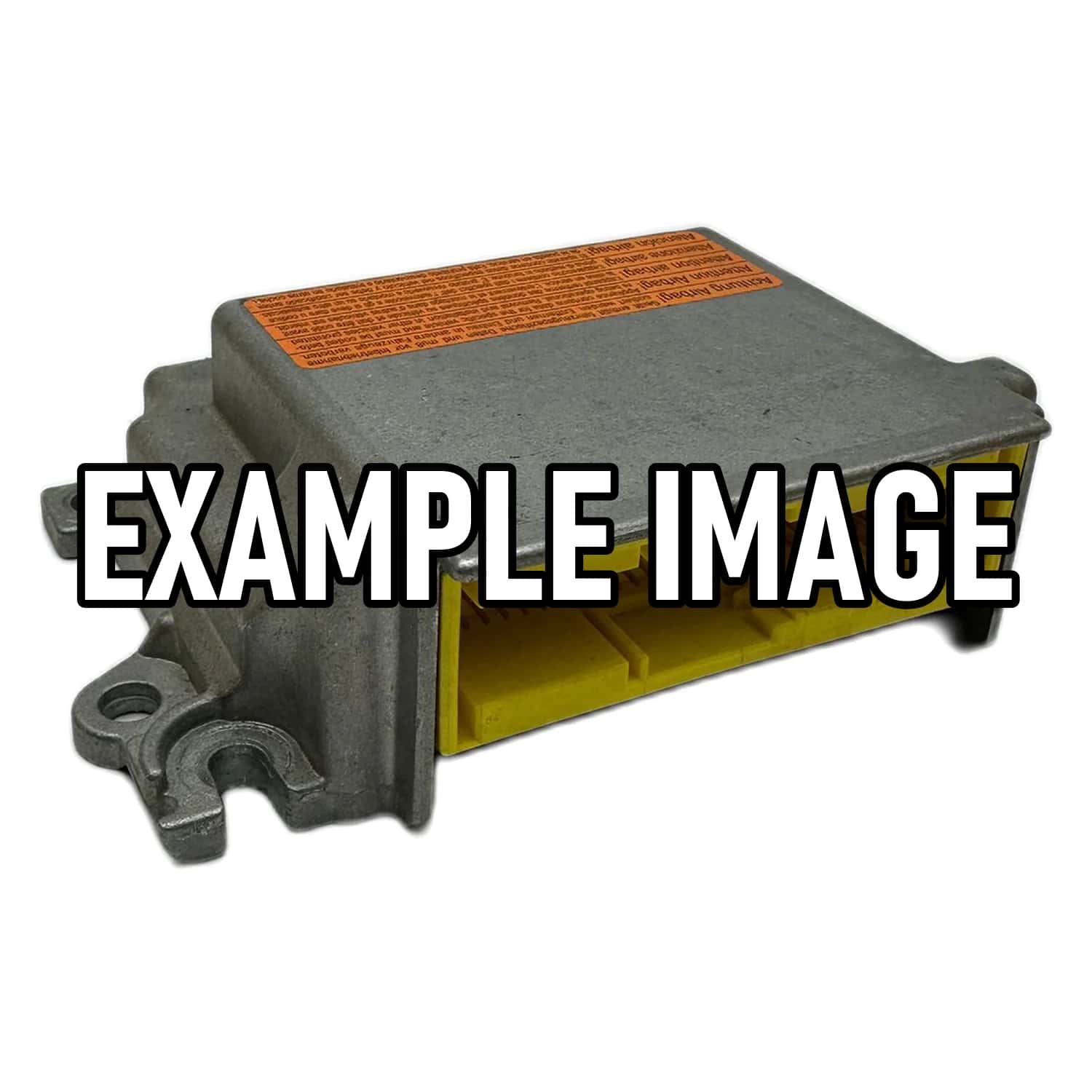

Lexus airbag control unit repair(46)
With Lexus it pays to look at the electronics: select the matching airbag control unit, remove it and send it to us for testing or repair.
46 products
airbag control unit repair Lexus LS XF20
from€79.00
airbag control unit repair Lexus LS XF40
from€79.00
airbag control unit repair Lexus NX AZ10
from€79.00
airbag control unit repair Lexus GS L10
from€79.00
airbag control unit repair Lexus GS S140
from€79.00
airbag control unit repair Lexus GX J250
from€79.00
airbag control unit repair Lexus LS XF10
from€79.00
airbag control unit repair Lexus GX J120
from€79.00
What should I consider with Lexus airbag control units?
The airbag technology used in Lexus vehicles varies depending on the model and year. Professional repair of the control units in all Lexus model generations ensures true-to-original functionality.
Lexus, Toyota's premium brand, has undergone impressive development since its founding in the late 1980s, which is also reflected in the continuous development of its safety systems. From the first luxury sedans like the LS to today's high-tech vehicles, the airbag control units have been continually made more sophisticated and complex to meet increasing safety requirements.
Early Lexus models relied on basic airbag systems with fewer sensors, while modern vehicles feature highly complex systems that utilize a multitude of crash sensors and algorithms. After an accident, it is crucial not only to repair the airbag control unit but also to professionally reset it to completely erase stored crash data and error codes. This is the only way to restore the full functionality and reliability of the entire safety system, which is of utmost importance for occupant safety.
Which Lexus models are there?
Lexus has produced a wide range of 18 different models, with each model and series generation using different airbag control units. The evolution of these safety systems reflects the brand's remarkable technological progress.
Lexus' model portfolio spans virtually all relevant vehicle classes and serves a wide range of customer needs. It ranges from compact crossover models like the UX and the all-new LBX, which was designed specifically for the European market and appeals to younger target groups, to sporty sedans like the IS and elegant executive sedans like the ES, to high-performance SUVs like the NX, RX, GX, and the luxurious LX. Niche models such as the LFA supercar and the RC and LC coupes are also part of the portfolio.
SUVs such as the RX and NX, as well as the ES sedan, are among the most popular and best-selling models worldwide. Each of these models, and especially their different model generations, is equipped with specific airbag control units that are precisely tailored to the respective vehicle architecture and installed sensors. This diversity requires specific expertise and access to the relevant control unit data during repair to ensure correct functioning after the intervention.
How do I identify my Lexus airbag control unit?
Lexus airbag control units can be reliably identified by the printed part number, the vehicle model year, and the vehicle identification number (VIN). Each vehicle generation, and sometimes even different trim levels, use specific control unit variants for optimal compatibility with the rest of the safety system.
Correctly identifying the airbag control unit is absolutely crucial for a successful repair and ensuring full vehicle safety. The part number, usually found directly on the control unit's housing, provides information about the exact specification and software version. This number is the primary indicator of compatibility.
In addition to the part number, the vehicle's year of manufacture and the vehicle identification number (VIN) enable precise identification. The VIN provides detailed information about the vehicle's equipment, model year, and exact configuration, which is essential for selecting the appropriate repair procedure for the control unit. Incorrectly identified or incompatible control units can impair the function of the airbag system and, in an emergency, cause it to fail.
What airbag equipment does Lexus have?
The airbag configuration of Lexus vehicles varies depending on the model year and the chosen trim level. While early models typically use basic airbag systems, newer generations feature state-of-the-art and enhanced safety packages with a variety of additional airbag modules.
Most Lexus vehicles come standard with a comprehensive airbag system, including at least driver and front passenger airbags, side airbags for front and rear passengers, and curtain airbags. This standard equipment is designed to provide a wide range of protection in various impact types and provide the best possible protection for the occupants.
In higher trim levels or on specific, often more luxurious or newer models, additional airbags such as driver and front passenger knee airbags, extended side airbags for additional upper-body protection, or special headrest airbags may be available. These enhancements underscore the high level of safety Lexus strives for and its continuous adaptation to new safety standards. The function of all these airbags is centrally coordinated by the airbag control unit, which controls deployment precisely and instantly in the event of an accident.
Shipping & repair from Germany
Airbag24 repairs your component in Berlin — usually within 3–4 working days.
Standard shipping within Germany is free; we normally return your part by UPS.
You pay for and insure the inbound shipment to us. On explicit request we ship by express — the extra cost is borne by the customer.
If you withdraw from the contract, you bear the cost of returning the item.