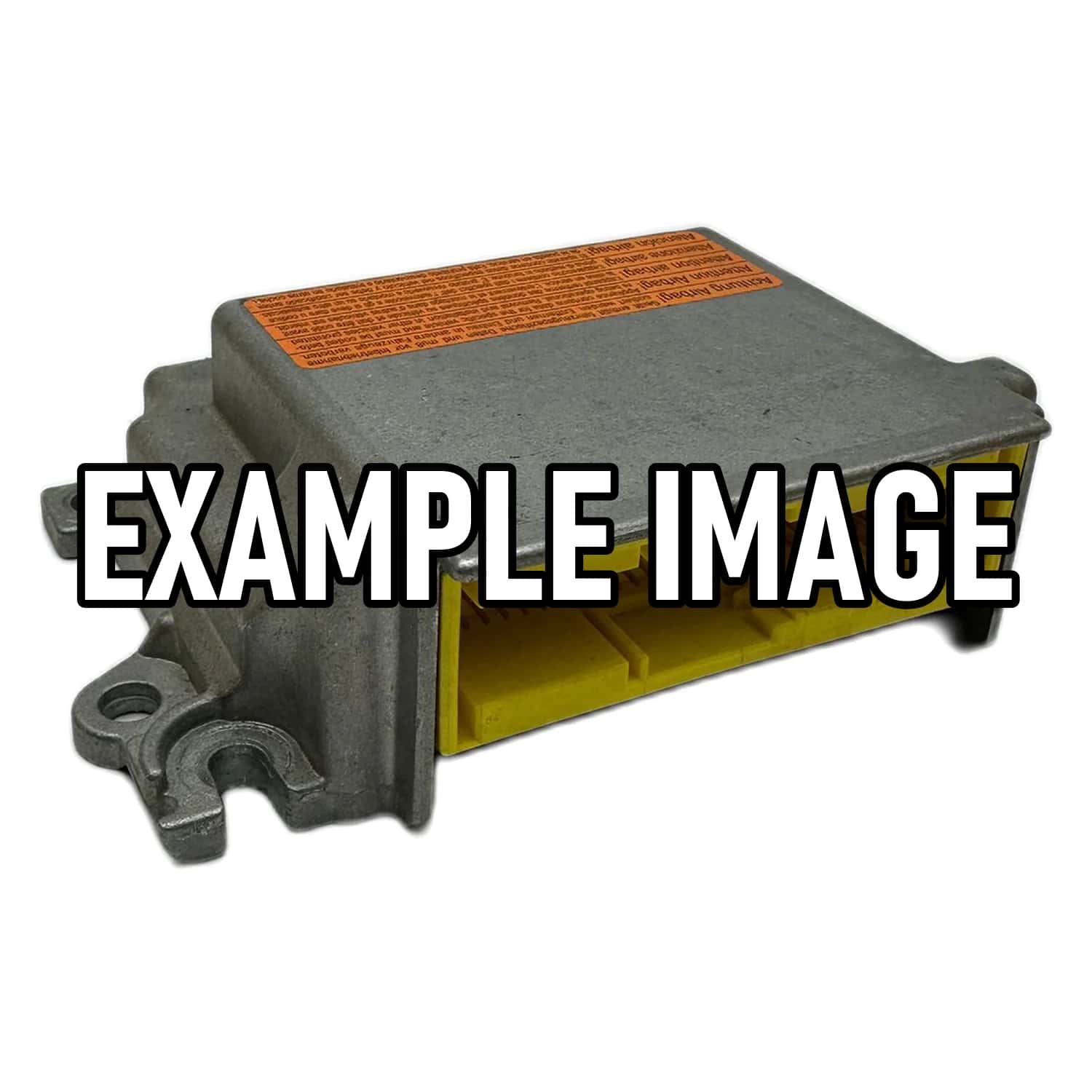
airbag control unit repair Lexus LFA
from€66.39
 Quality since 2002
The airbag technology used in the Lexus LFA is specifically tailored to the extremely high performance and exclusivity of this super sports car, which was produced from December 2010 to December 2012. Since only 500 units were built, repairing a defective airbag control unit requires a high degree of expertise and precision to ensure the safety system's original functionality.
The Lexus LFA, a masterpiece of engineering and craftsmanship, was manufactured over a very short period of time. Its airbag control units are integral components of a safety system designed for the vehicle's high-speed and track-ready capabilities. Maintenance or repair of these components must therefore meet the highest standards to ensure the safety of occupants in a vehicle of this class.
Despite its relatively short production history as a single generation, running between 2010 and 2012, the LFA's airbag system represents the technological pinnacle of its era. The control units installed are designed to precisely and reliably control the airbags' protective functions in the event of an impact. A professional repair ensures that this critical component is fully functional again and meets the manufacturer's stringent requirements.
The Lexus LFA was essentially produced as a single, highly specialized generation, which rolled off the assembly line between December 2010 and December 2012. Within this exclusive series, however, there was a limited and even more powerful variant, the Nürburgring Package, which featured specific adjustments that could also affect the calibration of the airbag system.
The main production Lexus LFA comprised a core series of models, all sharing the iconic 4.8-liter V10 engine and an exceptional carbon fiber monocoque. This base series, often referred to internally as the 'lexus-lfa-lfa' or 'lexus-lfa-lfa1', set standards in performance and exclusivity. Each of the 500 examples built is a collector's item and requires appropriately careful handling of its electronic components.
A special feature within this single generation was the strictly limited Nürburgring package, of which only 50 were produced. This version (`lexus-lfa-lfa-nuerburgring-package`) featured a slight power increase, improved aerodynamics, and a firmer chassis, making it even more race-ready. Although not a separate generation, the specific tuning and increased performance of these models may require minimal differences in the software calibration of the airbag control unit to optimize occupant protection under extreme conditions.
When repairing Lexus LFA airbag control units, it is crucial to consider the exact model variant, as even minor programming variations can affect compatibility and function. This emphasizes the need for a specialized repair shop that understands and addresses the specific requirements of each LFA model.
Lexus LFA airbag control units can be precisely identified by their part number, which is printed directly on the module's housing. In addition, the vehicle's year of manufacture (between 2010 and 2012) and the vehicle identification number (VIN) are crucial parameters for identifying the correct control unit for repair purposes.
Due to the limited production and handcrafted nature of the Lexus LFA, accurate identification of the airbag control unit is essential. The part number is the primary indicator and allows for an exact match to the specific model and trim level of your LFA. This number ensures that the repair restores the control unit's original functions and safety settings.
The combination of the part number, the exact year of manufacture, and the VIN provides comprehensive documentation and ensures that the correct replacement part or repair method is used, even with the limited production run of the LFA. This is particularly important because the LFA's sophisticated safety systems must work optimally with the vehicle's electronics and specific sensors to ensure maximum safety.
As a high-priced and technologically advanced supercar produced between 2010 and 2012, the Lexus LFA comes standard with comprehensive passive safety features, typically including front airbags for the driver and front passenger, as well as side curtain airbags. The precise configuration is designed for the highest occupant safety in the high-performance segment.
Although specific, detailed lists of the Lexus LFA's airbag equipment aren't always publicly available, given its price tag of approximately €375,000 and its status as Lexus' technological spearhead, it's a given that it's equipped with state-of-the-art safety systems. These are expected to include adaptive front airbags that adjust to the severity of the impact, as well as side airbags that protect both the torso and head in a side impact.
The LFA's airbag system is likely also equipped with seatbelt pretensioners and load limiters to optimally secure occupants while minimizing injuries caused by the airbag itself. The sensor technology and the logic of the airbag control unit are tailored to the unique structure and performance of the LFA's carbon fiber monocoque to ensure precise and timely airbag deployment.
The complexity and importance of these safety systems underscore the need for professional repair should your Lexus LFA airbag control unit fail. Only then can the vehicle's integrated safety, essential for a supercar of this class, be fully restored.
Airbag24 repairs your component in Berlin — usually within 3–4 working days.
Standard shipping within Germany is free; we normally return your part by UPS.
You pay for and insure the inbound shipment to us. On explicit request we ship by express — the extra cost is borne by the customer.
If you withdraw from the contract, you bear the cost of returning the item.