
Subaru Leone airbag control unit repair(1)
1 product
What should I pay attention to with Subaru Leone airbag control units?
The situation regarding airbag control units is unique in the Subaru Leone: Most models were delivered without airbag technology. If your Subaru Leone does have an airbag control unit, it's usually a very late export or rare special model, or it's a retrofit. Airbag24 professionally repairs control units with original functionality and a 2-year warranty, provided the component is present and repairable.
The Subaru Leone, produced from the fall of 1971 to mid-1994, enjoyed a long reputation as a reliable all-wheel drive vehicle. During this era, airbags were not yet standard equipment in compact and lower-midsize cars, even as an option.
The development of passive safety systems like airbags began later at Subaru, typically with models like the Legacy or Impreza from the mid-1990s onwards. Therefore, it's crucial to check the exact fitment and model year if you suspect your Leone has an airbag control unit.
Which Subaru Leone generations are there?
The Subaru Leone was produced in three main generations, each reflecting the typical safety features of its era. The development of vehicle technology from 1971 to 1994 showed a change in design and equipment, but not the introduction of standard airbag systems.
The first generation of the Leone was produced from 1971 to 1979 and laid the foundation for Subaru's success with all-wheel drive. The second generation followed from 1979 to 1984, cementing the model's reputation as a robust and versatile vehicle. The third and final generation, known as the "L-Series" or in Germany as the Subaru 1800 4WD, ran from 1984 to 1994 and introduced technical innovations such as turbocharged engines.
Airbags were not a standard feature in any of these generations. This is primarily due to the production period, when airbag technology was not yet widespread, especially not in this vehicle class.
How do I identify my Subaru Leone airbag control unit?
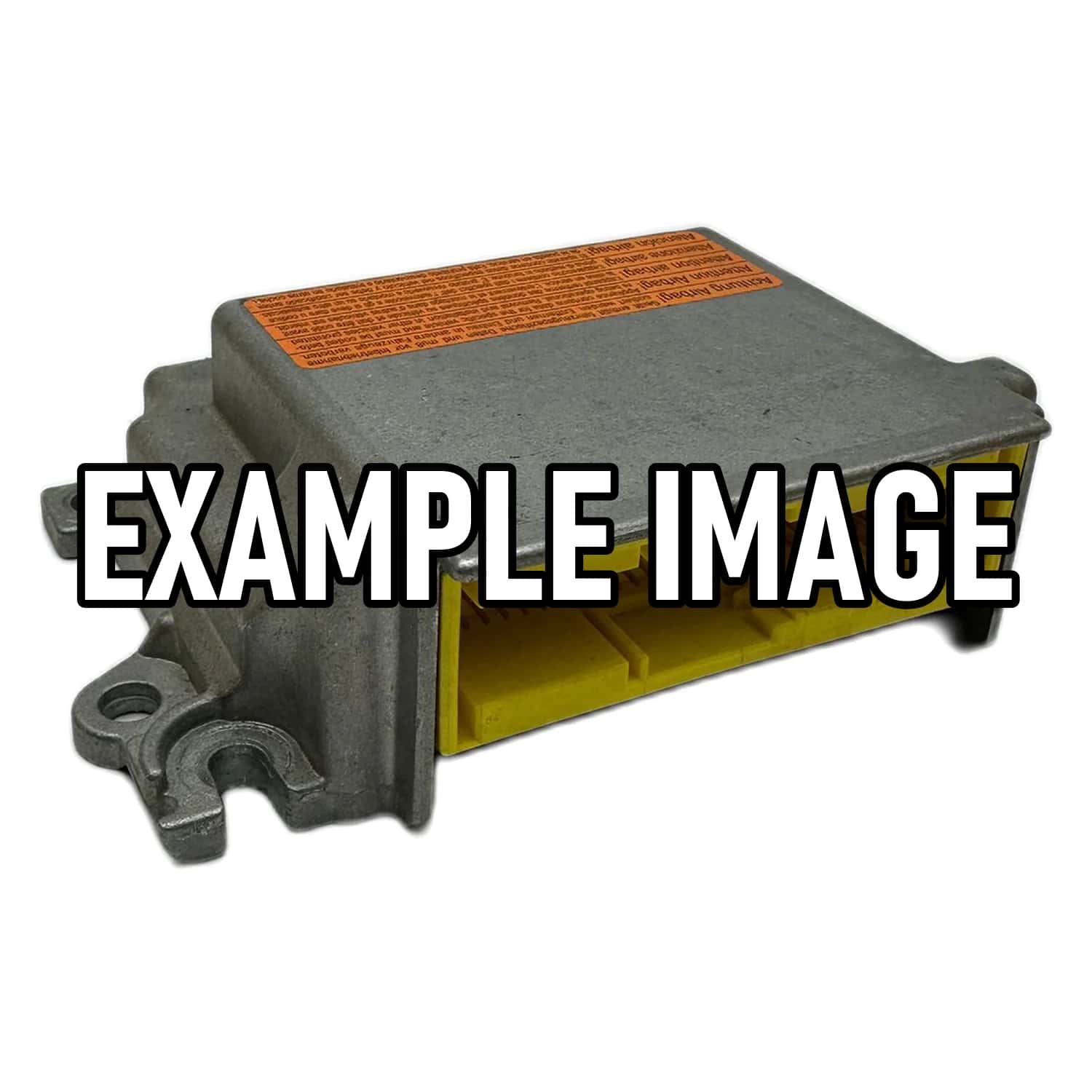
If your Subaru Leone is equipped with an airbag control unit—which, as mentioned above, is rare—it can usually be identified by its part number. This number is often found directly on the control unit or on an associated label.
The exact location of the airbag control unit can vary depending on the model year and any aftermarket features, but it is typically located inside the vehicle, often under the center console, dashboard, or a front seat. A query using the vehicle identification number (VIN) at Subaru can provide information about the original equipment in individual cases, but usually confirms the absence of an airbag system.
Due to the rarity of an original airbag control unit in the Subaru Leone, a thorough inspection of the part in question is crucial. Often, these could be very specific, country-specific equipment or aftermarket systems that require special attention during repair.
What airbag equipment does the Subaru Leone have?
Subaru Leone models, produced from 1971 to 1994, typically did not have airbags as standard or optional equipment. The focus during the development of the Leone was on reliability, robustness, and the innovative all-wheel drive system, which significantly increased driving safety in difficult conditions.
The Subaru Leone was offered as a sedan, coupe, and, especially, as a station wagon with selectable all-wheel drive (4WD). This groundbreaking all-wheel drive system, available from 1972, contributed significantly to its market success and was considered an advanced safety feature for the time, improving traction and driving stability.
During the Leone's production run, airbags were slowly gaining acceptance in the automotive industry, but primarily in higher-end vehicle classes or among manufacturers who invested early in this technology. Subaru only introduced airbags as standard or optional equipment in later models such as the Legacy and Impreza in the 1990s. Therefore, airbag control units in the Subaru Leone are a complete exception and should be carefully checked for their origin and specification during diagnostics.
If your Subaru Leone is still equipped with an airbag control unit, this indicates a very late model, a specific export model, or a professional retrofit. Repairing such units requires specialized knowledge of the older electronics and precise adaptation to the specific vehicle. Our service takes the specifics of these rare cases into account.
Common fault codes in this category
Shipping & repair from Germany
Airbag24 repairs your component in Berlin — usually within 3–4 working days.
Standard shipping within Germany is free; we normally return your part by UPS.
You pay for and insure the inbound shipment to us. On explicit request we ship by express — the extra cost is borne by the customer.
If you withdraw from the contract, you bear the cost of returning the item.