
Subaru Outback Airbag Control Unit Repair(6)
What should I consider with Subaru Outback airbag control units?
The airbag technology used in the Subaru Outback varies depending on the model year. Professional repair of control units in all Subaru Outback generations ensures true-to-original functionality and a 2-year warranty.
The Subaru Outback, originally conceived as a versatile crossover based on the Legacy, has continuously evolved since its introduction as a standalone model in 1999. With each generation, safety standards and the complexity of the airbag systems have increased.
The airbag control units are the heart of these passive safety systems and must be precisely tailored to the specific vehicle model and year. A defective unit compromises the entire protective function in the event of an accident, which is why professional repair is essential.
Subaru has traditionally placed great emphasis on safety, which is reflected in the comprehensive range of standard airbags. Modern control units not only manage airbag deployment but also monitor sensors such as the Occupant Detection System (ODS).
Which Subaru Outback generations are there?
The Subaru Outback has been produced in seven main generations, each with different airbag control units. The evolution of the safety system reflects technological advances from 1999 to 2025.
The Subaru Outback, a rugged mid-size crossover station wagon with permanent Symmetrical All-Wheel Drive, appeals to a diverse target audience. It is especially popular with families, outdoor enthusiasts, hunters, and farmers seeking a reliable and safe vehicle.
The individual generations of the Subaru Outback at a glance:
- Subaru Outback BG (approx. 1999 – 2003): This is the 2nd generation, which was still heavily based on the Legacy and marked the transition to a standalone crossover.
- Subaru Outback BH (approx. 2003 – 2009): The 3rd generation continued the path of the versatile station wagon with increased ground clearance.
- Subaru Outback BP/BS (approx. 2009 – 2014): Introduced as the 4th generation, there was a facelift at the end of 2012, which was reflected in the model code BS.
- Subaru Outback BR/BT (approx. 2014 – 2019): The 5th generation brought further refinements and a facelift, often associated with the BT code.
- Subaru Outback Sport (2000s variants): A slightly modified crossover version that met specific market requirements.
- Subaru Outback Wilderness (from approx. 2021): A newer, off-road-oriented trim level available from the 6th generation onwards, offering even greater off-road capability.
Each of these generations may have specific requirements for the repair of the airbag control unit due to different hardware and software versions.
How do I identify my Subaru Outback airbag control unit?
Subaru Outback airbag control units can be uniquely identified by part number, year of manufacture, and vehicle identification number. Each generation uses specific control unit variants for optimal compatibility.
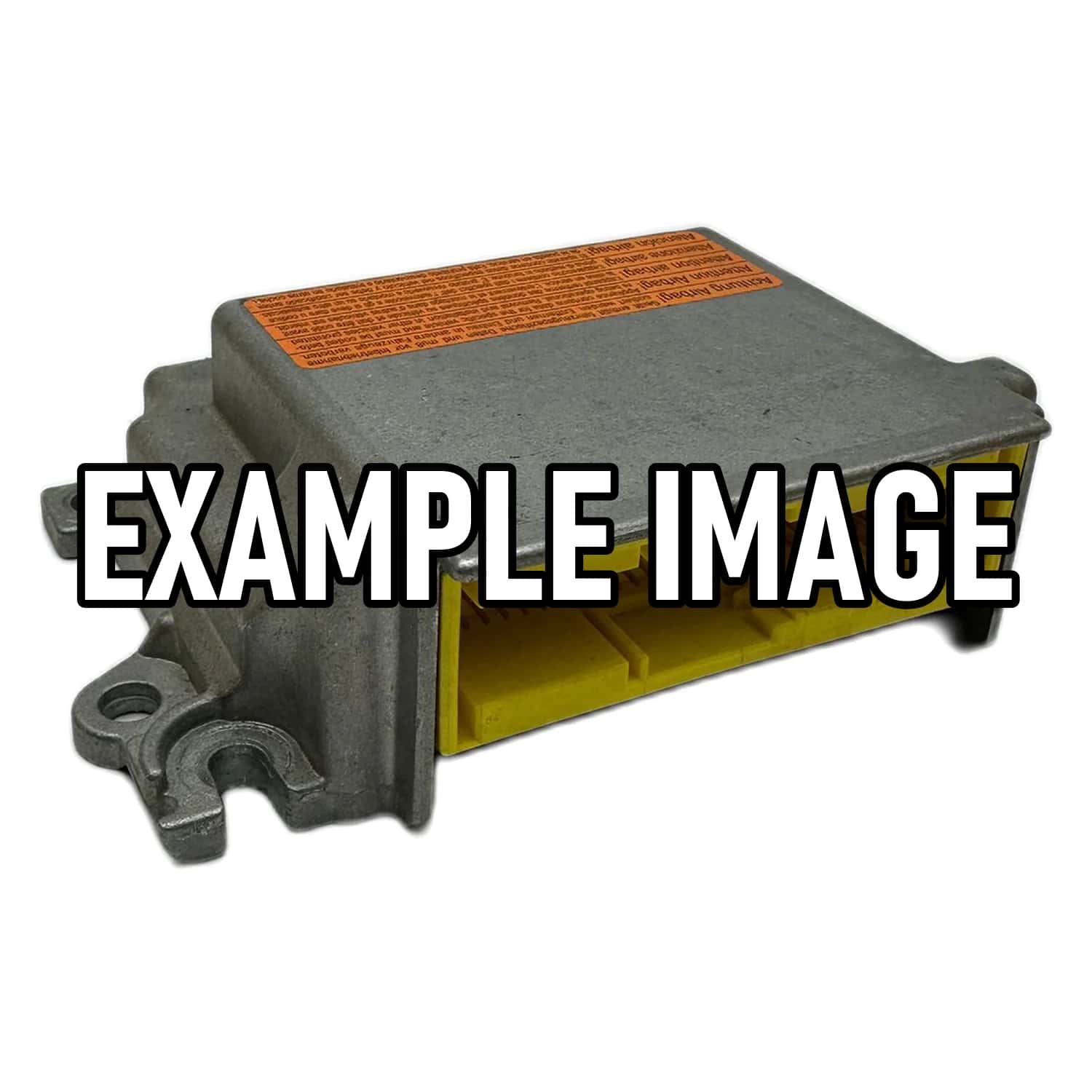
Precise identification of the installed airbag control unit is crucial for a successful repair or replacement. The control unit's part number is the primary identification and is usually found directly on the component.
Additionally, the exact year of your Subaru Outback and the full vehicle identification number (VIN) are important features. This information helps ensure the control unit's compatibility with your vehicle's specific wiring harness, sensors, and other electronic components.
Even within a single generation, there may be different control units depending on the trim level or country-specific version. Comparing this data before a repair prevents errors and ensures the full functionality of the safety system.
What airbag equipment does the Subaru Outback have?
The Subaru Outback's airbag configuration varies depending on the model year and trim level. While early models use basic airbag systems, newer generations feature enhanced safety packages with additional airbag modules.
Modern Subaru Outback models are equipped with a comprehensive passive safety system. These usually include dual-stage front airbags for the driver and front passenger as standard, which adjust their deployment based on the severity of the impact.
This is complemented by front side airbags integrated into the seats and side curtain airbags covering both rows of seats. Newer models, especially from the 5th and 6th generations onwards, also feature a driver's knee airbag for additional lower extremity protection.
The airbag control unit works closely with sensors such as the Occupant Detection System (ODS), which detects whether the front passenger seat is occupied. Specific recalls have been issued for newer models (2020–2022) due to issues with ODS sensors that could cause short circuits in wet conditions and prevent the front passenger airbag from deploying.
This comprehensive equipment underscores Subaru's commitment to occupant safety and the complexity of the associated airbag control units, which require precise diagnosis and repair to ensure the full functionality of the Supplemental Restraint System (SRS).
Shipping & repair from Germany
Airbag24 repairs your component in Berlin — usually within 3–4 working days.
Standard shipping within Germany is free; we normally return your part by UPS.
You pay for and insure the inbound shipment to us. On explicit request we ship by express — the extra cost is borne by the customer.
If you withdraw from the contract, you bear the cost of returning the item.