
Suzuki Carry airbag control unit repair(3)
What should I consider with Suzuki Carry airbag control units?
The airbag technology used in the Suzuki Carry varies depending on the year and specific model, such as the Suzuki Carry DA63T or the newer DA16T. Airbag control units are key safety components and, if defective, must be professionally repaired to restore original functionality.
The Suzuki Carry, an icon among kei trucks and light commercial vehicles, has been in production since 1961. Over eleven generations, the vehicle has been continuously developed, with safety systems, including airbag technology, constantly being improved.
Of particular note is the popular Suzuki Carry DA63T generation, which was in production from 2002 until well beyond 2013. These models are known for their robustness, but even in these models, the airbag control units can fail over time due to accidents, water damage, or age-related defects. Repairing them ensures that the vehicle meets safety standards for years to come.
With each generation of the Suzuki Carry, including the more modern DA16T models, the airbag systems have become more complex and extensive. This means that repairing this highly sensitive electronics requires specialized expertise and precise diagnostic tools to ensure proper function.
Which Suzuki Carry generations are there?
The Suzuki Carry has been produced in a total of eleven generations, each with a different airbag control unit. The development of the safety system reflects technological advances from 1961 to the present day and adapts to the respective safety requirements.
The first generation of the Suzuki Carry was introduced in 1961 and laid the foundation for an impressive success story. Since then, the compact commercial vehicle has been continuously developed through innovation, with the introduction of airbags representing a significant milestone in passive safety.
The Suzuki Carry DA63T series, produced from 2002 to approximately 2013, falls into the eighth to tenth generation range. During this long production run, the DA63T underwent several facelifts and technical updates, which also led to adjustments to the installed airbag control units.
Newer generations of the Suzuki Carry, such as the DA16T, represent the latest development lines. These models benefit from modern manufacturing processes and integrate more complex safety systems that may go beyond front airbags and thus require more specific control units.
Each generation of the Suzuki Carry reflects the evolution of automotive design, from basic vans to models with enhanced comfort and more comprehensive safety features. This diversity makes precise identification of the respective airbag control unit essential.
How do I identify my Suzuki Carry airbag control unit?
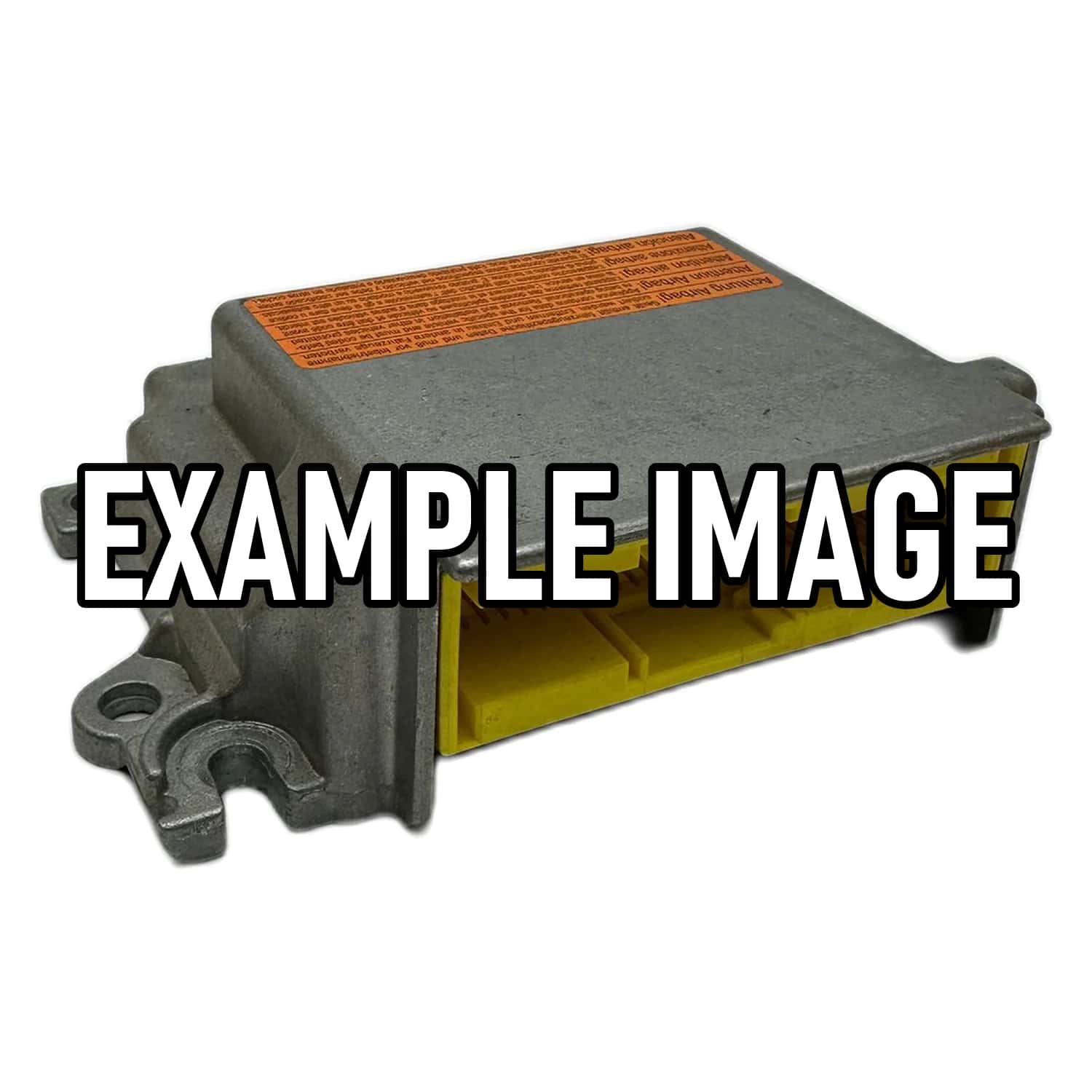
Suzuki Carry airbag control units can be uniquely identified by the part number, the exact year of manufacture, and, if necessary, the vehicle identification number (VIN). Each generation, and often each facelift, uses specific control unit variants that are essential for optimal compatibility and functionality.
The part number is the most important indicator for correctly identifying the airbag control unit. It is usually located on a sticker directly on the control unit itself, which is usually located under the center console or in the passenger footwell.
For models like the Suzuki Carry DA63T or the DA16T, different control units may be used within a model series, depending on the trim level or market regulations. Therefore, the vehicle's year of manufacture is another important piece of information for finding the right replacement or repair part.
The vehicle identification number (VIN) can provide additional information, especially if there is uncertainty regarding the exact model or installed equipment. It allows for precise assignment of the vehicle and its components to the respective production period.
What airbag equipment does the Suzuki Carry have?
The Suzuki Carry's airbag equipment varies considerably depending on the model year and trim level, reflecting its evolution from a simple commercial vehicle to a more modern van. While early models often only had basic or optional airbag systems, newer generations offer enhanced safety packages with additional airbag modules.
In earlier generations of the Suzuki Carry, especially in many Suzuki Carry Truck models such as the DA63T from the early 2000s, a driver airbag was often optional or only available in certain markets and trim levels. A passenger airbag was even rarer or not included at all.
As time progressed and safety standards became more stringent, especially from the 2000s onward, the driver's airbag became increasingly standard in Suzuki Carry models. Newer models, such as the Suzuki Carry DA16T or later DA63T variants from around 2010 onward, increasingly offer options for dual airbags (driver and passenger), as well as other safety features such as ABS and seatbelt pretensioners.
The Suzuki Carry has always been valued for its practicality, economy, and maneuverability, especially among small business owners, tradespeople, farmers, and delivery services. The safety features have been adapted over time to meet growing demands and protect the occupants, without neglecting its core characteristics as a kei truck.
Shipping & repair from Germany
Airbag24 repairs your component in Berlin — usually within 3–4 working days.
Standard shipping within Germany is free; we normally return your part by UPS.
You pay for and insure the inbound shipment to us. On explicit request we ship by express — the extra cost is borne by the customer.
If you withdraw from the contract, you bear the cost of returning the item.