
BMW 7 Series Airbag Control Unit Repair(12)
What should be considered with BMW 7 Series airbag control units?
The airbag technology used in the BMW 7 Series varies depending on the model year and model series. Airbag control units in all BMW 7 Series generations can be professionally repaired to restore the safety system's original functionality.
The BMW 7 Series, BMW's luxury sedan since 1977, has undergone remarkable development in safety technology over its generations. From early models like the E23, where airbags were still in their infancy, to the state-of-the-art G70, the airbag control unit is the central monitoring and activation unit for all passive safety systems.
Over the years, airbag systems have become increasingly complex, from simple driver and passenger airbags to comprehensive multi-airbag systems including side, curtain, and knee airbags. A defective or disabled airbag control unit after an accident requires professional repair, including erasing crash data and troubleshooting. This ensures that the system functions properly again when needed, ensuring occupant safety.
Which BMW 7 Series generations are there?
The BMW 7 Series has been produced in seven generations, each with its own airbag control unit variants. The development of the safety systems reflects the enormous technological progress from 1977 to the present day.
The first generation, the BMW E23 (1977–1986), laid the foundation for the luxury sedan, although airbag systems were not yet standard.
The BMW E32 (1986–1994) increasingly introduced airbags, but not yet as standard equipment. This was the beginning of the integration of advanced safety technologies.
With the BMW E38 (1994–2001), driver and passenger airbags became standard, while side and head airbags were available as options and later increasingly became standard equipment.
The fourth generation, the BMW E65/E66 (2001–2008), set new standards in technology and comfort, with enhanced airbag systems such as side and head airbags as standard. The control units became more complex and interconnected.
The BMW F01/F02 (2008–2015) introduced multi-stage airbags and a variety of active safety and driver assistance systems. The airbag control units in these models are already highly integrated.
The sixth generation, BMW G11/G12 (2015–2022), comes with a full range of airbags as standard, including head airbags, and is closely integrated with the latest active safety systems and driver assistance functions.
The latest generation, the BMW G70 (from 2022), continues this development and offers full equipment with airbags and the most advanced safety systems, including integration into electric drive concepts such as the BMW i7.
How do I identify my BMW 7 Series airbag control unit?
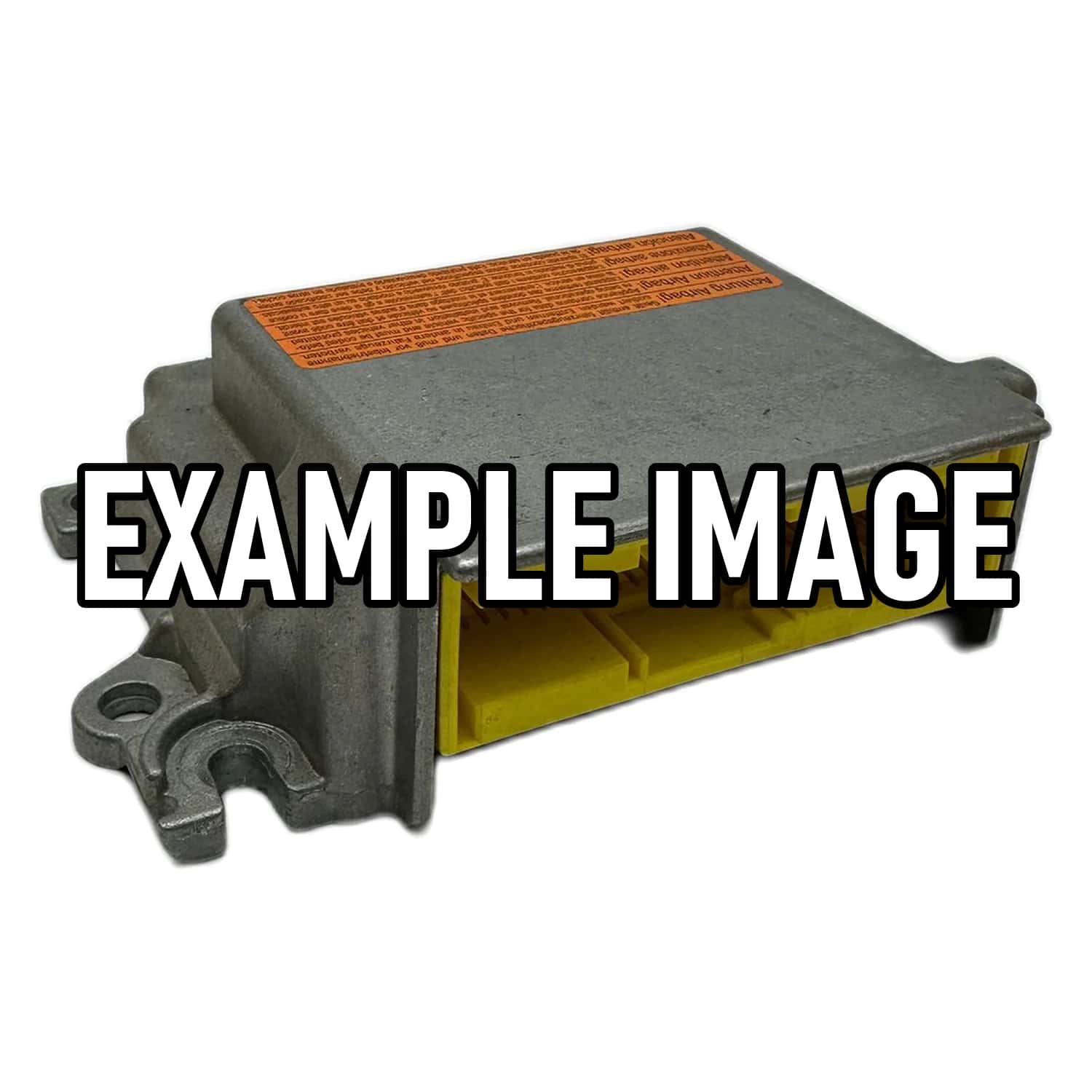
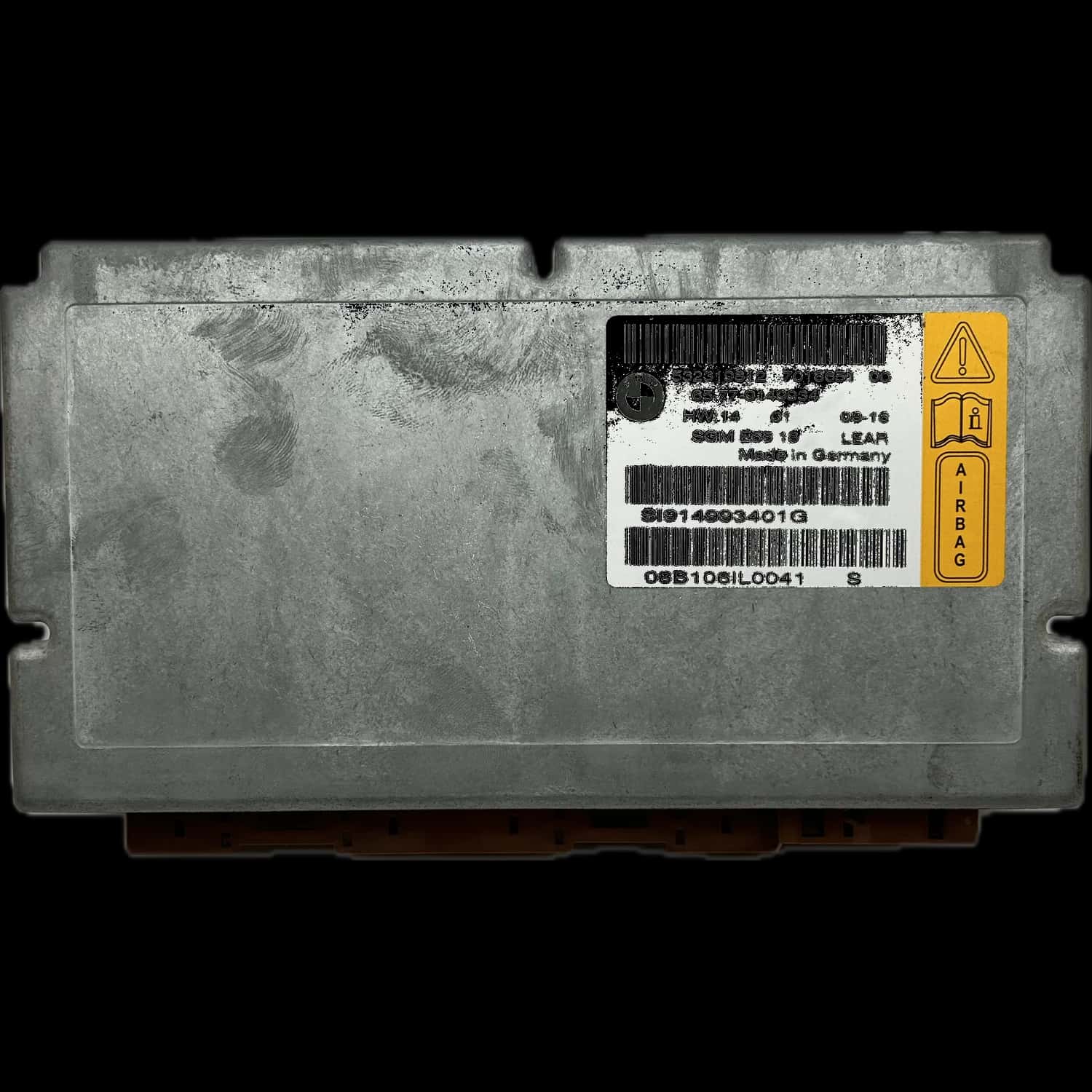
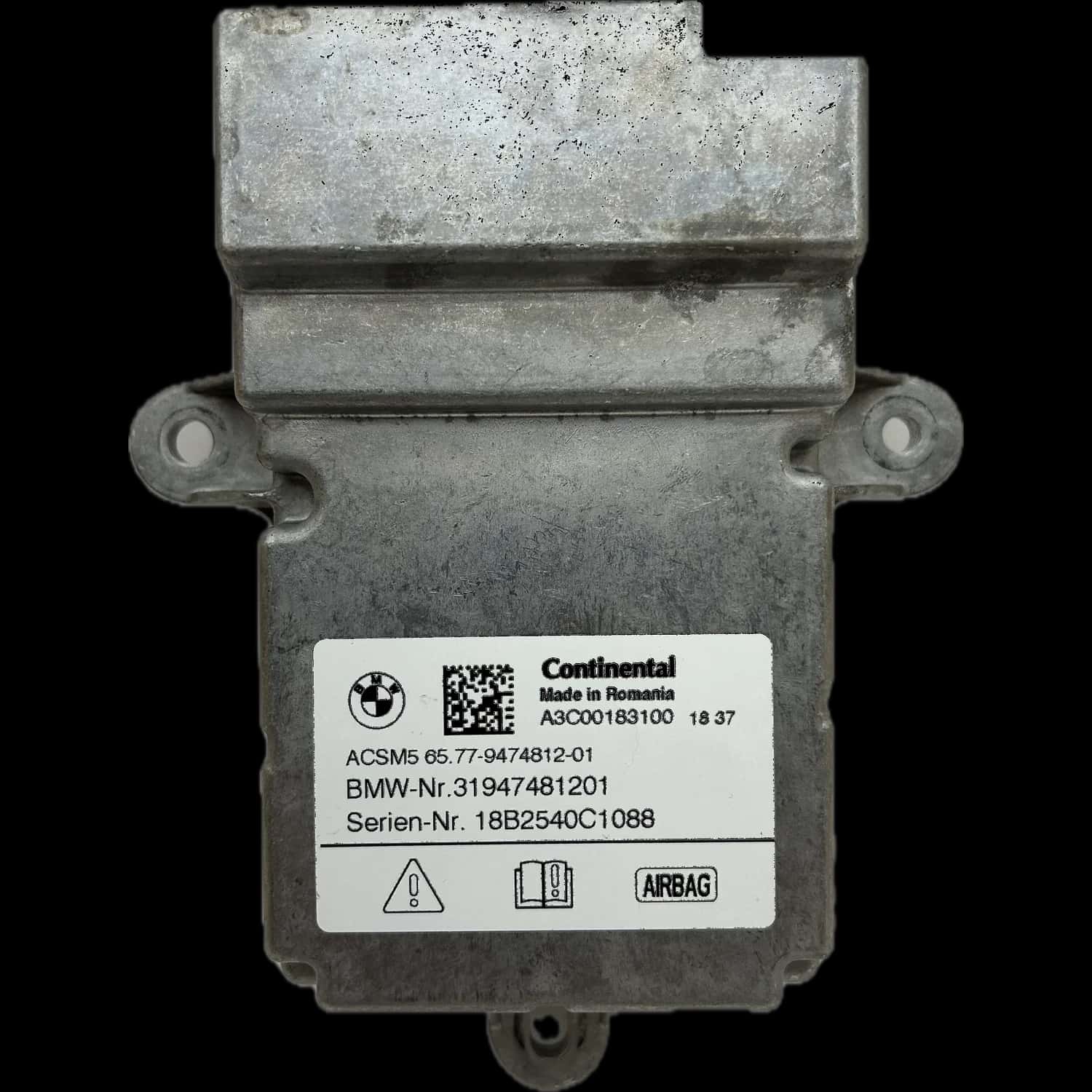
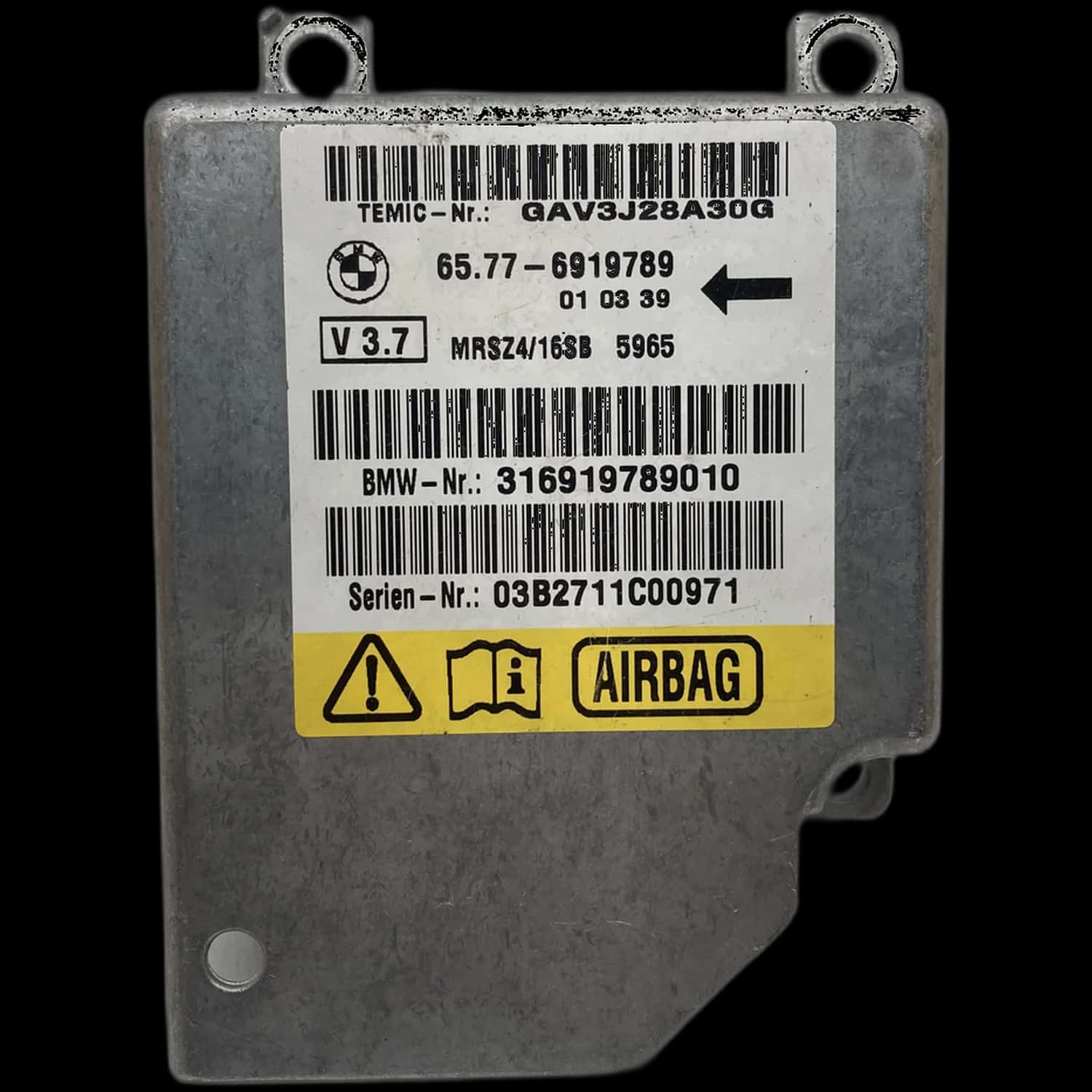
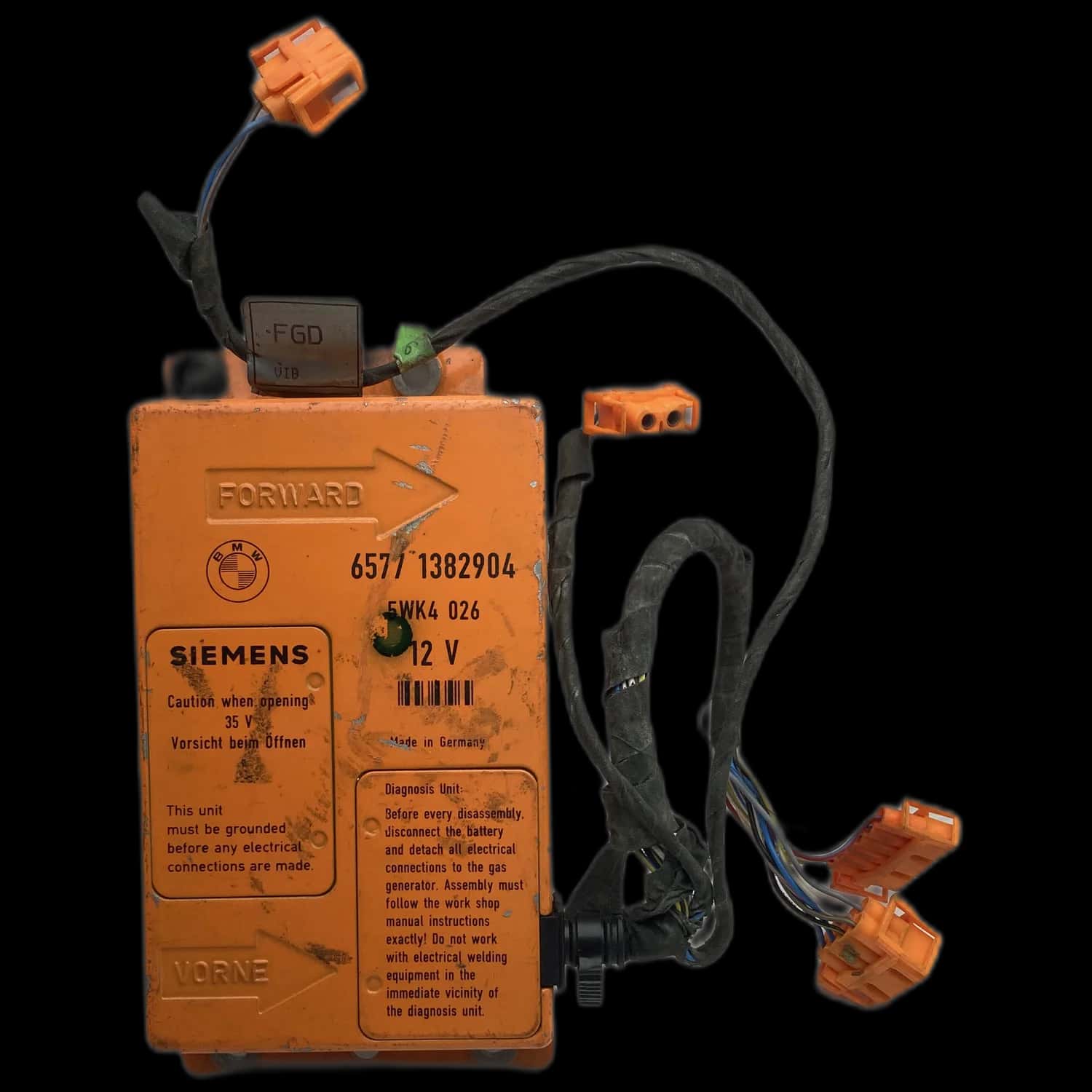
BMW 7 Series airbag control units can be reliably identified by part number, specific model year, and vehicle identification number (VIN). Each generation and even specific trim levels use specific control unit types to ensure optimal compatibility and functionality.
Precise identification of the airbag control unit is crucial for a successful repair. The control unit's part number is usually printed directly on the component and provides information about the model, year of manufacture, and specific configuration. Manufacturer part numbers, such as Bosch or Continental, can often also be found, providing additional identification features.
For repairs, it is also important to know the exact vehicle identification number (VIN) and the year of manufacture of the BMW 7 Series, as this information helps ensure the correct software version and correct calibration of the control unit. Especially in transitional models or after facelifts, the control units used can differ subtly, making precise identification essential.
What airbag equipment does the BMW 7 Series have?
The airbag equipment of the BMW 7 Series varies considerably depending on the production period and the respective generation. While early models offered basic airbag systems as an option, newer generations feature comprehensive, standard safety packages with a variety of airbag modules and integrated safety systems.
In the first generations, the E23 (1977–1986) and E32 (1986–1994), airbags were still an optional extra and were usually limited to driver and passenger airbags. Airbag technology was still in its early stages of development.
With the E38 (1994–2001), driver and passenger airbags became standard, representing a significant step forward. Side airbags for the front occupants and, in some cases, head airbags (ITS – Inflatable Tubular Structure) were optionally available, significantly improving occupant protection.
The E65/E66 (2001–2008) generation introduced comprehensive airbag systems, including front side airbags and front and rear curtain airbags as standard. Additional safety features and greater integration with other vehicle systems characterized this era.
Starting with the F01/F02 (2008–2015) generation, multi-stage airbag systems became standard, allowing the deployment force to be adjusted depending on the severity of the impact. Extensive active safety and driver assistance systems were already closely linked to the airbag control unit.
The current generations, the G11/G12 (2015–2022) and the G70 (from 2022), offer a complete airbag suite covering all relevant areas of the interior, including head, side, and knee airbags. These systems are deeply integrated into modern vehicle management and work seamlessly with adaptive chassis systems, emergency braking, and other driver assistance features to maximize occupant protection.
Shipping & repair from Germany
Airbag24 repairs your component in Berlin — usually within 3–4 working days.
Standard shipping within Germany is free; we normally return your part by UPS.
You pay for and insure the inbound shipment to us. On explicit request we ship by express — the extra cost is borne by the customer.
If you withdraw from the contract, you bear the cost of returning the item.