

Hyundai Starex airbag control unit repair(2)
2 products
What should I pay attention to with Hyundai Starex airbag control units?
The airbag technology used in the Hyundai Starex varies considerably depending on the year and model series. Professional repair of defective Hyundai Starex airbag control units is essential to restore the safety system's original functionality.
The Hyundai Starex was produced in various generations over a long period of time, starting with the first generation A1 from 1997 to 2007. The second generation TQ, also known as Grand Starex, launched in late 2007 and continued until the introduction of its successor Staria.
This long production history is reflected in the evolution of airbag systems. While early models may have featured simpler airbag configurations, the systems have become increasingly complex over the years to meet increasing safety requirements.
Which Hyundai Starex generations are there?
The Hyundai Starex has been produced in two main generations, each using specific airbag control units and components. The evolution of the safety systems reflects the vehicle's technological progress from 1997 to the present.
The first generation, internally known as the Hyundai Starex A1, was manufactured from 1997 to 2007. During this period, there were at least two facelifts, which also included adjustments to the installed electronics and safety features.
The second generation, the Hyundai Starex TQ, often known as the Grand Starex, launched in late 2007. This generation received a comprehensive facelift in 2018/2019, which included not only visual changes but also updates to the vehicle's electronics and safety systems.
Specific airbag control units were developed for each of these generations and their respective facelifts. A professional "Hyundai Starex airbag control unit repair" must take these generation-specific differences into account to ensure full functionality.
How do I identify my Hyundai Starex airbag control unit?
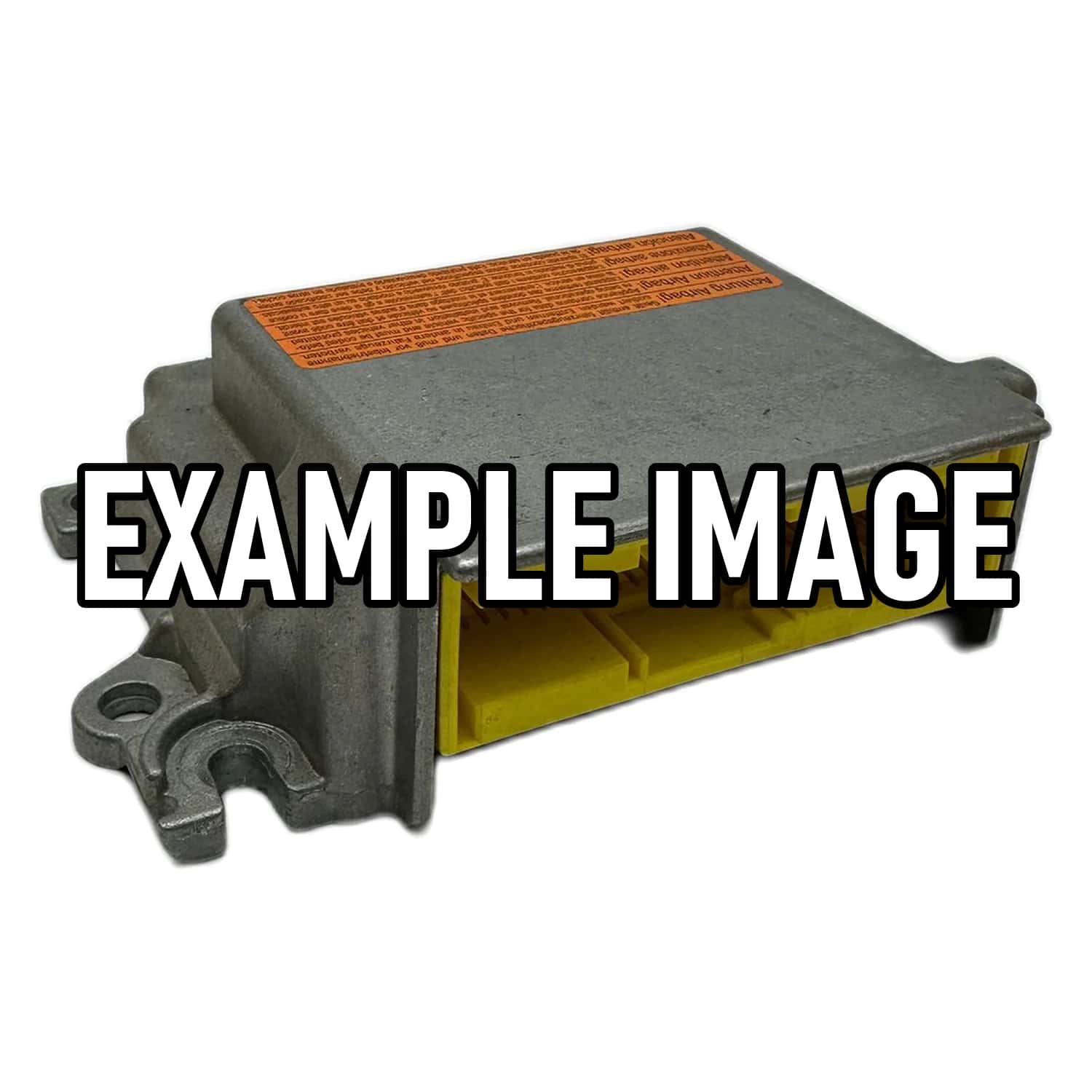
Hyundai Starex airbag control units can usually be reliably identified by their unique part number, the vehicle's year of manufacture, and often also the vehicle identification number (VIN). Each generation of the Starex uses specific control unit variants optimized for the respective equipment and model.
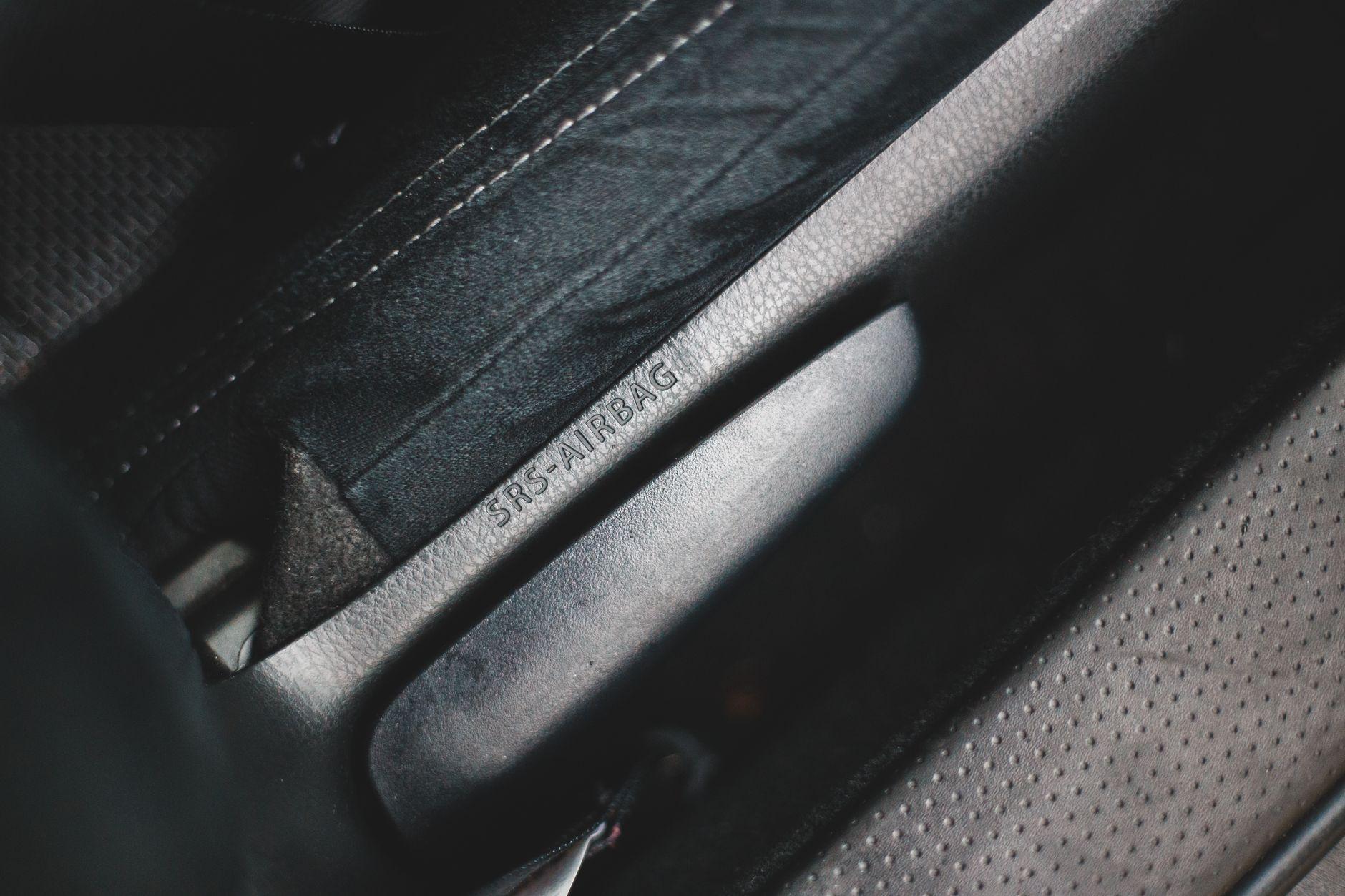
The airbag control unit is a central component of the passive safety system and is usually installed under the center console or dashboard. If it malfunctions, an error message often appears on the instrument panel, indicating problems with the airbag system.
For a precise "Hyundai Starex airbag control unit repair," correct identification of the control unit is essential. The unit's part number provides information about compatibility and the specific software version required for the respective vehicle model.
What airbag equipment does the Hyundai Starex have?
The airbag configuration of the Hyundai Starex varied over the years of production and depending on the model's trim level. While early first-generation models may have used basic airbag systems, newer generations often feature enhanced safety packages with additional airbag modules.
For the first generation of the Hyundai Starex A1, detailed information on standard airbag equipment is less documented. However, especially from the mid-2000s onward, airbags were increasingly available as an option or included as standard in higher trim levels.
In the second-generation Hyundai Grand Starex (TQ), driver and passenger airbags were often available as options, but not always standard in all markets. These airbags are typically integrated into the steering wheel for the driver and the dashboard on the passenger side.
Knowledge of the specific airbag configuration for each model year is crucial for precise diagnosis and "Hyundai Starex airbag control unit repair" in the event of a defect. The Starex's versatility as a van or family MPV is also reflected in its adaptive safety features.
Shipping & repair from Germany
Airbag24 repairs your component in Berlin — usually within 3–4 working days.
Standard shipping within Germany is free; we normally return your part by UPS.
You pay for and insure the inbound shipment to us. On explicit request we ship by express — the extra cost is borne by the customer.
If you withdraw from the contract, you bear the cost of returning the item.