airbag control unit repair Kia K3 BD
from€79.00
 Quality since 2002
The airbag technology used in the Kia K3 varies depending on the model year and market. Repairing these control units requires specialized expertise to ensure original functionality and restore the vehicle's safety.
The Kia K3 is a versatile model that was sold in various regions and under various names, such as the Kia Forte or Cerato. The first generation, known as the Kia K3 (YD) or Forte, was produced from 2012 to around 2017 on the YD platform and was primarily positioned in the compact segment.
Later models, also launched under the Kia K3 name—especially from 2023/2024 onward—position themselves more in the small car segment. This trend is also reflected in the installed airbag systems, which have become more complex and comprehensive with each model update and generation.
The airbag control units are central components of the vehicle's safety system. They are responsible for monitoring the crash sensors, deploying the airbags in an emergency, and storing relevant data after an accident. A defect can endanger the vehicle's occupants and should be repaired immediately.
The Kia K3 has been produced in several significant generations and model variants, with each generation using different airbag control units. The development of the safety system reflects technological advances from 2012 to the present.
The first generation, and one that is very relevant for the repair of airbag control units, is the Kia K3 (YD), which was manufactured from 2012 to 2017. This model established the K3 in the C-segment and offered a solid basic range of safety features.
The designation 'kia-k3-bd' could refer to a facelift or a closely related variant of the first generation, which was considered a separate model update series in certain markets and also used specific airbag control units. These variants are of great importance for repair service compatibility.
The latest iteration of the Kia K3, launched in 2023/2024, represents a completely new generation in the small car segment. This model features the latest safety technologies and a correspondingly modified airbag control unit integrated into its modern electronic architecture.
The continuous development of the platforms, from the YD platform to the latest architectures, has had a direct impact on the complexity and specifications of the airbag control units. Each generation brought improvements in sensor technology, deployment logic, and connectivity with other vehicle systems.
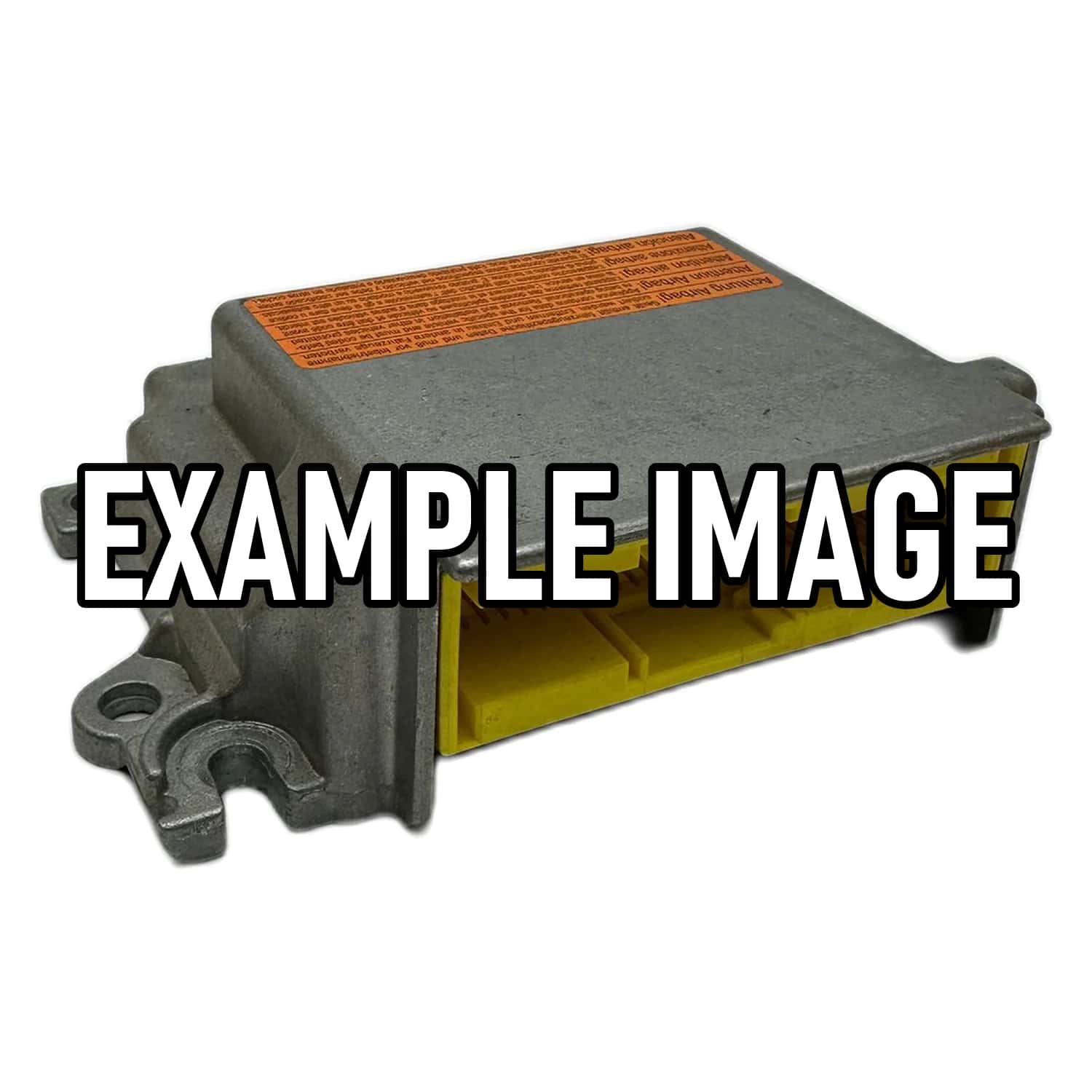
Kia K3 airbag control units can be clearly identified by their unique part number, vehicle year, and vehicle identification number (VIN). Each generation and model variant uses specific control unit variants that are essential for proper function and compatibility.
The airbag control unit's part number is the primary identification. It's usually printed directly on the module's housing and can consist of a combination of letters and numbers. For models like the 'kia-k3-yd' or 'kia-k3-bd', it's crucial to read this number correctly, as even small deviations can lead to compatibility issues.
In addition to the part number, the vehicle's year of manufacture provides important information. Production changes or facelifts can result in adjustments to the control units, even if the base model remains the same. The vehicle identification number (VIN) is also a helpful tool for determining the exact airbag control unit installed using manufacturer databases.
Correct identification is the first step to a successful repair. Different airbag control units can use different software versions, hardware components, and communication protocols, which require specific processing. This ensures that all safety functions, such as airbag deployment and crash data erasure, function properly after the repair.
The airbag configuration of the Kia K3 varies depending on the model year, trim level, and the specific market for which the vehicle was produced. While early models use basic airbag systems, newer generations feature enhanced safety packages with additional airbag modules and intelligent deployment mechanisms.
The first-generation Kia K3 (YD) typically featured basic safety features. Front airbags for the driver and front passenger were usually standard. In higher trim levels or for specific markets, side airbags for the front occupants and head airbags (curtain airbags) were often added to increase protection in side collisions or rollovers.
These models were also equipped with anti-lock braking systems (ABS) and possibly electronic stability control (ESC), suggesting an integrated safety system in which the airbag control unit communicates with other driving aids.
The newer Kia K3 models, launched from 2023/2024, offer even more comprehensive safety features. In addition to the standard front, side, and curtain airbags, these vehicles can feature additional airbags, such as a driver knee airbag. They are also integrated with advanced advanced driver assistance systems (ADAS), which further increase data transmission and the complexity of the airbag control units.
Regardless of the specific trim level, the functionality of the airbag control unit is crucial. It not only controls the deployment of the airbags, but also continuously monitors the status of the entire safety system and stores error codes if problems arise. A professional repair ensures that all installed airbag modules function correctly in an emergency.
Airbag24 repairs your component in Berlin — usually within 3–4 working days.
Standard shipping within Germany is free; we normally return your part by UPS.
You pay for and insure the inbound shipment to us. On explicit request we ship by express — the extra cost is borne by the customer.
If you withdraw from the contract, you bear the cost of returning the item.