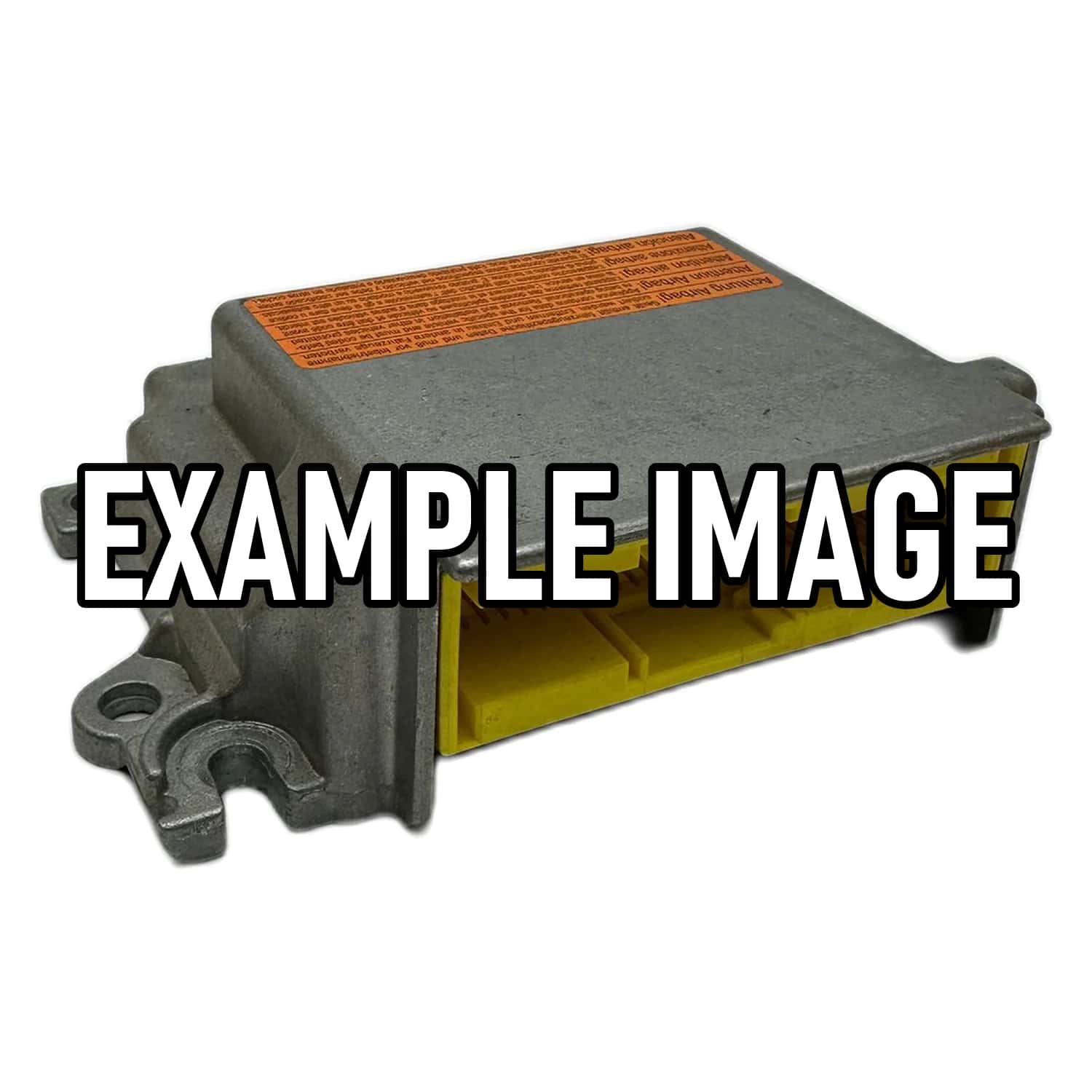
airbag control unit repair Kia K5 DL3
from€79.00
 Quality since 2002
The airbag technology used in the Kia K5 varies depending on the model year. A professional repair of airbag control units for all Kia K5 generations restores original functionality and contributes to safety.
The Kia K5, originally known as the Kia Optima, has evolved over several generations. Each model series brought technological innovations, including the complex airbag control units.
From the early third-generation (TF) models to the current fifth generation (DL3), the airbag system has been continuously improved to meet increasing safety requirements. This requires specific expertise and detailed knowledge of the respective control units when repairing them.
The Kia K5 has been produced in five generations, each with a different airbag control unit. The development of the safety system reflects technological advances from 2010 to the present.
The Kia K5 began its success story as the third generation (TF) around 2010 and was produced until 2015. These models featured basic but effective airbag systems that met the safety standards for their time.
The fourth generation, known as the Kia K5 JF, was launched in 2015 and was built until 2019. Here, the airbag systems were already more complex, often with additional sensors and more finely tuned trigger mechanisms.
The fifth and current generation, the Kia K5 DL3, has been in production since 2019. These models feature sophisticated airbag control units that are seamlessly integrated with modern advanced driver assistance systems (ADAS), providing the highest level of occupant protection.
When repairing Kia K5 airbag control units, precise knowledge of the respective generation (TF, JF, DL3) and the year of manufacture is crucial, as the installed components and software of the control units differ considerably.
Kia K5 airbag control units can be uniquely identified by part number, year of manufacture, and vehicle identification number. Each generation uses specific control unit variants for optimal compatibility and professional repair.
The part number of the airbag control unit is the most important identifier. It is usually located directly on the module housing, which, depending on the Kia K5 model and year, is located in different locations in the vehicle, often under the center console or driver's seat.
The year of manufacture of your Kia K5 and the full vehicle identification number (VIN) are also essential. This data allows us to determine the exact configuration of the airbag system and ensure that the correct control unit is used for repair or replacement.
Often, defective control units can be clearly identified using these characteristics, even if the unit itself is no longer functioning properly. Correct identification is the first step toward a successful airbag control unit repair.
The airbag configuration of the Kia K5 varies depending on the model year and trim level. While early models used basic airbag systems, newer generations feature enhanced safety packages with additional airbag modules and intelligent assistance systems.
As a sporty mid-size sedan, the Kia K5 has always placed great emphasis on safety. Even in the third generation (TF), front airbags for the driver and front passenger, as well as side airbags, were standard equipment, complemented by curtain airbags for additional protection.
With the fourth generation (JF), the systems were further refined to ensure even more precise activation and more comprehensive protection. Modern sensors and improved crash detection were integrated.
The current fifth generation (DL3) sets standards in passive safety. Multiple airbags—including front, side, and curtain airbags—are fitted as standard. The airbag control unit works closely with advanced driver assistance systems (ADAS), such as autonomous emergency braking and lane departure warning, designed to prevent or mitigate accidents.
Regardless of the specific configuration, the airbag control unit is a key component for the safety of the Kia K5. A repair ensures that this vital system functions reliably in an emergency.
Airbag24 repairs your component in Berlin — usually within 3–4 working days.
Standard shipping within Germany is free; we normally return your part by UPS.
You pay for and insure the inbound shipment to us. On explicit request we ship by express — the extra cost is borne by the customer.
If you withdraw from the contract, you bear the cost of returning the item.